Navigating New 2026 Crypto Regulations: U.S. Investor Compliance Guide

Anúncios
Navigating New 2026 Crypto Regulations: U.S. Investor Compliance Guide
The cryptocurrency market, a realm of rapid innovation and significant financial opportunity, is perpetually evolving. As digital assets gain mainstream adoption, governments worldwide are intensifying their efforts to establish clear regulatory frameworks. In the United States, 2026 is poised to be a landmark year for crypto regulations, with a suite of new policies expected to come into full effect. For investors, understanding these impending changes is not merely advisable; it is critical for ensuring compliance, mitigating risks, and safeguarding investments. This comprehensive guide will delve into the anticipated crypto regulations in the U.S., offering insights into what investors need to know to navigate this new regulatory landscape successfully.
Anúncios
The push for clearer crypto regulations stems from several factors, including concerns over consumer protection, financial stability, illicit activities, and the desire to foster responsible innovation. While the exact contours of all regulations are still taking shape, a general direction has emerged, pointing towards increased oversight, stricter reporting requirements, and clearer definitions for various digital assets. This article aims to demystify these complex legal shifts, providing actionable information for both seasoned crypto enthusiasts and newcomers alike.
The Evolving Landscape of U.S. Crypto Regulations
For years, the U.S. approach to cryptocurrency regulation has been characterized by a patchwork of state and federal rules, often leading to ambiguity and uncertainty. Various agencies, including the Securities and Exchange Commission (SEC), the Commodity Futures Trading Commission (CFTC), the Financial Crimes Enforcement Network (FinCEN), and the Internal Revenue Service (IRS), have asserted jurisdiction over different aspects of the crypto market. The anticipated crypto regulations are expected to bring a more cohesive and comprehensive framework, aiming to provide clarity and reduce regulatory arbitrage.
One of the primary drivers behind the new regulations is the need to address the inherent risks associated with digital assets. These include market volatility, cybersecurity threats, potential for fraud, and the use of cryptocurrencies in money laundering and terrorist financing. The 2026 framework is likely to build upon existing legislation and executive orders, translating broad policy goals into concrete rules that directly impact investors.
Key Areas of Focus for 2026 Crypto Regulations
Several critical areas are expected to see significant regulatory enhancements by 2026. These include:
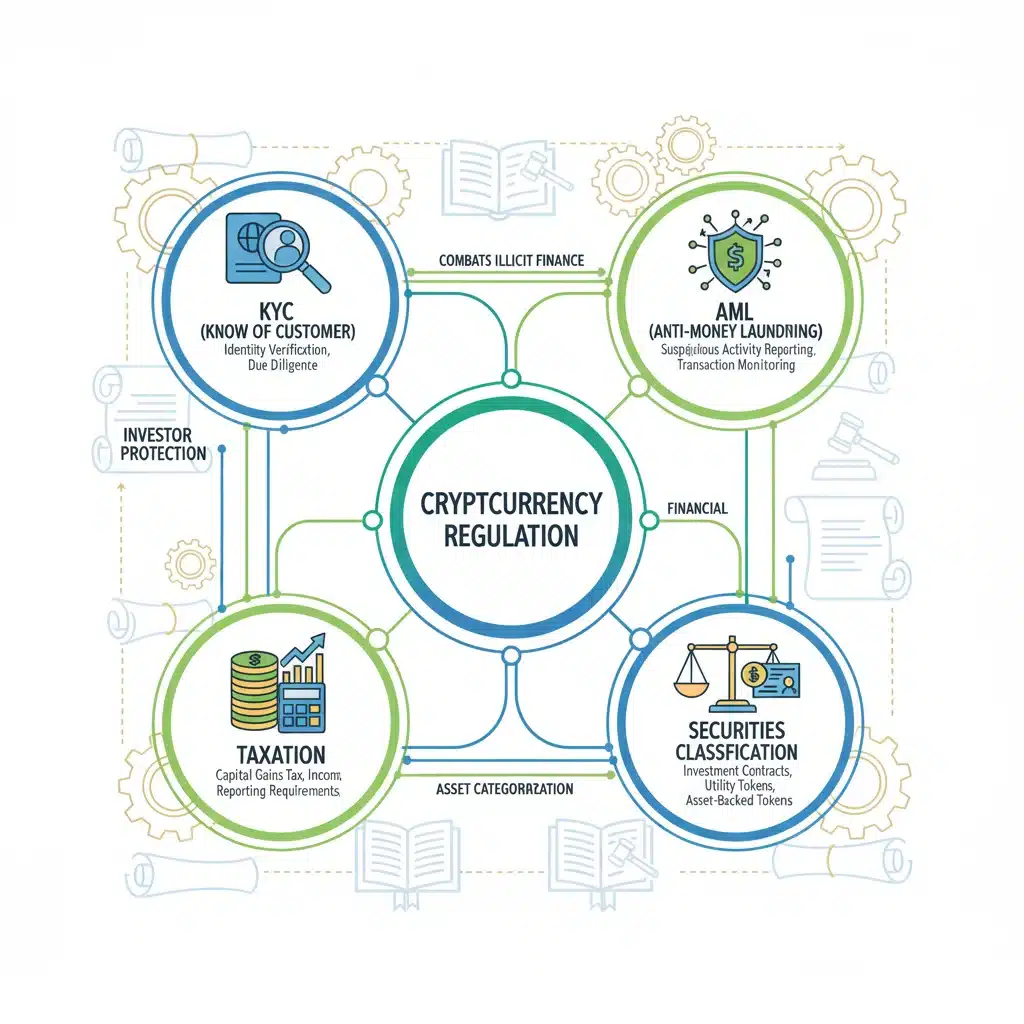
- Asset Classification: A clearer distinction between securities, commodities, and other forms of digital assets is anticipated. This classification will have profound implications for how different cryptocurrencies are regulated, dictating which agencies have oversight and what rules apply to their issuance, trading, and custody.
- Consumer Protection: Enhanced measures to protect retail investors from scams, market manipulation, and misleading information are high on the agenda. This could involve stricter disclosure requirements for crypto projects and platforms.
- Market Integrity: Regulations aimed at preventing market manipulation, ensuring fair trading practices, and promoting transparency in crypto exchanges are expected.
- Anti-Money Laundering (AML) and Know Your Customer (KYC): Stricter AML/KYC requirements for crypto businesses and potentially for individual transactions are likely to be enforced, aligning the crypto sector more closely with traditional financial services.
- Taxation: The IRS is continuously refining its guidance on crypto taxation. The 2026 regulations could solidify reporting requirements for various crypto activities, including staking, mining, and DeFi transactions.
- Stablecoins: Given their growing importance, stablecoins are expected to face specific regulations concerning their reserves, auditing, and operational transparency to ensure their stability and prevent systemic risks.
Understanding these areas is paramount for any investor seeking to stay compliant with crypto regulations. The shift will demand greater diligence and potentially new operational procedures for those actively involved in the digital asset space.
Impact on Investors: What You Need to Know
The new crypto regulations will undoubtedly have a multifaceted impact on investors. While some changes might seem daunting, they are ultimately aimed at creating a more secure, transparent, and mature market. Here’s a breakdown of key considerations for investors:
1. Enhanced Due Diligence and Research
With clearer asset classifications, investors will need to conduct even more thorough due diligence on the projects and tokens they invest in. Understanding whether a token is classified as a security or a commodity will dictate the regulatory framework it operates under and, consequently, the risks and opportunities associated with it. Projects that fail to comply with these classifications may face enforcement actions, potentially impacting their value.
2. Stricter KYC/AML on Exchanges and Platforms
Expect a more rigorous application of KYC (Know Your Customer) and AML (Anti-Money Laundering) procedures across all regulated crypto exchanges and financial institutions dealing with digital assets. This means providing more personal information and undergoing more extensive verification processes when opening accounts or conducting significant transactions. For investors, this translates to less anonymity but greater security against illicit activities.
3. Comprehensive Tax Reporting Requirements
The IRS has been increasingly focused on cryptocurrency taxation, and the 2026 regulations are expected to solidify and potentially expand reporting obligations. Investors will need to accurately track all their crypto transactions, including purchases, sales, swaps, airdrops, and staking rewards, to report capital gains and income. Tools and services designed to help with crypto tax reporting will become even more essential. Failure to comply can result in significant penalties.
4. Understanding "Travel Rule" Implications
The "Travel Rule," which requires financial institutions to share specific information about senders and receivers of funds, is already being applied to crypto firms. By 2026, its enforcement could become more widespread and stringent, particularly for transactions exceeding certain thresholds. This might affect how quickly and anonymously investors can transfer assets between different platforms or to self-custodied wallets.
5. Decentralized Finance (DeFi) Under Scrutiny
DeFi, known for its permissionless and often anonymous nature, presents unique challenges for regulators. While direct regulation of individual DeFi protocols is complex, the U.S. government is likely to focus on the "on-ramps" and "off-ramps" to DeFi, such as centralized exchanges and stablecoin issuers that facilitate access to DeFi. Investors participating in DeFi should be aware that their interactions with regulated entities could subject their DeFi activities to greater scrutiny. Furthermore, some DeFi protocols might be deemed to fall under existing securities or commodities laws, leading to potential enforcement actions against their developers or users.
6. Custody and Security of Digital Assets
New regulations may also address the custody of digital assets, particularly for institutional investors. While individual investors often manage their own private keys, regulations might encourage or even mandate certain security standards for custodians and platforms holding assets on behalf of others. This could lead to improved security practices across the industry, but also potentially higher fees for custodial services.
7. Potential for New Investment Products
While increased regulation might seem restrictive, it can also pave the way for new, regulated investment products. Clearer rules around asset classification and consumer protection could encourage traditional financial institutions to offer more crypto-related products, such as spot Bitcoin ETFs (which have recently been approved but could see further expansion to other assets), mutual funds, and other structured products, thus broadening access to the asset class for a wider range of investors.
Preparing for 2026 Crypto Regulations: Actionable Steps
Given the anticipated changes, proactive preparation is key. Here are actionable steps investors can take to ensure they are well-positioned for the crypto regulations:
1. Stay Informed and Educated
The regulatory landscape is dynamic. Continuously monitor official announcements from regulatory bodies like the SEC, CFTC, FinCEN, and IRS. Follow reputable crypto news outlets and legal experts who specialize in digital assets. Subscribe to newsletters and participate in webinars to stay abreast of the latest developments. Ignorance of the law is not a defense, especially when dealing with financial regulations.
2. Organize Your Transaction Records
This cannot be stressed enough. Start (or continue) meticulously documenting every single cryptocurrency transaction. This includes dates, times, amounts, prices, purpose of transaction, and the parties involved. Use dedicated crypto tax software or maintain detailed spreadsheets. This will be invaluable for tax reporting and any potential inquiries from regulatory bodies.
3. Understand Your Assets’ Classification
Research the nature of the cryptocurrencies you hold. Is it likely to be classified as a security, a commodity, or something else under the new framework? This understanding will help you anticipate how specific regulations might apply to your holdings and guide future investment decisions. For example, tokens classified as securities might face stricter trading rules or require specific disclosures.
4. Choose Regulated Platforms Wisely
Prioritize using reputable, well-established cryptocurrency exchanges and platforms that already adhere to existing regulatory standards and are likely to adapt quickly to new ones. These platforms often have robust KYC/AML procedures and are better equipped to handle reporting requirements. While decentralized exchanges (DEXs) offer benefits, understand the potential regulatory risks associated with them, especially regarding jurisdiction and compliance.
5. Consult with Professionals
For complex portfolios or significant investments, consider consulting with a financial advisor who specializes in digital assets or a tax professional familiar with cryptocurrency taxation. A legal expert in blockchain and crypto law can provide tailored advice on compliance and risk management. Their expertise can help you navigate the intricacies of crypto regulations and ensure your strategies are sound.
6. Re-evaluate Your Risk Tolerance
New regulations can introduce new layers of risk, particularly compliance risk. Re-evaluate your personal risk tolerance in light of the evolving regulatory environment. Some investors might choose to reduce exposure to assets or activities that are likely to face heavy scrutiny or have uncertain regulatory standing.
7. Advocate for Sensible Regulation
While individual investors may feel powerless, collectively, their voices matter. Engage with advocacy groups and industry associations that are working to shape reasonable and innovation-friendly crypto regulations. Understanding the legislative process and contacting your representatives can contribute to a more balanced regulatory outcome.
Potential Challenges and Opportunities
The implementation of new crypto regulations in the U.S. will undoubtedly present both challenges and opportunities for investors.
Challenges:
- Increased Compliance Burden: The need for more detailed record-keeping, stricter KYC, and complex tax reporting can be burdensome, especially for retail investors.
- Reduced Anonymity: For those who value the privacy aspects of cryptocurrency, increased regulatory oversight may be seen as a drawback.
- Market Volatility: Initial reactions to new regulations, or uncertainty during their implementation, could lead to periods of increased market volatility.
- "Regulatory Chill": Overly restrictive regulations could stifle innovation or drive crypto businesses and talent offshore, potentially limiting investment opportunities in the U.S.
- Enforcement Risks: Investors who fail to comply, even inadvertently, could face fines, penalties, or legal action.
Opportunities:
- Greater Market Legitimacy: A clear regulatory framework can bring greater legitimacy and stability to the crypto market, attracting more institutional investors and mainstream adoption.
- Enhanced Investor Protection: Regulations aimed at preventing fraud and market manipulation can create a safer environment for investors, reducing the risk of scams and illicit activities.
- Innovation within Bounds: While some fear over-regulation, a well-crafted framework can provide clarity that encourages responsible innovation within defined legal boundaries.
- New Financial Products: As mentioned, regulation can pave the way for new, regulated crypto investment products, offering more diverse ways for investors to gain exposure to digital assets.
- Reduced Systemic Risk: By addressing financial stability concerns, regulations can help integrate crypto into the broader financial system more smoothly, reducing potential systemic risks.

The Global Context: U.S. Regulations and International Standards
It’s also important for U.S. investors to consider how domestic crypto regulations fit into the global landscape. Many other jurisdictions, including the European Union, the UK, and various Asian countries, are also developing their own comprehensive crypto frameworks. The U.S. will likely aim for some level of interoperability with international standards, particularly those set by bodies like the Financial Action Task Force (FATF) for AML/CTF. However, differences in approaches will inevitably exist, creating complexities for investors and businesses operating across borders. For U.S. investors with international crypto holdings or who engage with foreign platforms, understanding these jurisdictional nuances will be crucial to avoid cross-border compliance issues. This global perspective is vital because cryptocurrency is inherently borderless, and an investor’s activities in one jurisdiction may have implications in another.
Conclusion: Navigating the Future of Crypto Investment
The upcoming crypto regulations in the U.S. represent a significant turning point for the digital asset industry. While the specifics are still being finalized, the overarching trend is towards greater oversight, transparency, and investor protection. For investors, this means a shift from a relatively unregulated frontier to a more structured and mature financial market. Embracing these changes with a proactive and informed approach will be essential for success. By staying educated, meticulously organizing records, understanding asset classifications, choosing regulated platforms, and seeking professional advice, investors can not only ensure compliance but also capitalize on the opportunities that a more regulated and legitimate crypto market can offer. The future of crypto investment in the U.S. is one of responsible growth, and those who adapt best to the new regulatory environment will be best positioned to thrive.