
Navigating the Latest 2026 Employer Benefit Mandates: What US Businesses Need to Know by January 1st
As the calendar pages turn, businesses across the United States are bracing for significant changes in employer benefit mandates. The year 2026 is poised to introduce a new wave of regulations that demand careful attention and proactive planning. For HR departments, legal teams, and business leaders, understanding these upcoming 2026 employer mandates is not just about compliance; it’s about safeguarding your organization, fostering employee well-being, and maintaining a competitive edge in the talent market. The looming deadline of January 1st, 2026, makes timely preparation paramount. This comprehensive guide will delve into the intricacies of these new requirements, offering actionable insights and strategic advice to ensure your business is not only compliant but thrives under the evolving regulatory landscape.
Anúncios
The Shifting Landscape of Employer Benefits: Why 2026 is Critical
The regulatory environment for employer benefits is perpetually in flux, driven by societal needs, economic shifts, and political priorities. The 2026 employer mandates represent a culmination of these factors, reflecting a national push towards greater employee protection, enhanced health equity, and more comprehensive support systems. For US businesses, this means moving beyond a reactive approach to compliance and adopting a forward-thinking strategy that anticipates and integrates these changes seamlessly. Failure to do so can result in hefty fines, reputational damage, and a decline in employee morale. The significance of these mandates cannot be overstated; they will fundamentally alter how businesses structure their benefit offerings, manage their workforce, and allocate resources. From expanding access to healthcare to redefining paid leave policies, the impact will be felt across all sectors and sizes of organizations.
Key Legislative Drivers Behind the 2026 Employer Mandates
Understanding the impetus behind the 2026 employer mandates is crucial for effective compliance. Several legislative and societal trends are converging to shape these new regulations. These include ongoing efforts to refine the Affordable Care Act (ACA), increasing state-level initiatives for paid family and medical leave, and a growing emphasis on mental health parity and wellness programs. Furthermore, the post-pandemic landscape has underscored the importance of robust employee support, leading to calls for more flexible and inclusive benefit structures. Federal agencies, in conjunction with state legislatures, are working to standardize certain aspects of benefits while also allowing for regional variations. Businesses must therefore monitor both national pronouncements and local legislative developments to ensure a holistic understanding of their obligations. Staying informed about these legislative drivers will empower businesses to not only meet the minimum requirements but also to proactively design benefit packages that align with evolving employee expectations and societal values.
Deep Dive into the Core 2026 Employer Mandates
While the specifics of all 2026 employer mandates are still being finalized and communicated, several key areas have emerged as central to the upcoming changes. Businesses should focus their preparatory efforts on these critical components to ensure a smooth transition and full compliance by the January 1st deadline.
Expanded Healthcare Coverage and Affordability Requirements
One of the most significant areas of change revolves around healthcare. The 2026 employer mandates are expected to introduce new thresholds or refinements to existing ACA provisions, potentially expanding the definition of full-time employees or adjusting affordability standards. This could mean more businesses are required to offer health insurance, or existing offerings may need to be enhanced to meet stricter criteria. Employers will need to re-evaluate their current health plans, premium contributions, and eligibility rules. It’s imperative to consult with legal counsel and benefit brokers to assess the impact of these changes on your specific organization. Furthermore, there might be new reporting requirements related to healthcare coverage, demanding updated data collection and submission protocols. Businesses should begin auditing their current healthcare provisions against anticipated 2026 standards, identifying any gaps or areas needing adjustment. This proactive review will allow ample time for plan modifications and employee communication.
Mandatory Paid Family and Medical Leave (PFML) Expansion
The trend towards mandatory paid family and medical leave continues to gain momentum, and the 2026 employer mandates are likely to include federal or broader state-level requirements in this domain. While some states already have robust PFML programs, 2026 could see a more widespread implementation, impacting businesses in regions previously exempt. This will necessitate a review of existing leave policies, payroll systems, and employee handbooks. Employers will need to understand eligibility criteria, duration of leave, benefit calculations, and funding mechanisms (e.g., employer contributions, employee deductions, state-run funds). The complexities of integrating new PFML mandates with existing FMLA, short-term disability, and other leave policies will require careful planning to avoid confusion and ensure seamless administration. Businesses should consider establishing dedicated teams or resources to manage these new leave requirements, including developing clear communication strategies for employees regarding their rights and responsibilities. The financial implications of expanded PFML, including potential payroll tax adjustments or direct employer contributions, also need to be thoroughly analyzed and budgeted for.
Enhanced Mental Health and Wellness Program Integration
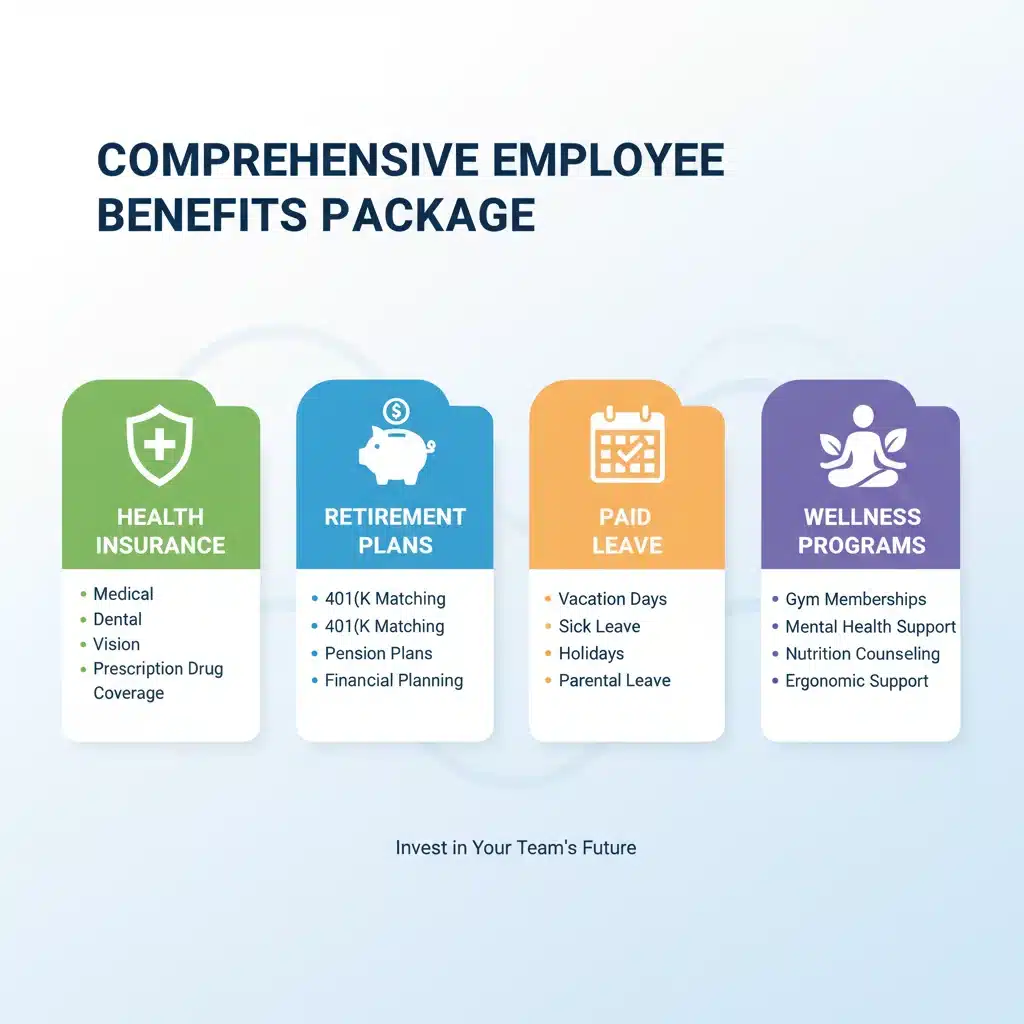
The importance of mental health has never been more recognized, and the 2026 employer mandates are expected to solidify requirements for mental health parity and the integration of comprehensive wellness programs. This might involve mandating coverage for a broader range of mental health services, ensuring equitable access to care compared to physical health, and potentially requiring employers to offer or promote specific wellness initiatives. Businesses will need to review their health plans to ensure full compliance with mental health parity laws and explore opportunities to enhance their employee assistance programs (EAPs) and other mental health support systems. Beyond mere compliance, investing in mental health and wellness can significantly boost employee productivity, reduce absenteeism, and foster a more positive work environment. Employers should consider conducting employee surveys to understand current mental health needs and preferences, using this data to tailor programs that genuinely resonate with their workforce. Collaboration with mental health professionals and organizations can also provide valuable insights and resources for developing effective strategies.
Wage and Hour Adjustments, Including Minimum Wage and Overtime
While often handled separately from benefits, wage and hour laws frequently undergo adjustments, and the 2026 employer mandates could encompass new federal or state-level minimum wage increases or changes to overtime exemption rules. Businesses must stay vigilant regarding these potential updates, as they directly impact payroll costs and budgeting. Reclassifying employees or adjusting compensation structures may be necessary to remain compliant. It’s also an opportune time to review employee classification (exempt vs. non-exempt) to ensure accuracy under the Fair Labor Standards Act (FLSA) and any state-specific regulations. Non-compliance in wage and hour can lead to significant back pay liabilities and legal challenges. Regularly auditing payroll practices and consulting with employment law experts will be critical to navigating these potential changes. Furthermore, transparent communication with employees about any wage adjustments is vital for maintaining trust and morale.
Strategic Preparation for the 2026 Employer Mandates
Given the complexity and potential impact of the 2026 employer mandates, a strategic and phased approach to preparation is essential. Waiting until the last minute is not an option for businesses aiming for seamless compliance and minimal disruption.
Step 1: Conduct a Comprehensive Benefits Audit
The first and most crucial step is to conduct a thorough audit of your current employee benefits package and related policies. This involves reviewing every aspect of your offerings, from health insurance plans and retirement accounts to paid time off and wellness programs. Compare your existing provisions against the anticipated 2026 employer mandates. Identify any areas of non-compliance, potential gaps, or opportunities for improvement. Engage with your HR team, legal counsel, and benefit brokers to gain a complete picture. This audit should also include an assessment of your administrative processes for benefits, ensuring they are robust enough to handle new reporting requirements or eligibility criteria. Documenting your current state will serve as a baseline for all subsequent planning and adjustments.
Step 2: Develop a Cross-Functional Compliance Team
Compliance with the 2026 employer mandates is not solely an HR responsibility. It requires a collaborative effort across multiple departments. Establish a cross-functional compliance team comprising representatives from HR, legal, finance, payroll, and potentially IT. This team will be responsible for tracking regulatory updates, interpreting new mandates, assessing their impact, and developing an implementation plan. Regular meetings and clear communication channels within this team are vital to ensure everyone is aligned and informed. Assign specific responsibilities to team members based on their expertise, for example, finance for budget implications, IT for system updates, and legal for regulatory interpretation. A unified approach will streamline the compliance process and minimize potential errors.
Step 3: Budgeting and Financial Planning
Many of the 2026 employer mandates will have direct financial implications, whether through increased premium contributions, expanded leave benefits, or administrative costs. Proactive budgeting and financial planning are therefore critical. Your finance department should work closely with the compliance team to estimate the potential costs associated with each new mandate. This might involve modeling different scenarios, adjusting forecasts, and allocating necessary funds. Consider the long-term financial impact, not just the initial implementation costs. Explore options for optimizing benefit spending without compromising employee satisfaction or compliance. This could include re-evaluating vendors, exploring self-funded options (where applicable), or adjusting other discretionary spending. Transparent financial planning will prevent unexpected budget shortfalls and ensure sustainable compliance.
Step 4: Update Policies, Procedures, and Employee Handbooks
Once the impact of the 2026 employer mandates is understood, all relevant company policies, procedures, and employee handbooks must be updated. This includes refining eligibility criteria, modifying leave policies, adjusting benefit descriptions, and incorporating any new reporting requirements. Ensure that all updates are clearly articulated, legally sound, and easily accessible to employees. It’s advisable to have legal counsel review all revised documents to ensure full compliance and mitigate legal risks. Beyond formal documentation, consider how these changes will be integrated into daily operations. Will new forms be needed? Will existing HRIS systems require configuration? Proactive updating of these foundational documents is crucial for both legal compliance and clear internal communication.

Step 5: Employee Communication and Education
Effective employee communication is paramount to a successful transition. Employees need to understand how the 2026 employer mandates will affect their benefits, rights, and responsibilities. Develop a comprehensive communication plan that includes various channels, such as all-staff emails, intranet updates, informational sessions, and updated benefit guides. Be prepared to answer questions and address concerns. Clear, concise, and empathetic communication can alleviate anxiety and foster trust. Highlight the positive aspects of the changes, such as enhanced support or expanded access to care. Providing employees with the necessary information and resources will empower them to make informed decisions and appreciate the company’s efforts in supporting their well-being. Consider creating a dedicated FAQ section or a point of contact for employee inquiries.
Step 6: Leverage Technology and HRIS Systems
Modern Human Resources Information Systems (HRIS) and payroll software can be invaluable assets in managing the complexities introduced by the 2026 employer mandates. Assess whether your current systems are capable of handling new data points, reporting requirements, or benefit administration processes. You may need to update software, configure new modules, or even invest in new technology solutions. Automation can significantly reduce administrative burdens and minimize errors, especially when dealing with expanded leave tracking, eligibility determinations, or payroll adjustments. Work with your IT department and HRIS vendors to ensure your systems are ready for the January 1st, 2026 deadline. Training for HR and payroll staff on any new system functionalities will also be crucial for smooth operation.
Beyond Compliance: Leveraging Mandates for Competitive Advantage
While the primary focus of addressing the 2026 employer mandates is compliance, smart businesses can view these changes as an opportunity to enhance their employer brand and gain a competitive edge. By going beyond the bare minimum and thoughtfully integrating these new requirements, companies can attract and retain top talent.
Enhancing Employee Value Proposition
The 2026 employer mandates often aim to improve employee well-being and security. By not just complying, but actively promoting and articulating the value of these enhanced benefits, businesses can significantly boost their employee value proposition. Highlighting comprehensive health coverage, robust paid leave options, and strong mental health support can make your organization a more attractive place to work. This is particularly true in a competitive job market where candidates increasingly prioritize benefits that support their overall quality of life. Position these changes as an investment in your people, rather than just a regulatory burden. This narrative shift can transform a compliance exercise into a powerful recruitment and retention tool.
Fostering a Culture of Care and Support
Implementing the 2026 employer mandates can be an opportunity to reinforce a company culture that genuinely cares for its employees. When employees feel supported through comprehensive benefits, they are more likely to be engaged, loyal, and productive. Proactive communication and seamless administration of new benefits demonstrate a commitment to employee welfare. This culture of care can lead to higher employee satisfaction, reduced turnover, and a more positive work environment. Consider how these mandates align with your company’s core values and communicate this alignment to your workforce. A supportive culture, bolstered by strong benefits, often translates into a stronger, more resilient organization.
Risk Mitigation and Long-Term Stability
Proactive compliance with the 2026 employer mandates is ultimately a form of risk mitigation. By addressing these changes well in advance, businesses can avoid potential penalties, legal challenges, and reputational damage associated with non-compliance. Beyond avoiding negative consequences, strategic compliance contributes to long-term organizational stability. A workforce that feels secure and supported is less likely to experience high turnover, leading to continuity and reduced recruitment costs. Furthermore, staying ahead of regulatory changes demonstrates strong governance and responsible business practices, which can be attractive to investors and stakeholders. Viewing compliance as an integral part of long-term business strategy ensures sustained success.
Conclusion: Embracing the Future of Employer Benefits
The arrival of the 2026 employer mandates presents both challenges and opportunities for US businesses. While the intricacies of new healthcare requirements, expanded paid leave, and enhanced mental health provisions demand diligent attention and strategic planning, they also offer a chance to elevate your organization’s commitment to its most valuable asset: its people. By conducting thorough audits, assembling dedicated compliance teams, planning financially, updating policies, and communicating effectively, businesses can navigate this evolving landscape with confidence. Remember, the deadline of January 1st, 2026, is not just a date; it’s a call to action. Proactive preparation ensures not only compliance but also positions your company as a forward-thinking employer dedicated to the well-being and success of its workforce. Embrace these changes not as burdens, but as catalysts for building a stronger, more resilient, and more attractive organization for the future.