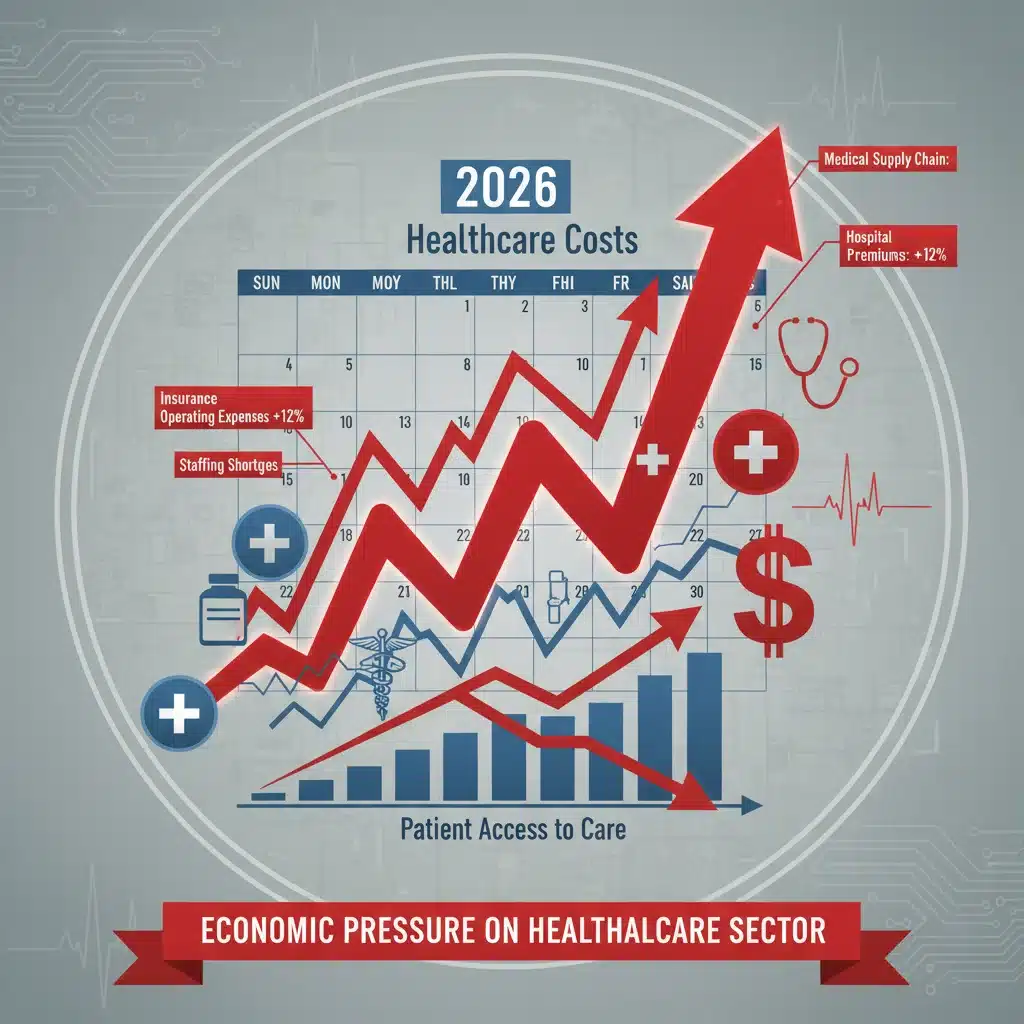
Economic Forecast: How Projected 2.5% Inflation Rate Will Reshape Healthcare Spending in 2026
The economic landscape is constantly shifting, and few sectors feel its tremors as profoundly as healthcare. As we look ahead to 2026, a projected 2.5% inflation rate looms large, promising to significantly reshape healthcare spending across the United States and globally. This seemingly modest figure carries substantial weight, influencing everything from hospital operational costs and pharmaceutical prices to insurance premiums and patient out-of-pocket expenses. Understanding the nuances of this healthcare inflation forecast is not merely an academic exercise; it’s a critical imperative for policymakers, healthcare providers, payers, and, most importantly, patients.
Anúncios
Inflation, in its simplest form, represents the rate at which the general level of prices for goods and services is rising, and subsequently, purchasing power is falling. While a 2.5% general inflation rate might seem manageable, its application within the uniquely complex healthcare system can have disproportionately larger effects. Healthcare costs already operate at a premium due to factors like technological advancements, an aging population, chronic disease prevalence, and administrative complexities. Layering a 2.5% inflationary pressure on top of this existing structure means that the actual increase in healthcare-specific costs could be much higher, creating a ripple effect that touches every corner of the industry.
Understanding the Core Drivers of Healthcare Inflation
Before diving into the specific impacts of the 2.5% healthcare inflation forecast for 2026, it’s crucial to understand the foundational elements that contribute to healthcare’s inherently high rate of price growth. Unlike other sectors, healthcare demand is often inelastic, meaning people will seek care regardless of price, especially in emergencies. This dynamic, coupled with several other factors, fuels persistent cost escalation.
Technological Advancements and Innovation
One of the primary drivers of rising healthcare costs is the continuous march of technological innovation. New diagnostic tools, advanced surgical procedures, robotic assistance, and groundbreaking pharmaceutical treatments often come with hefty price tags. While these innovations improve patient outcomes and quality of life, their development and adoption contribute significantly to overall spending. The 2.5% inflation rate will amplify the cost of research and development, manufacturing, and distribution of these cutting-edge technologies, making them even more expensive for providers and, consequently, for patients.
Aging Population and Chronic Diseases
The demographic shift towards an older population, particularly in developed nations, places immense pressure on healthcare systems. Older adults typically require more frequent and complex medical care, often managing multiple chronic conditions. The prevalence of chronic diseases such as diabetes, heart disease, and cancer necessitates long-term care, specialized treatments, and ongoing medication. As the population ages and chronic diseases become more widespread, the demand for healthcare services will continue to grow, pushing prices upward, a trend that will be exacerbated by the projected healthcare inflation forecast.
Labor Costs and Workforce Shortages
Healthcare is a labor-intensive industry. The salaries and benefits for doctors, nurses, specialists, and support staff constitute a significant portion of operational expenses. Persistent workforce shortages, particularly in specialized fields, drive up wages as institutions compete for talent. This scarcity, combined with the general inflationary environment, means that labor costs are expected to climb, directly impacting hospital budgets and, ultimately, the cost of care. The 2.5% general inflation rate will translate into higher demands for wage increases across the healthcare workforce, further straining financial resources.
Pharmaceutical Costs
The cost of prescription drugs, especially new specialty medications, remains a contentious and rapidly growing component of healthcare spending. Research and development costs, patent protections, and complex supply chains all contribute to high drug prices. A 2.5% inflation rate will add another layer of cost to pharmaceutical production and distribution, potentially leading to higher prices at the pharmacy counter and increased burdens for insurance plans and government programs.
Administrative Overhead and Regulatory Compliance
The U.S. healthcare system is renowned for its administrative complexity. Billing, coding, claims processing, and compliance with numerous regulations consume a substantial amount of resources. These administrative burdens contribute to the overall cost of care without directly impacting patient outcomes. As economic pressures increase, the cost of maintaining these administrative functions will also rise, further complicating efforts to control spending.
Impact on Healthcare Providers in 2026
Healthcare providers – hospitals, clinics, physician practices, and long-term care facilities – will be on the front lines of managing the effects of the 2.5% healthcare inflation forecast. Their operational models, staffing decisions, and investment strategies will need significant adjustments.
Rising Operational Expenses
Hospitals and other facilities will face increased costs for nearly every aspect of their operations. This includes medical supplies, equipment maintenance, utilities, and technology infrastructure. The cost of purchasing new, advanced medical devices will also escalate. These rising expenses will squeeze profit margins, particularly for smaller independent practices and rural hospitals that often operate on tighter budgets. They may struggle to absorb these costs without passing them on to patients or cutting essential services.

The cost of labor, as previously mentioned, will be a significant factor. With a tight labor market and the need to attract and retain skilled professionals, providers will likely face pressure to offer competitive wages and benefits, which will be further inflated by the general economic climate. This can lead to difficult decisions regarding staffing levels or the need to increase charges for services.
Reimbursement Challenges
While provider costs are rising, reimbursement rates from government payers (like Medicare and Medicaid) and private insurers may not keep pace with inflation. If reimbursement rates do not adequately reflect the increased cost of delivering care, providers will face financial shortfalls. This disparity can lead to reduced access to care, as some providers may opt out of certain insurance plans or struggle to remain financially viable. The 2.5% general inflation rate suggests that the gap between actual costs and reimbursement could widen, putting immense pressure on providers’ financial health.
Investment in Technology and Infrastructure
Healthcare organizations constantly need to invest in new technologies, electronic health records (EHR) systems, and facility upgrades to remain competitive and improve care quality. The rising cost of capital and equipment due to inflation will make these essential investments more expensive. Providers might delay crucial upgrades or be forced to take on more debt, impacting their long-term financial stability and potentially slowing the adoption of innovations that could improve efficiency or patient outcomes.
Impact on Payers and Insurance Companies
Insurance companies and other payers will also feel the brunt of the 2.5% healthcare inflation forecast. Their business models are directly tied to the cost of medical services, and any increase in these costs directly impacts their financial performance and product offerings.
Premium Increases
The most direct consequence for consumers will be higher insurance premiums. As the cost of medical claims rises due to inflation, insurance companies will have to adjust their pricing to maintain solvency and profitability. This will make health insurance less affordable for individuals and employers, potentially leading to more uninsured or underinsured individuals, exacerbating existing disparities in access to care.
Benefit Design Changes
To mitigate the impact of rising costs, insurers may also adjust benefit designs. This could include higher deductibles, increased co-pays, or more restrictive formularies for prescription drugs. While these changes can help control premium increases, they shift more of the financial burden onto patients, potentially leading to delayed or forgone care, especially for those with chronic conditions or limited financial resources.
Focus on Value-Based Care and Cost Containment
The inflationary environment will likely accelerate the shift towards value-based care models. Payers will intensify efforts to partner with providers on initiatives that focus on preventive care, chronic disease management, and outcomes-based reimbursement, rather than fee-for-service. The goal will be to get more ‘bang for their buck’ by incentivizing efficient, high-quality care that reduces overall spending. Data analytics and artificial intelligence will become even more critical tools for identifying cost-saving opportunities and predicting future healthcare needs.
Impact on Patients and Consumers
Ultimately, the projected 2.5% healthcare inflation forecast will have the most tangible and immediate impact on patients and consumers. Their ability to access and afford necessary medical care will be directly affected.
Higher Out-of-Pocket Costs
Patients can expect to pay more out-of-pocket for healthcare services. This includes higher co-pays, co-insurance, and deductibles. For those with chronic illnesses or unexpected medical emergencies, these costs can quickly become prohibitive, leading to medical debt and financial distress. Even for routine care, the increased costs can deter individuals from seeking timely medical attention, potentially leading to more severe and costly health issues down the line.
Reduced Access to Care
As providers face financial strain and insurers adjust their networks, patients might find their choices of doctors and hospitals becoming more limited. In rural areas, where access to specialized care is already a challenge, inflationary pressures could lead to the closure of more facilities, further reducing options for local communities. The rising cost of transportation and other ancillary services due to general inflation will also make it harder for some patients to reach care facilities.

Impact on Prescription Drug Affordability
The rising cost of pharmaceuticals, amplified by inflation, will make essential medications less accessible for many. Patients may be forced to choose between purchasing necessary drugs and other basic necessities. This issue is particularly acute for those on fixed incomes or without robust prescription drug coverage. Generic alternatives, while helpful, may not always be available or suitable for all conditions.
Strategies for Navigating Healthcare Inflation in 2026
While the 2.5% healthcare inflation forecast presents significant challenges, various stakeholders can adopt strategies to mitigate its impact and build a more resilient healthcare system.
For Healthcare Providers:
- Operational Efficiency: Focus on streamlining administrative processes, optimizing supply chain management, and adopting lean methodologies to reduce waste and improve efficiency. Investing in automation and digital tools can help cut down on labor costs and improve accuracy.
- Strategic Partnerships: Collaborate with other providers, payers, and community organizations to share resources, negotiate better prices for supplies, and develop integrated care models that reduce duplication of services.
- Revenue Cycle Management: Enhance billing and collection processes to ensure maximum reimbursement and reduce denials. Explore innovative payment models, such as bundled payments or direct-to-employer contracts.
- Workforce Retention and Development: Invest in training, professional development, and competitive compensation packages to retain skilled staff and reduce turnover costs. Explore flexible staffing models and telehealth to optimize workforce utilization.
- Leverage Technology: Utilize AI and machine learning for predictive analytics, patient engagement, and operational optimization. Telehealth and remote monitoring can reduce the need for expensive in-person visits and improve patient access.
For Payers and Insurance Companies:
- Value-Based Care Expansion: Accelerate the transition to value-based payment models that incentivize quality outcomes and cost-effective care. This involves closer collaboration with providers to manage chronic conditions and prevent unnecessary hospitalizations.
- Preventive Care Investment: Increase investment in preventive health programs and wellness initiatives to reduce the incidence and severity of chronic diseases, thereby lowering long-term healthcare costs.
- Data Analytics and AI: Utilize advanced analytics to identify cost drivers, predict future trends, and personalize care management programs. AI can help detect fraud and abuse, further containing costs.
- Negotiation Strategies: Employ robust negotiation tactics with pharmaceutical companies and providers to secure more favorable pricing for drugs and services.
- Transparent Pricing: Advocate for and implement greater price transparency to empower consumers and foster competition among providers.
For Patients and Consumers:
- Proactive Health Management: Engage in preventive care, maintain a healthy lifestyle, and manage chronic conditions effectively to reduce the need for more expensive interventions.
- Understand Your Insurance: Thoroughly understand your health insurance plan, including deductibles, co-pays, and in-network providers, to avoid unexpected costs. Utilize resources provided by your insurer.
- Shop for Services: For non-emergency procedures, compare prices for services and medications across different providers and pharmacies. Websites and tools are becoming more available to assist with this.
- Advocate for Policy Changes: Support policies aimed at controlling healthcare costs, increasing price transparency, and expanding access to affordable care.
- Utilize Telehealth: Where appropriate, leverage telehealth services for routine consultations and follow-ups, which can be more convenient and cost-effective than in-person visits.
The Role of Government and Policy in Mitigating Inflation
Government policies will play a pivotal role in shaping how the 2.5% healthcare inflation forecast impacts the system. Regulatory frameworks, funding decisions, and legislative initiatives can either exacerbate or alleviate the pressures.
Drug Price Regulation
Policymakers may face increased pressure to implement measures that control prescription drug prices, such as allowing Medicare to negotiate drug costs, importing drugs from other countries, or strengthening generic drug competition. These measures could significantly reduce one of the fastest-growing components of healthcare spending.
Healthcare System Reform
Discussions around broader healthcare system reform, including options for universal healthcare or public insurance options, may gain traction as affordability becomes a more pressing issue. These reforms aim to improve efficiency, reduce administrative overhead, and ensure more equitable access to care.
Investment in Public Health
Increased government investment in public health initiatives, preventive care, and chronic disease management programs can help reduce the overall burden of illness and, consequently, the demand for expensive acute care services. Promoting healthier lifestyles and early intervention can be a cost-effective long-term strategy.
Transparency and Competition
Government mandates for greater price transparency across all healthcare services can empower consumers and foster healthy competition among providers, potentially driving down costs. Policies that encourage market entry for new healthcare technologies and services can also stimulate innovation and efficiency.
Conclusion: A Call for Proactive Adaptation
The projected 2.5% healthcare inflation forecast for 2026 is more than just a number; it’s a harbinger of significant shifts within the healthcare ecosystem. While the challenges are undeniable, they also present an opportunity for innovation, efficiency, and collaborative problem-solving. Healthcare providers must focus on operational excellence and strategic partnerships. Payers need to accelerate the transition to value-based care and invest in preventive health. Patients must become more informed consumers and proactive managers of their health. And governments must enact policies that foster affordability, transparency, and equitable access.
Ignoring these inflationary pressures is not an option. The future of healthcare affordability and accessibility depends on a collective and proactive response from all stakeholders. By anticipating the impacts and implementing strategic solutions, we can work towards a healthcare system that remains robust, accessible, and sustainable even in the face of economic headwinds. The next few years will demand adaptability, foresight, and a shared commitment to ensuring quality healthcare for all.