Maximize Your Employee Benefits: Top US Perks for 2026
Anúncios
The Latest Trends in US Employee Perks for 2026: How to Get 20% More from Your Benefits Package
In the dynamic landscape of the modern workforce, attracting and retaining top talent hinges significantly on a robust and appealing benefits package. As we look towards 2026, the expectations of employees are evolving rapidly, pushing companies to innovate beyond traditional offerings. This comprehensive guide will delve into the cutting-edge Employee Perks 2026 trends in the US, providing invaluable insights for both employers aiming to cultivate a thriving workplace and employees seeking to maximize their compensation and quality of life. Understanding these trends is not just about staying competitive; it’s about fostering an environment where individuals feel valued, supported, and empowered to do their best work. We’ll explore how to identify the most impactful perks, negotiate effectively, and potentially increase the value of your benefits package by 20% or more.
Anúncios
The Shifting Paradigm: Why Employee Perks 2026 are More Crucial Than Ever
The past few years have dramatically reshaped our understanding of work, life balance, and employee well-being. The ‘Great Resignation’ and subsequent ‘Quiet Quitting’ phenomena underscored a fundamental shift in employee priorities. Today, a competitive salary is often just the entry point; what truly differentiates an employer are the holistic benefits that support an employee’s physical, mental, financial, and professional growth. This is where the concept of Employee Perks 2026 comes into sharp focus. Companies that fail to adapt their benefits strategies risk losing out on the best talent and suffering from decreased morale and productivity.
The drive for better perks isn’t merely about luxury; it’s about creating a sustainable and supportive work environment. Employees are increasingly seeking flexibility, autonomy, and a sense of purpose. They want benefits that align with their personal values and lifestyle choices, not just a one-size-fits-all approach. For employers, understanding these nuanced desires and tailoring benefit packages accordingly is paramount to building a resilient and engaged workforce. The competitive advantage lies in proactive adaptation, anticipating future needs, and offering benefits that genuinely make a difference in employees’ lives.
Moreover, the economic climate and inflationary pressures also play a significant role. While direct salary increases are always appreciated, innovative perks can offer substantial value without always directly impacting the base salary. This can include anything from enhanced health benefits to professional development opportunities, or even less tangible benefits like a strong company culture that prioritizes work-life integration. As we move into 2026, the most successful organizations will be those that view their benefits package not as an expense, but as a strategic investment in their human capital.

Key Trends Shaping Employee Perks in 2026
To truly understand how to get 20% more from your benefits package, we must first identify the leading trends. The landscape of Employee Perks 2026 is characterized by a move towards personalization, flexibility, and comprehensive well-being. Here are the top categories and specific perks poised to dominate the US market:
1. Enhanced Well-being and Mental Health Support
Mental health awareness has surged, and employers are responding with more robust support systems. Expect to see:
- Expanded Mental Health Services: Beyond basic EAPs (Employee Assistance Programs), companies are offering direct access to therapists, mental health coaching, mindfulness apps, and even on-site counselors.
- Stress Management Programs: Workshops on stress reduction, resilience training, and burnout prevention are becoming standard.
- Financial Wellness Programs: Recognizing the link between financial stress and mental well-being, employers are providing financial literacy courses, debt management advice, student loan repayment assistance, and access to financial planners.
These initiatives are not just about crisis intervention but about proactive support, fostering a culture where employees feel safe to discuss their mental health and receive the necessary resources.
2. Hyper-Flexible Work Arrangements
The hybrid work model is here to stay, but in 2026, it will become even more sophisticated and personalized:
- “Work From Anywhere” Policies: Beyond just remote work, some companies are experimenting with allowing employees to work from different states or even countries for extended periods, within certain parameters.
- Flexible Hours & Compressed Workweeks: Four-day workweeks, ‘9/80’ schedules (9 hours/day for 9 days, then one day off), and complete autonomy over daily schedules are gaining traction, focusing on output rather than hours.
- Flexibility Budgets: Employees receive a budget to spend on co-working spaces, home office upgrades, or travel to company hubs, empowering them to optimize their work environment.
The emphasis here is on trust and results, giving employees the autonomy to structure their work lives in a way that maximizes their productivity and personal well-being.
3. Personalized Professional Development & Growth
Employees are increasingly seeking opportunities to learn and grow. Employee Perks 2026 will heavily feature personalized development:
- Skills-Based Training & Upskilling: Companies are investing in custom learning paths, certifications, and bootcamps to equip employees with future-proof skills, especially in areas like AI, data science, and digital transformation.
- Mentorship & Sponsorship Programs: Formalized programs connecting employees with senior leaders for guidance, career progression, and advocacy.
- Tuition Reimbursement & Education Stipends: Enhanced support for higher education or specialized courses directly relevant to career advancement.
- Internal Mobility Programs: Structured pathways for employees to move between departments or roles within the company, fostering internal growth and retention.
Investing in an employee’s growth signals a long-term commitment, fostering loyalty and a highly skilled workforce.
4. Lifestyle & Convenience Perks
These perks aim to simplify employees’ daily lives and enhance their overall experience:
- Caregiving Support: Increased benefits for childcare, eldercare, and even pet care, including subsidized services, backup care, and flexible spending accounts.
- Concierge Services: Assistance with personal tasks like running errands, booking appointments, or travel planning, freeing up employees’ time.
- Subscription Services: Subsidized or free access to wellness apps, streaming services, meal kit deliveries, or even transportation services.
- Enhanced Commuter Benefits: Beyond public transit passes, this includes electric vehicle charging stations, bike-to-work incentives, and ride-sharing credits.
These benefits acknowledge that employees have lives outside of work and aim to reduce the friction of daily responsibilities.
5. Environmental, Social, and Governance (ESG) Aligned Benefits
A growing number of employees, particularly younger generations, seek employers whose values align with their own. This translates into perks such as:
- Volunteer Time Off (VTO): Paid time off specifically for employees to engage in community service or volunteer work for causes they care about.
- Sustainable Commuting Incentives: Bonuses for using public transport, cycling, or electric vehicles.
- Eco-Friendly Workplace Initiatives: On-site composting, reduced plastic usage, and support for local, sustainable suppliers.
- Ethical Investment Options: Providing employees with options to direct their retirement savings into socially responsible investment funds.
These perks not only attract value-driven individuals but also contribute to a positive public image for the company.
How to Evaluate Your Current Benefits Package and Identify Gaps
Before you can ask for more, you need to know what you currently have and what you truly need. This critical step is often overlooked when trying to maximize your Employee Perks 2026. Start by thoroughly reviewing your existing benefits statement. Understand the monetary value of each component – health insurance premiums, 401(k) matching, PTO, and any other perks. Many employees underestimate the actual value of their benefits, often focusing solely on their base salary.
Next, assess your personal needs and priorities. Are you planning to start a family, buy a house, or pursue further education? Your life stage significantly influences which perks will be most valuable to you. For instance, a new parent might prioritize enhanced parental leave and childcare support, while someone approaching retirement might focus on robust retirement plans and financial planning services. Create a list of your top 3-5 desired perks based on the trends discussed above and your personal circumstances.
It’s also beneficial to research industry benchmarks. What are other companies in your sector and region offering for similar roles? Websites like Glassdoor, LinkedIn, and even professional networking can provide insights. This research will arm you with valuable data to support your requests. Don’t just compare salaries; compare entire compensation packages, including benefits. Understanding the market rate for a comprehensive package will give you a strong foundation for negotiation.
Finally, identify the gaps between your current package and your ideal one. Quantify the value of these gaps. For example, if your company doesn’t offer student loan repayment assistance, research how much that benefit typically saves an employee annually. This detailed analysis will not only help you articulate your needs but also demonstrate to your employer that you’ve done your homework and are making well-reasoned requests.
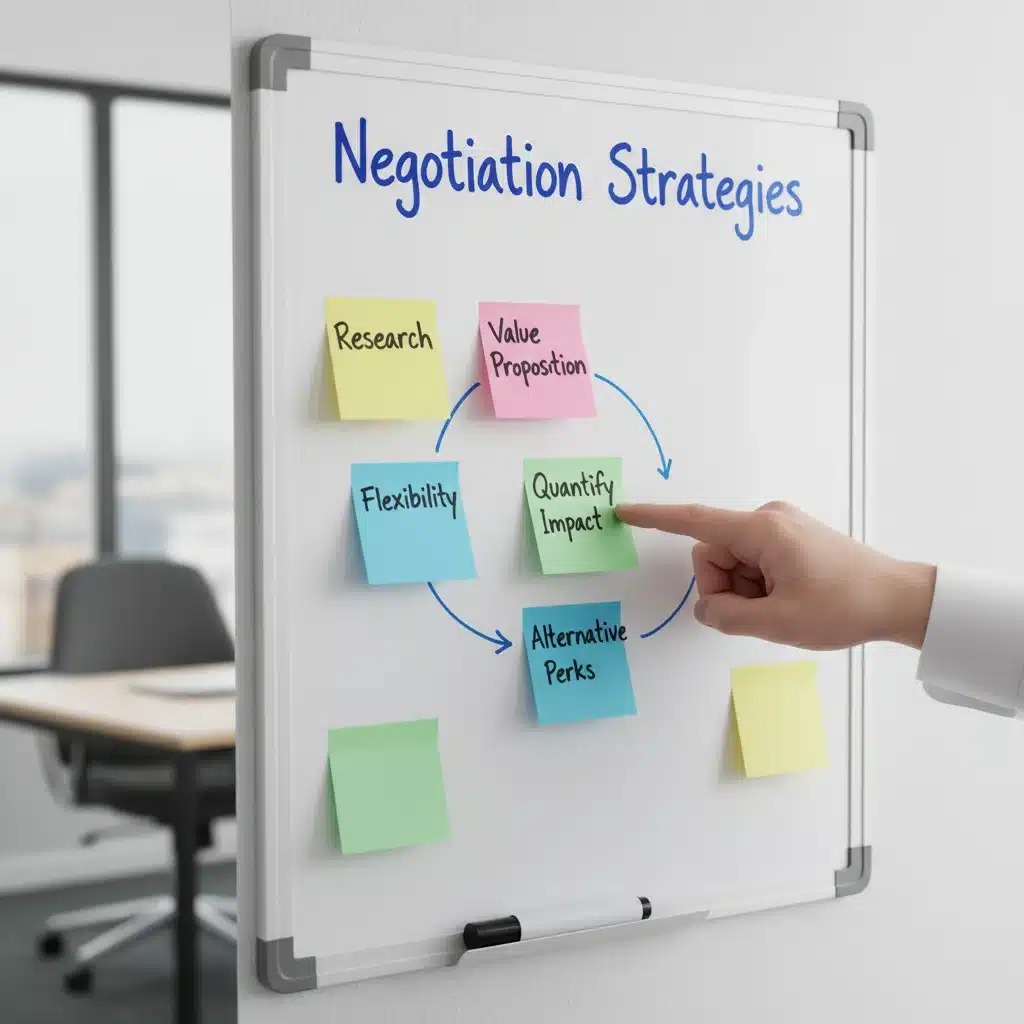
Strategies to Get 20% More from Your Benefits Package
Negotiating for better Employee Perks 2026 requires a strategic approach. It’s not just about asking; it’s about demonstrating value and understanding your employer’s perspective. Here’s how to effectively push for a significant enhancement:
1. Do Your Homework: Research and Quantify Value
As mentioned, thorough research is non-negotiable. Understand the market value of the perks you’re seeking. If you want a flexible work arrangement, highlight how similar arrangements have boosted productivity and retention in other companies. If you’re requesting a professional development budget, show how acquiring new skills will directly benefit the company’s projects or strategic goals. Quantify the financial impact where possible. For example, if a company offers a 4% 401(k) match and you’re getting 2%, that 2% difference over a career can be hundreds of thousands of dollars.
2. Highlight Your Value Proposition
When you ask for more, frame it in terms of what you bring to the table. Are you a high performer? Have you recently achieved significant results for the company? Are you taking on additional responsibilities? Connect your request for enhanced benefits directly to your contributions and future potential. For instance, “To continue delivering X results and take on Y leadership roles, I would greatly benefit from Z professional development opportunities.” Your employer is more likely to invest in an employee who clearly demonstrates their value and commitment.
3. Prioritize Your Requests
Don’t overwhelm your employer with a laundry list of demands. Choose your top 2-3 most important perks. This shows you’re thoughtful and realistic. Be prepared to be flexible; you might not get everything you ask for, but prioritizing increases your chances of securing the most impactful benefits. Sometimes, smaller, less costly perks (like a specific software license for professional development or a more flexible schedule) can be easier wins than a significant increase in a traditional benefit like health insurance.
4. Frame it as a Win-Win
Position your requests as mutually beneficial. For example, if you ask for a budget for a specific certification, explain how that certification will make you more effective in your role, potentially leading to increased efficiency, innovation, or client satisfaction for the company. If you request more flexible hours, explain how this will allow you to optimize your most productive times, leading to better output. Employers are more receptive when they see how investing in you translates into a return on investment for the company.
5. Be Prepared for Alternatives
If a direct increase in a specific benefit isn’t possible, be ready to discuss alternatives. If your company can’t offer a higher 401(k) match, perhaps they can offer a larger professional development budget, a sign-on bonus, or additional PTO. Flexibility in your negotiation can lead to creative solutions that still add significant value to your overall compensation package. This is where understanding the full spectrum of Employee Perks 2026 becomes invaluable.
6. Timing is Everything
The best time to negotiate is during performance reviews, when you receive a job offer, or when you’ve achieved a significant milestone. These are moments when your value to the company is most apparent and when employers are typically reviewing compensation. Avoid making demands out of the blue; instead, schedule a dedicated meeting to discuss your compensation and benefits package.
7. Leverage a Job Offer (Carefully)
If you receive an offer from another company, you can use it as leverage, but do so carefully and professionally. Present it as an opportunity to discuss your current compensation and how your current employer can match or exceed the overall value. Focus on what you appreciate about your current role and company, and express your desire to stay, provided your total compensation aligns with market value and your contributions. This is a powerful way to secure more Employee Perks 2026.
The Employer’s Perspective: Building a Competitive Benefits Package for 2026
For employers, staying competitive in the battle for talent means proactively designing a benefits package that resonates with the workforce of 2026. This isn’t just about offering the most perks; it’s about offering the *right* perks that align with company culture, values, and employee needs. Here are key considerations for companies:
1. Conduct Regular Employee Surveys and Feedback Sessions
The most effective way to understand what employees value is to ask them directly. Regular, anonymous surveys, focus groups, and one-on-one feedback sessions can provide invaluable insights into desired Employee Perks 2026. This data-driven approach ensures that investments in benefits are truly impactful and appreciated by the workforce, preventing wasted resources on perks nobody uses.
2. Benchmark Against Competitors and Industry Leaders
Staying informed about what other companies in your industry and region are offering is crucial. This doesn’t mean blindly copying, but rather understanding the baseline expectations and identifying opportunities to differentiate. Look beyond direct competitors to innovative companies known for their employee-centric cultures.
3. Emphasize Flexibility and Personalization
Recognize that a one-size-fits-all approach no longer works. Consider offering a ‘benefits stipend’ or ‘flexible spending accounts’ that allow employees to choose the perks most relevant to them, whether it’s for wellness, professional development, or caregiving. This empowers employees and increases the perceived value of the benefits package.
4. Focus on Holistic Well-being
Beyond physical health, prioritize mental, financial, and social well-being. Integrated programs that address all these facets demonstrate a genuine commitment to employees’ overall health and happiness. Investing in preventative care and support systems can also lead to reduced absenteeism and higher productivity in the long run.
5. Communicate the Value of Benefits Effectively
Many employees are unaware of the full monetary and intrinsic value of their benefits package. Employers should regularly communicate this value through personalized statements, workshops, and clear, accessible information. Highlighting the total compensation package, not just salary, can significantly boost employee appreciation and retention.
6. Foster a Culture of Trust and Autonomy
The most appealing perks often go beyond tangible benefits. A workplace culture that trusts employees, offers autonomy, and promotes a healthy work-life integration is itself a powerful perk. Flexible work policies, transparent communication, and opportunities for meaningful work contribute significantly to employee satisfaction and loyalty. These are the foundational elements upon which all other Employee Perks 2026 should be built.
The Future of Employee Perks: Beyond 2026
Looking further into the future, the evolution of Employee Perks 2026 will likely continue to be shaped by technological advancements, demographic shifts, and societal values. Artificial intelligence and automation might free up employees from mundane tasks, increasing the demand for perks that support creativity, critical thinking, and continuous learning. As Gen Z and future generations enter the workforce, their emphasis on purpose, social impact, and authentic well-being will further drive innovation in benefits design.
Expect to see even greater integration of technology into benefits administration, making it easier for employees to access and manage their perks. Virtual reality for training, AI-powered mental health support, and personalized benefits dashboards will become commonplace. Companies might also explore universal basic income experiments or more robust profit-sharing models as forms of compensation and perk enhancement.
The line between work and personal life will continue to blur, making perks that support work-life integration even more critical. This could include things like paid sabbaticals for personal growth, travel stipends, or even support for personal passion projects. Ultimately, the future of employee perks is one where organizations are deeply invested in the holistic flourishing of their people, recognizing that a thriving workforce is the ultimate competitive advantage.