The 2026 Inflation Report: How to Protect Your Savings from a Projected 4% Decline in Purchasing Power
The economic landscape is in constant flux, and staying ahead of potential financial challenges is paramount for securing your future. As we look towards the horizon, particularly the 2026 inflation report, projections indicate a potential 4% decline in purchasing power. This isn’t just a number; it’s a call to action for every individual and household to re-evaluate their financial strategies. Understanding the nuances of inflation’s impact and implementing proactive measures to protect your savings from this projected downturn is not merely advisable, but essential. This comprehensive guide will delve into the intricacies of the 2026 inflation forecast, explore its potential ramifications, and provide actionable strategies to safeguard your financial well-being.
Anúncios
Understanding the 2026 Inflation Report and Its Projections
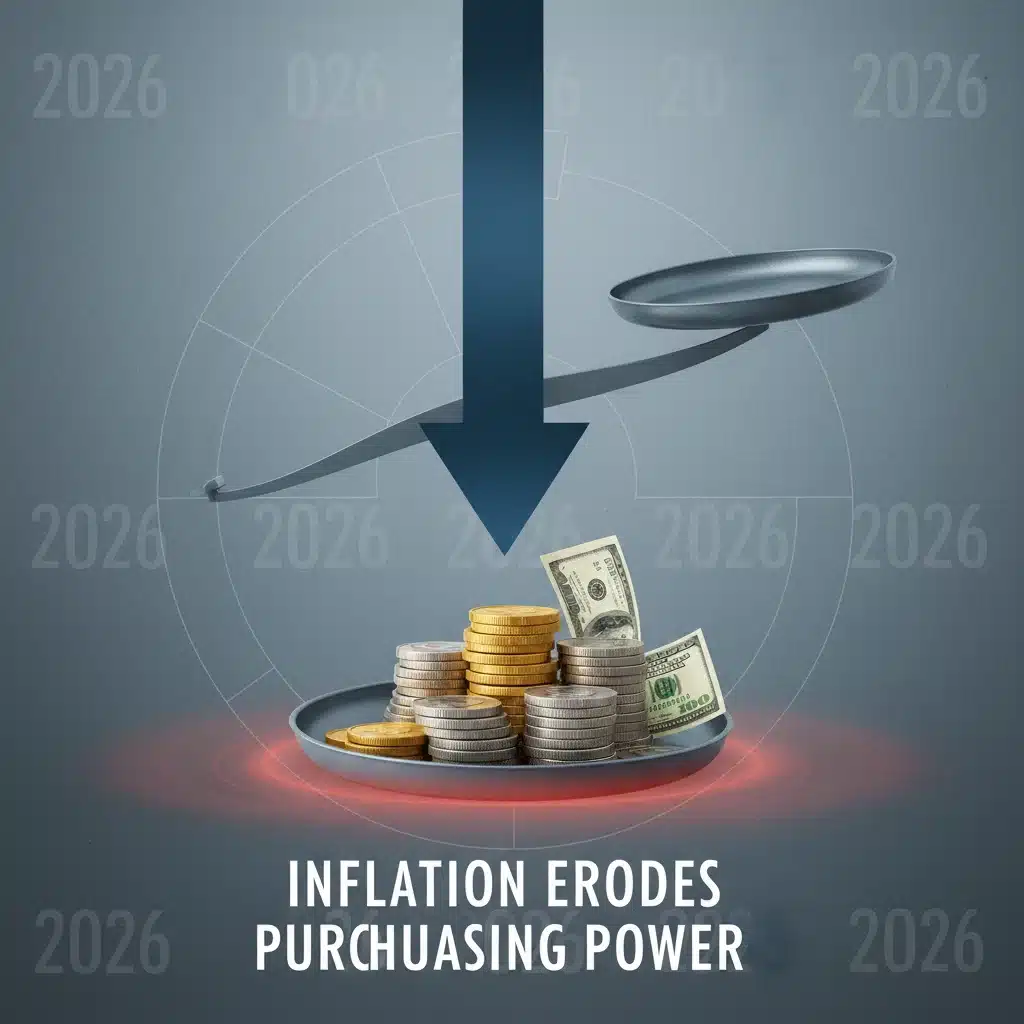
The term ‘inflation’ often conjures images of rising prices and eroding wealth. At its core, inflation is the rate at which the general level of prices for goods and services is rising, and consequently, the purchasing power of currency is falling. When economists speak of a ‘4% decline in purchasing power’ for 2026, it means that what $100 buys today, will only buy $96 worth of goods and services in 2026, assuming a 4% inflation rate. This seemingly small percentage can have significant long-term effects on your savings, investments, and overall financial stability.
Several factors contribute to inflation. These can include increased money supply, rising demand for goods and services outstripping supply, increased production costs, and government fiscal policies. The 2026 inflation protection scenario is likely influenced by a combination of these elements, stemming from ongoing global economic shifts, supply chain adjustments, and evolving monetary policies. Central banks and financial institutions meticulously analyze these indicators to provide forecasts, and the projected 4% decline serves as a critical warning for individuals to fortify their financial positions.
It’s important to distinguish between transient inflation and sustained inflationary pressures. While some price increases might be temporary, a projected 4% decline suggests a more persistent trend that demands attention. Ignoring these warnings could lead to a significant erosion of wealth over time, impacting retirement plans, long-term savings goals, and even daily living expenses. Therefore, understanding the underlying causes and potential duration of this inflationary period is the first step in formulating an effective strategy for protecting savings.
The Real-World Impact of a 4% Decline in Purchasing Power
A 4% decline in purchasing power might sound abstract, but its effects are very real and tangible across various aspects of your financial life. Let’s break down what this means for different financial segments:
Erosion of Savings Accounts
Traditional savings accounts, while offering security, often provide interest rates that barely keep pace with, or even lag behind, inflation. If your savings account offers a 1% interest rate and inflation is 4%, your real return is actually -3%. This means that every year, your money is effectively losing value, even though the numerical balance remains stable or slightly increases. This is a critical concern for those relying heavily on cash savings for emergencies or short-term goals. To counter this, individuals need to explore options that offer higher returns, while still maintaining liquidity for their emergency funds.
Retirement Fund Vulnerability
For those nearing or in retirement, inflation is a particularly insidious threat. Retirement funds, often accumulated over decades, are designed to provide financial security for the rest of one’s life. A sustained 4% inflation rate can significantly reduce the effective value of these funds, meaning retirees will need more money to maintain their desired lifestyle. This necessitates a careful review of retirement portfolios, ensuring they are adequately diversified and positioned to combat inflationary pressures. Strategies such as investing in inflation-indexed bonds or real assets become more attractive in this scenario.
Impact on Everyday Expenses
Beyond savings and retirement, inflation directly affects your daily budget. The cost of groceries, utilities, transportation, and housing can all rise. A 4% decline means that your current income will buy less of these essential goods and services. This forces households to either cut back on expenses, seek higher incomes, or dip into savings more frequently. Budgeting becomes even more crucial during inflationary periods, requiring a detailed tracking of expenses and identifying areas where adjustments can be made to mitigate the impact of rising prices.
Debt and Lending Considerations
While inflation generally erodes the value of money, it can have a dual effect on debt. For those with fixed-rate debts (like a mortgage), inflation can make repayments feel less burdensome over time, as the real value of the debt decreases. However, for those looking to take on new loans, interest rates may rise in response to inflation, making borrowing more expensive. Variable-rate debts can become particularly risky as interest rates adjust upwards. Understanding this dynamic is key to making informed decisions about borrowing and lending in an inflationary environment.
Strategic Approaches for 2026 Inflation Protection
Forewarned is forearmed. Given the 2026 inflation report projections, now is the time to implement robust strategies to protect your savings and maintain your financial health. Here are several key areas to focus on:
1. Diversify Your Investment Portfolio
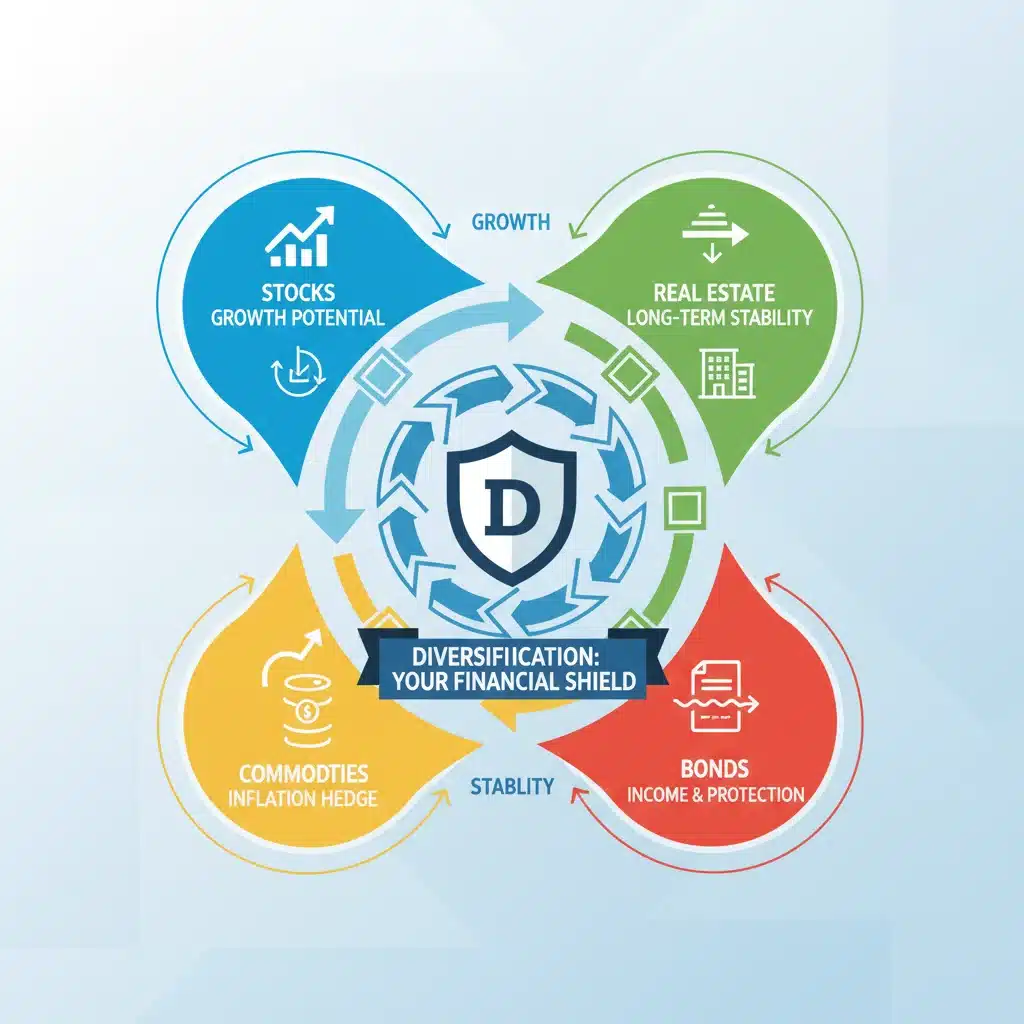
Diversification is a cornerstone of sound investment strategy, and it becomes even more critical during inflationary periods. A well-diversified portfolio spreads risk across various asset classes, some of which tend to perform better when inflation is high. This approach aims to minimize the impact of any single asset class underperforming due to inflationary pressures.
- Stocks: Companies with strong pricing power can often pass increased costs onto consumers, maintaining their profit margins. Look for businesses in essential sectors or those with strong brand loyalty. Value stocks and dividend-paying stocks can also offer some protection.
- Real Estate: Historically, real estate has been considered a strong hedge against inflation. Property values and rental income tend to rise with inflation, providing a tangible asset that appreciates over time. This includes direct ownership, real estate investment trusts (REITs), or even crowdfunding platforms.
- Commodities: Raw materials like gold, silver, oil, and agricultural products often see their prices rise during inflationary times. Investing in commodity ETFs or futures can be a way to gain exposure, though these can be volatile.
- Treasury Inflation-Protected Securities (TIPS): These are government bonds whose principal value adjusts with inflation, as measured by the Consumer Price Index (CPI). They offer a guaranteed real rate of return and are one of the most direct ways to protect against inflation.
- Cryptocurrencies: While volatile, some argue that certain cryptocurrencies, particularly Bitcoin, can act as a hedge against inflation due to their decentralized nature and finite supply. However, this is a high-risk, high-reward strategy that requires careful consideration.
Regularly review and rebalance your portfolio to ensure it aligns with your risk tolerance and financial goals, especially in light of the 2026 inflation outlook.
2. Re-evaluate Your Savings and Emergency Funds
While maintaining an emergency fund in easily accessible cash is vital, keeping excessive amounts in low-interest savings accounts during high inflation is counterproductive. Consider these alternatives:
- High-Yield Savings Accounts: While still susceptible to inflation, high-yield savings accounts offer better interest rates than traditional ones, helping to mitigate some of the purchasing power loss.
- Short-Term CDs: Certificates of Deposit (CDs) offer fixed interest rates for a specified term. For emergency funds, consider short-term CDs that mature frequently, allowing you to access funds if needed while earning a slightly better rate.
- Money Market Accounts: These accounts typically offer higher interest rates than traditional savings accounts and often come with check-writing privileges, making them a good option for accessible savings.
The goal is to strike a balance between liquidity and earning a reasonable return to combat the 4% decline.
3. Consider Inflation-Indexed Investments and Annuities
Beyond TIPS, other financial products are specifically designed to provide inflation protection strategies:
- Inflation-Indexed Annuities: Some annuities offer payouts that adjust with inflation, providing a rising income stream in retirement to help maintain purchasing power.
- Real Return Bonds: Similar to TIPS, these bonds offer a return that is adjusted for inflation, ensuring your investment grows in real terms.
Consulting with a financial advisor can help you determine if these specialized products align with your overall financial plan and risk profile, especially as you prepare for the 2026 financial outlook.
4. Manage Debt Wisely
As mentioned, inflation can impact debt differently. Here’s how to manage it strategically:
- Fixed-Rate Debt: If you have fixed-rate debt like a mortgage, inflation can work in your favor by making repayments less burdensome in real terms. However, avoid taking on new fixed-rate debt at high interest rates.
- Variable-Rate Debt: Prioritize paying down variable-rate debt (e.g., credit cards, some student loans) as quickly as possible. As interest rates rise with inflation, the cost of carrying these debts will increase significantly.
- Refinancing: If interest rates are still relatively low, consider refinancing variable-rate debt into fixed-rate options to lock in lower payments before rates potentially climb further in response to inflation.
Smart debt management is a crucial component of 2026 inflation protection.
5. Increase Your Income and Skills
One of the most direct ways to combat a decline in purchasing power is to increase your income. This can involve:
- Negotiating Salary Increases: Regularly assess your market value and negotiate for salary increases that at least keep pace with inflation.
- Developing New Skills: Acquire new skills that are in demand, making you more valuable to employers and potentially leading to higher earning potential.
- Side Hustles or Freelancing: Consider taking on additional work to supplement your income. The gig economy offers numerous opportunities to earn extra money.
- Investing in Yourself: Education, certifications, and professional development can lead to career advancement and higher wages, providing a long-term hedge against inflation.
Boosting your income directly counteracts the erosion of purchasing power projected in the 2026 inflation report.
6. Review and Adjust Your Budget
A detailed budget is your roadmap to financial control. During inflationary periods, it’s essential to review and adjust it regularly:
- Track Expenses Meticulously: Understand exactly where your money is going. Identify areas where costs are rising the fastest.
- Cut Unnecessary Expenses: Look for opportunities to reduce discretionary spending. Every dollar saved can help offset the rising cost of essentials.
- Bulk Buying and Smart Shopping: For non-perishable goods, consider buying in bulk when prices are favorable. Utilize coupons, sales, and loyalty programs to maximize savings on everyday items.
- Energy Efficiency: Invest in energy-efficient appliances or make small changes to reduce utility bills, which are often susceptible to inflationary pressures.
Proactive budgeting is a powerful tool to maintain your standard of living despite the projected 4% decline.

Long-Term Financial Planning in an Inflationary Environment
Protecting your savings from the 2026 inflation report isn’t just about short-term fixes; it requires a robust long-term financial plan. This includes:
Regular Portfolio Reviews
Market conditions, economic forecasts, and your personal financial situation can change. Schedule regular reviews of your investment portfolio with a financial advisor. Ensure your asset allocation remains appropriate for your risk tolerance and goals, especially as new inflation data emerges. Adjustments may be necessary to maintain adequate 2026 inflation protection.
Estate Planning Considerations
Inflation can also impact the real value of your estate. Review your estate plan to ensure that your assets are structured in a way that minimizes the impact of inflation on your beneficiaries. This might involve considering trusts or other vehicles that can offer some protection against the erosion of wealth.
Education and Continuous Learning
The financial world is complex and ever-evolving. Stay informed about economic trends, inflation indicators, and new investment opportunities. Continuous learning empowers you to make informed decisions and adapt your strategies as needed. Resources like reputable financial news outlets, economic reports, and financial literacy courses can be invaluable.
Consulting Financial Professionals
For many, navigating the complexities of inflation and investment can be daunting. A qualified financial advisor can offer personalized advice tailored to your specific circumstances, helping you to develop a comprehensive plan for protecting your savings. They can assist with portfolio diversification, tax-efficient strategies, and long-term financial planning, providing peace of mind during uncertain economic times.
Conclusion: Proactive Steps for a Secure Financial Future
The 2026 inflation report, with its projection of a 4% decline in purchasing power, serves as a crucial reminder of the importance of proactive financial management. While the prospect of inflation can be unsettling, it is not insurmountable. By understanding the underlying causes and potential impacts, and by implementing strategic measures, you can effectively protect your savings and maintain your financial stability.
From diversifying your investment portfolio with assets like real estate, commodities, and inflation-indexed securities, to wisely managing your debt, boosting your income, and meticulously adjusting your budget, each step contributes to building a stronger financial defense. Regular reviews of your financial plan and seeking expert advice are also critical components of a resilient strategy.
Embrace these strategies not as a reaction to fear, but as an empowered approach to securing your financial future. The time to act is now. By taking deliberate, informed steps, you can navigate the challenges posed by the 2026 inflation report and ensure that your hard-earned savings continue to work for you, preserving your purchasing power for years to come.