Rural Healthcare Initiatives 2026: $500M Grant Programs Announced
Anúncios
Department of Health Announces New Grant Programs Totaling $500 Million for Rural Healthcare Initiatives in 2026
In a landmark move set to significantly bolster healthcare access and quality across the nation’s vast rural landscapes, the Department of Health (DOH) has officially announced the launch of a series of new grant programs. These initiatives, collectively valued at an impressive $500 million, are earmarked specifically for rural healthcare grants and are scheduled to commence in 2026. This substantial investment underscores the DOH’s commitment to addressing the persistent disparities in healthcare services that often plague rural communities, promising a brighter, healthier future for millions of Americans living outside major metropolitan areas.
The announcement has been met with widespread optimism by healthcare providers, community leaders, and advocacy groups who have long championed increased support for rural health. For years, rural areas have grappled with unique challenges, including a shortage of healthcare professionals, limited access to specialized services, aging infrastructure, and the socioeconomic factors that exacerbate health inequities. These new rural healthcare grants are designed to tackle these issues head-on, fostering innovation, expanding essential services, and building resilient healthcare systems tailored to the distinct needs of rural populations.
Anúncios
Understanding the intricacies of these new grant programs is crucial for potential applicants and stakeholders. This comprehensive guide will delve into the objectives, eligibility criteria, application process, and the anticipated impact of these transformative initiatives. Our goal is to provide a clear roadmap for those looking to leverage these funds to create lasting positive change in their communities, ensuring that the $500 million investment achieves its maximum potential in enhancing rural healthcare grants and outcomes.
The Critical Need for Rural Healthcare Investment
The challenges facing rural healthcare are multifaceted and deeply entrenched. According to numerous studies, rural residents often experience higher rates of chronic diseases, poorer health outcomes, and shorter life expectancies compared to their urban counterparts. This disparity is often attributed to a confluence of factors, including:
- Workforce Shortages: A severe lack of physicians, nurses, and allied health professionals willing to practice in rural areas.
- Geographic Barriers: Long travel distances to healthcare facilities, compounded by inadequate transportation options.
- Economic Constraints: Lower average incomes and higher rates of uninsured or underinsured individuals.
- Aging Infrastructure: Many rural hospitals and clinics operate in outdated facilities with limited access to modern medical technology.
- Lack of Specialty Care: Limited availability of specialists, forcing patients to travel long distances for essential treatments.
- Social Determinants of Health: Factors like poverty, lack of educational opportunities, and environmental conditions disproportionately affect rural communities.
The DOH’s commitment of $500 million for federal funding in 2026 is a direct response to these pressing issues. This funding is not merely a financial injection; it represents a strategic effort to build sustainable models of care that can thrive in rural environments. By investing in these areas, the DOH aims to not only improve individual health but also strengthen the social and economic fabric of rural America.
Overview of the New Grant Programs: Objectives and Focus Areas
The $500 million in rural healthcare grants will be distributed across several distinct programs, each with specific objectives designed to address different facets of rural healthcare. While the detailed guidelines for each program are still being finalized, the DOH has outlined key focus areas:
1. Rural Health Infrastructure Development Grants
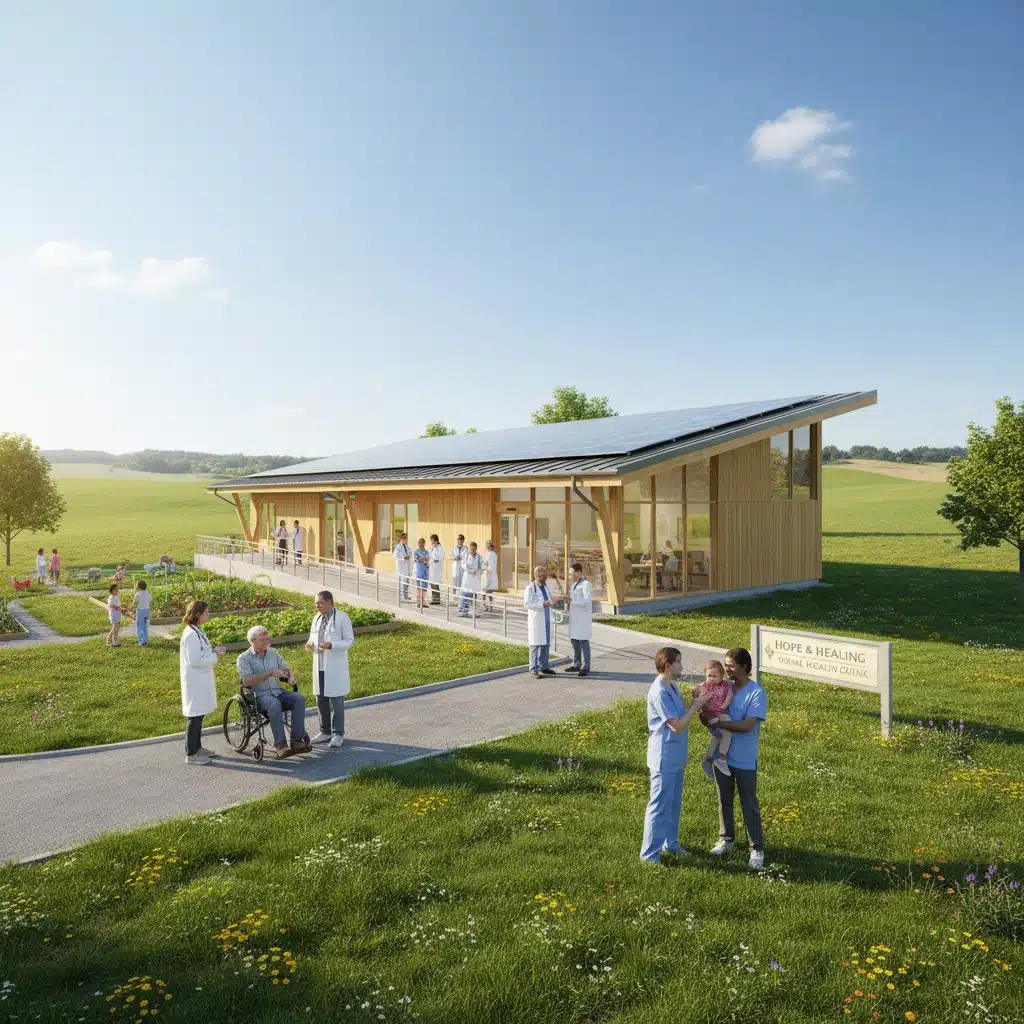
These grants will target the modernization and expansion of physical healthcare infrastructure in rural areas. This includes funding for:
- Construction of new clinics and hospitals.
- Renovation and expansion of existing facilities.
- Acquisition of new medical equipment and technology.
- Development of telehealth infrastructure, including broadband access.
The goal is to ensure that rural communities have access to state-of-the-art facilities and equipment, reducing the need for patients to travel to urban centers for basic or specialized care. These infrastructure grants are critical for creating a foundation upon which other healthcare improvements can be built, directly impacting the long-term viability of rural healthcare grants projects.
2. Rural Healthcare Workforce Recruitment and Retention Programs
Addressing the critical shortage of healthcare professionals is a cornerstone of this initiative. These grants will support strategies such as:
- Scholarships and loan repayment programs for healthcare students and professionals committed to practicing in rural areas.
- Development of rural residency programs and training opportunities.
- Initiatives to attract and retain primary care physicians, nurses, mental health professionals, and other specialists.
- Support for community health workers and other frontline personnel.
By investing in the rural healthcare workforce, the DOH aims to create a sustainable pipeline of dedicated professionals who understand and are committed to serving rural populations. This directly impacts the quality and accessibility of care, making these rural healthcare grants particularly vital.
3. Telehealth and Digital Health Innovation Grants
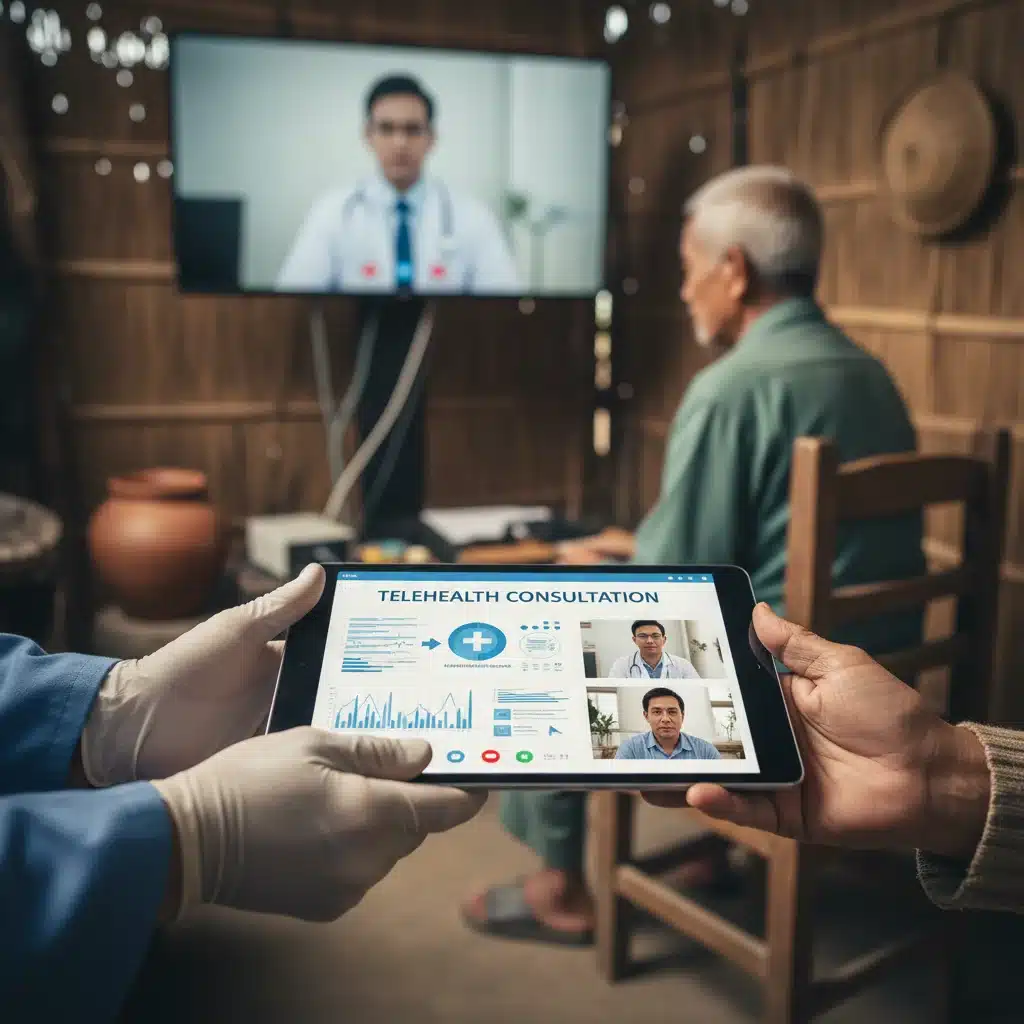
Recognizing the transformative potential of technology, a significant portion of the funding will be allocated to expanding telehealth and digital health services. This includes:
- Funding for teleconsultation platforms and remote monitoring devices.
- Support for digital health literacy programs in rural communities.
- Development of secure data exchange systems to improve care coordination.
- Pilot programs for AI-driven diagnostic tools in remote settings.
Telehealth has proven to be an invaluable tool for overcoming geographic barriers, especially in rural settings. These grants will accelerate the adoption of these technologies, ensuring that rural residents can access specialized care, mental health services, and chronic disease management from the comfort of their homes. This is a key area where telehealth fraud can make an immediate and tangible difference.
4. Community Health and Preventive Care Initiatives
Prevention and community-based health programs are essential for improving overall health outcomes. These grants will support:
- Programs addressing social determinants of health, such as food security, housing, and transportation.
- Chronic disease management programs tailored for rural populations.
- Mental health and substance abuse prevention and treatment services.
- Health education and promotion campaigns.
- Partnerships between healthcare providers, schools, and local organizations to foster healthier communities.
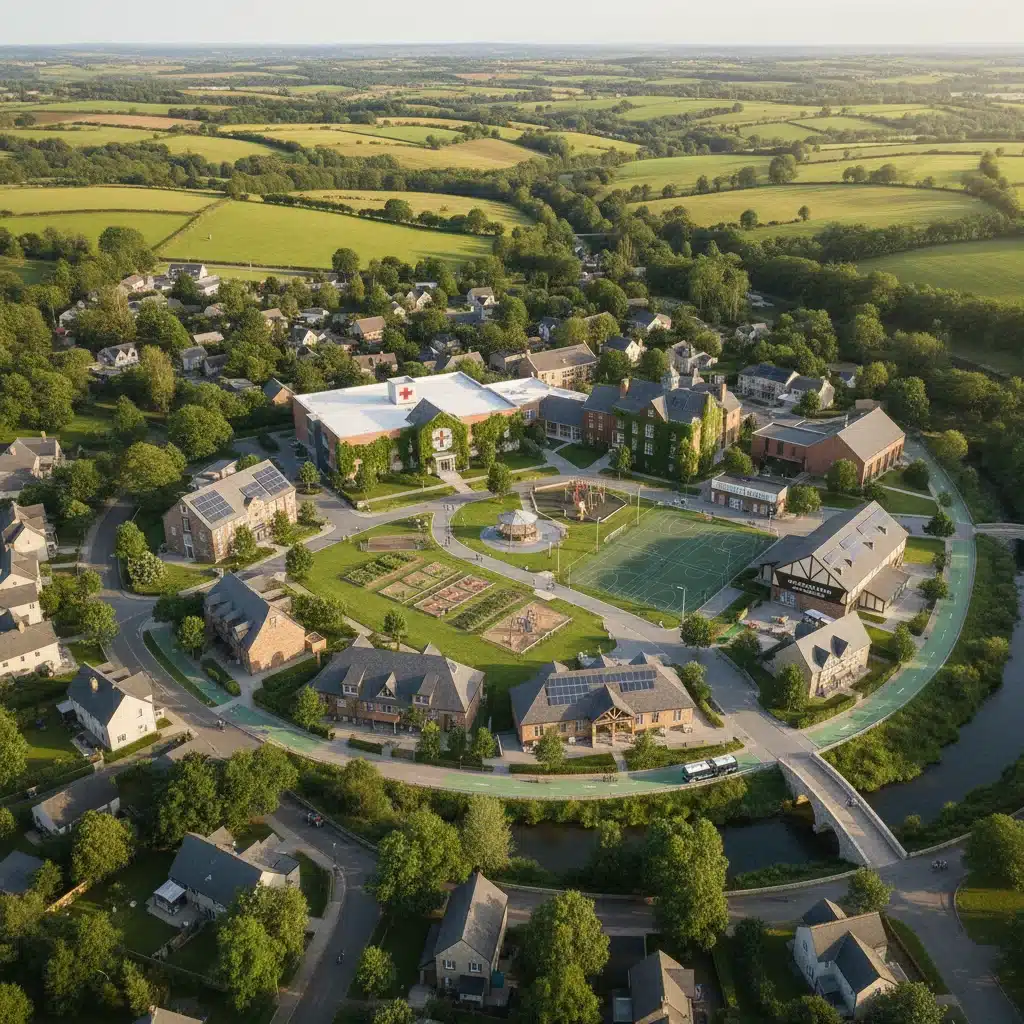
These initiatives aim to shift the focus from reactive treatment to proactive prevention, empowering rural communities to take control of their health. The DOH recognizes that healthcare extends beyond clinic walls, and these rural healthcare grants will support holistic approaches to wellness.
Eligibility and Application Process
While the full detailed Request for Applications (RFA) for the 2026 rural healthcare grants is expected to be released in late 2025, the DOH has provided preliminary guidance on eligibility and the application process. Potential applicants should begin preparing now to maximize their chances of securing funding.
Who is Eligible?
Typically, DOH grants for rural healthcare are open to a broad range of entities, including but not limited to:
- Rural hospitals and health systems.
- Federally Qualified Health Centers (FQHCs) and Rural Health Clinics (RHCs).
- Community-based organizations with a focus on health.
- Local government agencies and public health departments.
- Non-profit organizations dedicated to rural health improvement.
- Academic institutions conducting rural health research or training.
It is crucial for applicants to demonstrate a clear understanding of the specific needs of their rural community and how their proposed project will address those needs effectively. Collaboration between different entities (e.g., a hospital partnering with a local non-profit) is often encouraged and can strengthen an application for rural healthcare grants.
Key Application Components to Prepare
Applicants for rural healthcare grants should anticipate the need for comprehensive proposals that typically include:
- Project Narrative: A detailed description of the proposed project, its objectives, activities, and expected outcomes. This section should clearly articulate how the project aligns with the specific goals of the grant program.
- Community Needs Assessment: Evidence-based data demonstrating the healthcare needs of the target rural community. This could include demographic data, health indicators, and existing service gaps.
- Work Plan and Timeline: A realistic plan outlining key activities, milestones, and a timeline for project implementation.
- Budget and Justification: A detailed budget outlining all anticipated costs, with clear justifications for each expenditure.
- Organizational Capacity: Information demonstrating the applicant’s capacity to successfully manage and implement the proposed project, including staff expertise and past performance.
- Evaluation Plan: A robust plan for monitoring progress, measuring outcomes, and evaluating the overall impact of the project.
- Letters of Support: Endorsements from community leaders, partner organizations, and other stakeholders can significantly strengthen an application for rural healthcare grants.
Prospective applicants are strongly advised to begin gathering relevant data, identifying potential partners, and developing preliminary project ideas well in advance of the RFA release. Engaging with community stakeholders early in the planning process can lead to more impactful and well-supported proposals for these rural healthcare grants.
Anticipated Impact on Rural Communities
The injection of $500 million into rural healthcare grants is expected to yield profound and far-reaching benefits for rural communities across the nation. The anticipated impacts include:
Improved Access to Care
With enhanced infrastructure, a stronger workforce, and expanded telehealth services, rural residents will find it easier to access timely and appropriate medical care. This means less travel, reduced wait times, and a greater likelihood of receiving care closer to home. The emphasis on rural healthcare grants directly translates into tangible improvements in daily life for those in underserved areas.
Better Health Outcomes
By addressing chronic disease management, mental health, and preventive care, these grants will contribute to a measurable improvement in overall health outcomes. Early detection, consistent care, and community-based wellness programs will help reduce the incidence and severity of many health conditions prevalent in rural populations. This holistic approach is a key component of the DOH’s vision for rural healthcare grants.
Economic Development and Job Creation
Investment in healthcare infrastructure and workforce development will inevitably lead to economic growth in rural areas. New construction projects, expanded facilities, and the recruitment of healthcare professionals will create jobs, stimulate local economies, and attract new residents. Healthcare is often a major employer in rural towns, and these grants will reinforce that role, making the impact of rural healthcare grants extend beyond health.
Enhanced Health Equity
Ultimately, the goal of these rural healthcare grants is to reduce health disparities and promote health equity. By targeting the unique challenges faced by rural populations, the DOH aims to ensure that everyone, regardless of their zip code, has the opportunity to achieve their highest possible level of health. This commitment to equity is at the heart of the $500 million investment, ensuring that the benefits of rural healthcare grants reach those who need them most.
Preparing for Success: Tips for Prospective Applicants
Securing a competitive rural healthcare grant requires diligent preparation and strategic planning. Here are some essential tips for organizations considering applying:
1. Start Early and Stay Informed
Do not wait for the official RFA to be released. Begin researching the DOH’s priorities, past grant recipients, and any preliminary information available. Sign up for DOH newsletters and alerts to receive updates as soon as they are published. Early preparation is paramount for successful rural healthcare grants applications.
2. Conduct a Thorough Needs Assessment
A strong application is built on a clear understanding of community needs. Gather data, conduct surveys, and engage with local residents and healthcare providers to identify the most pressing issues and service gaps in your rural area. This will help you tailor your proposal to address specific, evidence-based needs, making your application for rural healthcare grants more compelling.
3. Forge Strong Partnerships
Collaboration is key in rural healthcare. Identify potential partners, such as other healthcare organizations, local government, schools, non-profits, and community groups. Collaborative projects often demonstrate a broader impact and a more sustainable approach to addressing complex challenges, which is highly valued in rural healthcare grants.
4. Develop a Clear and Concise Project Plan
Your project narrative should be well-organized, easy to understand, and directly address the grant program’s objectives. Clearly articulate your goals, activities, expected outcomes, and how you will measure success. Avoid jargon and be as specific as possible. A well-defined plan is crucial for any successful rural healthcare grants submission.
5. Create a Realistic and Justified Budget
Ensure your budget is detailed, accurate, and directly aligns with your proposed activities. Justify each expense, demonstrating how the funds will be used efficiently and effectively to achieve project goals. A transparent budget builds confidence in your organization’s ability to manage the rural healthcare grants funds responsibly.
6. Emphasize Sustainability
Grantmakers are interested in projects that will have a lasting impact beyond the grant period. Outline your plans for sustaining the project after the funding ends. This might include diversifying funding sources, building community support, or integrating the project into existing programs. Sustainability is a critical factor for rural healthcare grants.
7. Seek Expert Review
Before submitting your application, have it reviewed by someone unfamiliar with your project. They can offer fresh perspectives, identify areas that need clarification, and catch any errors. Consider seeking assistance from grant writing professionals or consultants with experience in DOH grants. This external review can significantly improve the quality of your rural healthcare grants application.
The Future of Rural Healthcare in 2026 and Beyond
The announcement of $500 million in new rural healthcare grants for 2026 marks a pivotal moment for rural communities across the United States. This substantial investment by the Department of Health is a clear signal of a renewed national commitment to addressing the long-standing challenges that have hindered equitable healthcare access and quality in non-urban areas. It represents a strategic vision to not only alleviate current deficiencies but also to build resilient, innovative, and sustainable healthcare ecosystems that can serve rural populations effectively for generations to come.
The comprehensive nature of these grant programs, spanning infrastructure development, workforce enhancement, technological innovation, and community health initiatives, reflects a holistic understanding of the complex factors influencing rural health. By targeting these diverse areas, the DOH aims to foster an integrated approach that leverages local strengths while providing the necessary resources to overcome systemic barriers. The ripple effect of these grants is anticipated to extend beyond immediate health improvements, contributing significantly to economic revitalization, social cohesion, and overall community well-being in rural America. The success of these rural healthcare grants will pave the way for future funding and sustained focus.
For healthcare organizations, community leaders, and advocates in rural regions, 2026 presents an unprecedented opportunity. The time to prepare is now. By diligently assessing community needs, forging robust partnerships, and developing compelling, data-driven proposals, potential applicants can position themselves to secure these vital funds. These federal STEM grants are not just about funding; they are about transforming lives, building healthier communities, and ensuring that every American, regardless of where they live, has access to the quality healthcare they deserve. The future of rural healthcare is looking brighter, and with these grants, it is poised for a period of transformative growth and innovation.
Conclusion
The Department of Health’s announcement of $500 million in new rural healthcare grants for 2026 is a monumental step towards achieving health equity and strengthening healthcare systems in underserved rural areas. These programs offer a lifeline to communities grappling with limited resources and significant health disparities. By focusing on critical areas such as infrastructure, workforce development, telehealth, and community-based preventive care, the DOH is laying the groundwork for a more robust, accessible, and sustainable rural healthcare landscape.
Prospective applicants are urged to engage proactively in the preparation process, leveraging available resources and collaborating with stakeholders to develop impactful and competitive proposals. The success of these grants hinges on the collective effort of federal agencies, local organizations, and dedicated individuals committed to improving rural health. As we look towards 2026, the promise of these HHS mental health grant offers a beacon of hope, signaling a new era of investment and innovation that will undoubtedly transform the health and well-being of millions in rural America.