White House to Unveil National Pandemic Strategy by 2026: Exclusive Details
Anúncios
Exclusive: White House Task Force to Unveil National Strategy for Pandemic Preparedness by December 2026
In an exclusive revelation that underscores a profound shift in national security and public health priorities, sources close to the White House confirm that a dedicated Task Force is meticulously crafting a comprehensive pandemic preparedness strategy, slated for public unveiling by December 2026. This ambitious initiative aims to fundamentally transform the United States’ capacity to anticipate, prevent, detect, and respond to future biological threats, drawing critical lessons from the unprecedented challenges posed by recent global health crises. The strategy, currently in its advanced stages of development, is expected to be a landmark document, outlining a multi-faceted, whole-of-government approach designed to safeguard the nation’s health, economy, and societal stability against the specter of emerging pathogens.
Anúncios
The urgency driving this initiative cannot be overstated. The economic devastation, societal disruption, and tragic loss of life witnessed globally have illuminated critical vulnerabilities in existing public health infrastructures and international response mechanisms. Recognizing these gaps, the White House has prioritized the creation of a robust, forward-looking pandemic preparedness strategy that moves beyond reactive measures, instead embedding proactive resilience into the very fabric of national governance and public health. This strategy is not merely an update to existing protocols; it represents a paradigm shift, aiming to build a future where the nation is not just prepared, but truly resilient, against any biological threat, known or unknown.
The Genesis of a Proactive Pandemic Preparedness Strategy
The establishment of this specialized White House Task Force signals a clear recognition at the highest levels of government that pandemic threats are not isolated incidents but rather a persistent and evolving challenge requiring sustained, strategic investment. Formed in the aftermath of extensive reviews and analyses of recent global health emergencies, the Task Force comprises leading experts from diverse fields: epidemiology, virology, immunology, public health policy, national security, economics, and logistics. Their mandate is broad yet precise: to synthesize lessons learned, identify persistent weaknesses, and forge an integrated framework that leverages cutting-edge science, technology, and interagency cooperation to build a formidable national defense against biological threats. This proactive stance is a cornerstone of the new pandemic preparedness strategy, moving away from crisis management towards sustained readiness.
Early discussions within the Task Force have reportedly centered on several key pillars that will form the bedrock of the December 2026 strategy. These include, but are not limited to, enhanced surveillance and early warning systems, accelerated vaccine and therapeutic development, fortified healthcare system capacity, robust supply chain resilience for critical medical resources, and a comprehensive public communication strategy designed to foster trust and compliance. Each pillar is being meticulously examined to ensure it is actionable, scalable, and adaptable to a wide range of potential threats. The aim is to create a living document, a flexible blueprint that can evolve with scientific understanding and emerging threats, ensuring the nation’s pandemic preparedness strategy remains cutting-edge and effective for decades to come.
One of the most significant anticipated shifts is the move towards a ‘no-regrets’ investment approach. This means prioritizing investments in foundational capabilities and technologies that offer broad utility across various threat scenarios, rather than narrowly focusing on specific pathogens. For instance, platforms for rapid vaccine development that can be quickly adapted for new viruses, or diagnostic tests that can detect a wide range of pathogens, are seen as critical components. This strategic foresight aims to maximize the return on investment and ensure that resources are allocated efficiently to build lasting capabilities. The White House recognizes that a robust pandemic preparedness strategy is not an expense, but an essential investment in national security and economic stability.
Key Pillars of the Forthcoming Strategy: A Deeper Dive into Pandemic Preparedness
While the full details of the pandemic preparedness strategy remain under wraps, our sources indicate several critical areas of focus that will define its scope and ambition:
1. Advanced Surveillance and Early Warning Systems
The strategy will place a significant emphasis on revolutionizing pathogen detection and surveillance. This includes investing in next-generation genomic sequencing capabilities, wastewater epidemiology, and integrated digital platforms that can aggregate and analyze health data in real-time. The goal is to create a robust ‘tripwire’ system that can identify novel pathogens and track their spread with unprecedented speed and accuracy, allowing for early intervention before outbreaks escalate into pandemics. This means expanding global biosurveillance networks and enhancing data sharing agreements with international partners, recognizing that a threat anywhere is a threat everywhere. The effectiveness of any pandemic preparedness strategy hinges on its ability to detect threats early.
2. Accelerated Research and Development (R&D)
A cornerstone of the new strategy will be a sustained commitment to funding cutting-edge research and development for vaccines, therapeutics, and diagnostics. This involves establishing permanent funding mechanisms, fostering public-private partnerships, and streamlining regulatory pathways to bring safe and effective countermeasures to market faster. The Task Force is reportedly exploring innovative approaches, such as mRNA technology platforms, universal vaccines, and broad-spectrum antivirals, which hold the promise of rapid scalability and adaptability against a wide array of viral threats. This commitment to R&D is vital for maintaining a leading edge in the global fight against pandemics, ensuring that the pandemic preparedness strategy is always backed by the latest scientific advancements.

3. Fortified Healthcare System Capacity and Resilience
The strategy will address critical vulnerabilities exposed in healthcare systems during the recent pandemic, including shortages of hospital beds, medical staff, and personal protective equipment (PPE). Plans include investments in surge capacity, strategic national stockpiles, and training programs for healthcare workers. Furthermore, there will be a focus on enhancing telemedicine infrastructure and community-based care models to ensure equitable access to health services during crises. Building a resilient healthcare system is paramount, ensuring that it can withstand the shock of a major outbreak without collapsing, a key component of a comprehensive pandemic preparedness strategy.
4. Robust Supply Chain Resilience
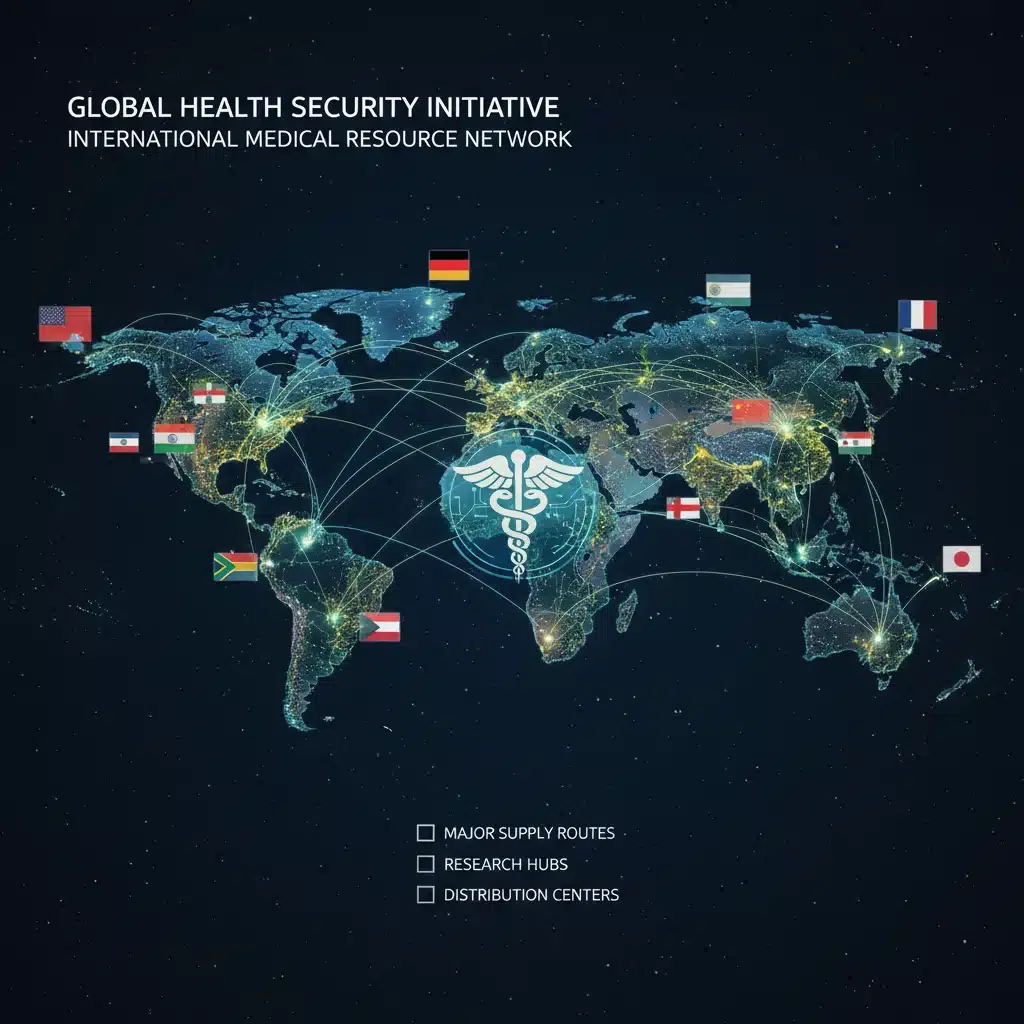
Ensuring the uninterrupted supply of critical medical resources – from PPE and pharmaceuticals to ventilators and diagnostic kits – is a top priority. The White House Task Force is exploring strategies to diversify supply chains, onshore manufacturing where feasible, and establish international agreements to prevent export restrictions during global emergencies. This includes mapping critical supply chains, identifying single points of failure, and developing contingency plans to mitigate disruptions. A reliable supply chain is not just an economic concern; it is a national security imperative in any effective pandemic preparedness strategy.
5. Global Health Security and Diplomacy
Recognizing that pandemics know no borders, the strategy will underscore the importance of international cooperation and leadership. This includes strengthening global health organizations, supporting low- and middle-income countries in building their own public health capacities, and fostering collaborative research initiatives. The U.S. aims to reassert its role as a leader in global health security, working with allies and partners to establish common standards, share best practices, and coordinate international responses to emerging threats. This global dimension is crucial, as no single nation can achieve true pandemic preparedness in isolation.
6. Public Communication and Trust
A critical lesson from past crises is the importance of clear, consistent, and trustworthy public communication. The strategy will outline frameworks for effective risk communication, combating misinformation, and fostering public trust in scientific guidance and government interventions. This includes developing pre-approved communication templates, training public health officials in crisis communication, and leveraging diverse media channels to reach all segments of the population. Restoring and maintaining public trust is fundamental to the successful implementation of any pandemic preparedness strategy.
The Economic and Societal Imperative of a Strong Pandemic Preparedness Strategy
The economic toll of recent pandemics has been staggering, far exceeding the cost of proactive investments in preparedness. The White House Task Force’s forthcoming pandemic preparedness strategy is not just a public health document; it is an economic recovery and stability plan. By investing in robust defenses now, the nation can mitigate the devastating financial impacts of future outbreaks, protecting businesses, jobs, and livelihoods. Studies have consistently shown that every dollar invested in preparedness can yield significant returns in terms of averted losses during a crisis. This economic rationale forms a powerful argument for the comprehensive approach being developed.
Beyond economics, the societal impact of pandemics on mental health, education, and social cohesion has been profound. The strategy aims to build resilience across all sectors of society, ensuring that communities are better equipped to cope with the stresses of a public health emergency. This includes supporting mental health services, developing flexible education models, and fostering community networks that can provide support during times of crisis. A truly holistic pandemic preparedness strategy must address not just the biological threat, but also its ripple effects across the entire social fabric.
The strategy will also likely address issues of equity and justice, ensuring that preparedness measures and response efforts are designed to protect the most vulnerable populations. Historical data shows that marginalized communities often bear the disproportionate burden of public health crises. The Task Force is reportedly integrating an equity lens into all aspects of the strategy, from vaccine distribution plans to access to testing and treatment, ensuring that the pandemic preparedness strategy serves all Americans fairly and effectively.
Challenges and the Path Forward for Pandemic Preparedness Strategy
Developing and implementing such an expansive pandemic preparedness strategy is not without its challenges. Sustained political will and consistent funding will be crucial, especially as the immediate memory of past crises fades. Interagency coordination, both domestically and internationally, will require overcoming bureaucratic hurdles and fostering a culture of collaboration. Furthermore, the rapid pace of scientific discovery and the constant evolution of pathogens demand a strategy that is dynamic and adaptable, capable of incorporating new knowledge and technologies.
The White House Task Force is acutely aware of these challenges and is reportedly engaging with a broad spectrum of stakeholders, including state and local governments, tribal nations, private industry, academic institutions, and international organizations, to ensure the strategy is robust, implementable, and enjoys broad support. Public consultations and expert reviews are expected to play a significant role in refining the final document, ensuring that the pandemic preparedness strategy reflects a consensus-driven approach to national security.
The unveiling of the pandemic preparedness strategy by December 2026 will mark a critical juncture for the United States. It will serve as a testament to the nation’s commitment to learning from the past and proactively shaping a safer, more resilient future. While the path ahead will undoubtedly present obstacles, the comprehensive nature of this initiative, coupled with the high-level political backing it enjoys, suggests a serious and sustained effort to elevate pandemic preparedness to a core national priority. This strategy is poised to be a blueprint not just for the U.S., but potentially a model for global cooperation in the face of shared biological threats, emphasizing the interconnectedness of global health security.
The strategic framework will also detail specific metrics and benchmarks to track progress and ensure accountability. This includes regular evaluations of preparedness levels, simulation exercises to test response capabilities, and transparent reporting on resource allocation and program effectiveness. By establishing clear performance indicators, the strategy aims to institutionalize continuous improvement and ensure that the nation’s pandemic preparedness strategy remains effective and responsive to evolving threats. This commitment to measurable outcomes is a critical element in building long-term confidence and ensuring that the investments made today translate into tangible improvements in future readiness.
Furthermore, the strategy is expected to outline specific roles and responsibilities for various government agencies, delineating clear lines of authority and coordination mechanisms during an emergency. This will minimize confusion and optimize response times, a lesson hard-learned from previous crises where fragmented responses hampered effective action. By clearly defining who does what, and when, the pandemic preparedness strategy aims to create a seamlessly integrated national response architecture, capable of rapid and decisive action. This institutional clarity is as important as any technological advancement in ensuring effective crisis management.
The implications of this forthcoming pandemic preparedness strategy extend far beyond the immediate goal of health security. It is a declaration of intent, signaling a long-term commitment to safeguarding national interests against a class of threats that have proven their capacity to disrupt every aspect of modern life. By investing in science, infrastructure, and international partnerships, the United States aims not only to protect its own citizens but also to contribute to a more secure and stable global environment. The world watches, as this comprehensive strategy promises to redefine the landscape of global health security for decades to come, setting a new standard for proactive engagement with biological threats. The success of this ambitious undertaking will depend on sustained political will, robust funding, and the unwavering commitment of all stakeholders to prioritize collective security over short-term expediency.