2025 FDA Regulatory Changes: Impact on Medical Device Innovation

The 2025 FDA regulatory changes are set to fundamentally alter the medical device innovation ecosystem, introducing new complexities and opportunities for manufacturers navigating the evolving landscape.
Are you prepared for the seismic shifts coming to the medical device industry? This Exclusive Report: The Unseen Impact of the 2025 FDA Regulatory Changes on Medical Device Innovation (INSIDER KNOWLEDGE) delves deep into the anticipated transformations, offering crucial insights that go beyond the headlines. Understanding these impending changes is not just about compliance; it’s about foresight, strategy, and securing your competitive edge in a rapidly evolving market.
Understanding the Genesis of the 2025 FDA Regulatory Overhaul
The impending 2025 FDA regulatory changes are not arbitrary; they are the culmination of years of evolving healthcare needs, technological advancements, and lessons learned from past regulatory frameworks. This overhaul aims to modernize the FDA’s approach to medical device approval, striving for a balance between fostering innovation and ensuring patient safety in an increasingly complex medical landscape.
The driving forces behind these changes include the rapid emergence of AI and machine learning in diagnostics, personalized medicine, and the growing demand for more agile and adaptive regulatory pathways. Stakeholders across the industry have long called for clearer guidelines and more efficient processes to bring life-saving technologies to market without compromising rigorous safety standards.
Historical Context and Precursors
To fully grasp the implications of the 2025 changes, it’s essential to look back at the historical trajectory of FDA regulations. Previous amendments, such as the Medical Device Amendments of 1976 and subsequent acts, laid the groundwork for the current system. However, these frameworks often struggled to keep pace with the exponential growth in medical technology.
- Pre-market Approval (PMA) Evolution: The stringent PMA process, while effective for high-risk devices, has seen modifications to accommodate breakthrough technologies.
- 510(k) Pathway Refinements: The 510(k) pathway, designed for devices substantially equivalent to existing ones, has faced scrutiny regarding its robustness in assessing novel features.
- Post-market Surveillance Enhancements: Continuous efforts to improve post-market data collection and analysis have informed the need for more proactive monitoring.
The 2025 changes represent a significant leap, moving beyond incremental adjustments to a more holistic re-evaluation of how devices are developed, approved, and monitored throughout their lifecycle. This foundational shift is designed to create a more responsive and robust regulatory environment.
Key Pillars of the New Regulatory Framework
The 2025 FDA regulatory changes are built upon several foundational pillars, each designed to address specific challenges and opportunities within the medical device ecosystem. These pillars collectively aim to streamline processes, enhance data utilization, and foster a more collaborative environment between regulators and innovators.
A central tenet is the increased emphasis on real-world evidence (RWE). The FDA recognizes the immense value of data collected outside traditional clinical trials, such as electronic health records, claims data, and patient registries. Integrating RWE into both pre-market and post-market evaluations is expected to provide a more comprehensive understanding of device performance and patient outcomes.
Enhanced Digital Health Oversight
One of the most significant shifts is the expanded oversight of digital health technologies. This includes software as a medical device (SaMD), artificial intelligence (AI), and machine learning (ML) driven devices. The new framework seeks to provide clearer guidance on the classification, validation, and ongoing monitoring of these rapidly evolving technologies.
- SaMD Classification Updates: Revised criteria for classifying software based on its risk profile and intended use.
- AI/ML Algorithm Transparency: New requirements for documenting the development, validation, and potential biases of AI/ML algorithms.
- Cybersecurity Standards: Stricter guidelines and expectations for ensuring the cybersecurity of connected medical devices.
These enhancements are crucial for ensuring that innovations in digital health are brought to market safely and effectively, without stifling the rapid pace of technological advancement. The FDA aims to create a predictable regulatory path for these complex products.
Another critical pillar involves a renewed focus on patient-centricity. The FDA plans to incorporate patient perspectives more actively throughout the device development and review process, recognizing that patient experiences and values are integral to assessing the true benefit and risk of a medical device. This includes greater patient involvement in clinical trial design and post-market surveillance efforts. These pillars signify a forward-thinking approach, preparing the regulatory landscape for the next generation of medical innovation.
Implications for Medical Device Manufacturers
For medical device manufacturers, the 2025 FDA regulatory changes represent both significant challenges and unparalleled opportunities. Adapting to the new framework will require strategic adjustments in product development, quality management systems, and market access approaches. Early preparation and a proactive stance will be critical for navigating this evolving environment successfully.
One immediate implication is the need for enhanced data infrastructure. The increased reliance on real-world evidence and digital health oversight means manufacturers must invest in robust data collection, analysis, and cybersecurity capabilities. This extends beyond traditional clinical trial data to include patient-generated health data and continuous performance monitoring.
Rethinking Product Development Lifecycles
The shift towards more adaptive and patient-centric pathways will necessitate a re-evaluation of traditional product development lifecycles. Manufacturers may need to integrate regulatory considerations earlier in the design process and adopt more iterative development methodologies.
- Agile Regulatory Strategies: Developing flexible regulatory strategies that can adapt to evolving FDA guidance and emerging data.
- Early Stakeholder Engagement: Engaging with the FDA and patient groups earlier in the development cycle to align on evidence requirements and patient needs.
- Integrated Data Management: Implementing systems that seamlessly integrate pre-market clinical data with post-market real-world evidence.
Manufacturers who proactively embrace these changes, rather than merely reacting to them, will likely gain a significant competitive advantage. This includes fostering a culture of continuous learning and adaptation within their organizations. The move towards more dynamic regulatory pathways also encourages manufacturers to think innovatively about how they generate and present evidence of safety and effectiveness.
The Role of Real-World Evidence (RWE) and Digital Health
The integration of real-world evidence (RWE) and the intensified focus on digital health technologies are arguably the most transformative aspects of the 2025 FDA regulatory changes. These areas represent a paradigm shift in how medical devices are evaluated, moving towards a more dynamic and data-driven approach that better reflects actual patient use and outcomes.
RWE, derived from sources like electronic health records, insurance claims data, and patient registries, offers a powerful complement to traditional randomized controlled trials. It provides insights into device performance in diverse, real-world populations and across various clinical settings, which can be invaluable for both initial approvals and ongoing post-market surveillance. The FDA’s increased acceptance of RWE signals a move towards more efficient and representative evidence generation.
Navigating Digital Health Innovations
Digital health, encompassing everything from mobile medical apps to AI-powered diagnostics, is at the forefront of medical innovation. The new regulatory framework acknowledges the unique challenges and opportunities presented by these technologies, particularly regarding their rapid iteration cycles and potential for broad impact.
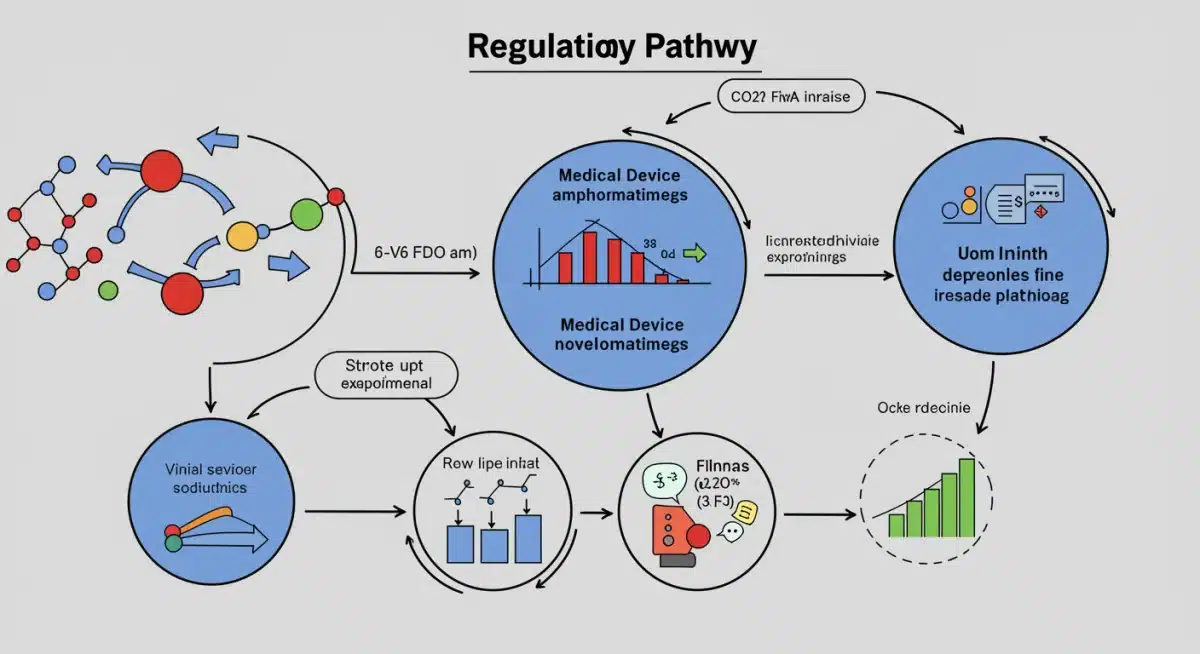
- Software as a Medical Device (SaMD) Guidelines: Clearer pathways for SaMD, focusing on its intended use and risk profile rather than traditional hardware-centric assessments.
- AI/ML Algorithm Validation: Requirements for continuous learning algorithms, including provisions for managing algorithm changes and ensuring ongoing performance and safety.
- Interoperability and Data Security: Emphasizing the need for secure, interoperable digital health solutions that protect patient data while facilitating seamless integration into healthcare systems.
Manufacturers developing digital health products must now prioritize robust validation strategies that account for the dynamic nature of software and algorithms. This includes demonstrating not only initial efficacy but also the ability to maintain safety and effectiveness as the technology evolves. Embracing RWE and mastering the nuances of digital health regulation will be paramount for success in the post-2025 landscape, enabling faster market access for truly impactful innovations.
Challenges and Opportunities for Startups and SMEs
While the 2025 FDA regulatory changes present formidable challenges for established players, they also unlock unique opportunities for startups and small to medium-sized enterprises (SMEs) in the medical device sector. Agility, innovation, and a lean operational structure can become significant advantages in navigating the new regulatory waters, provided these companies are strategic and well-informed.
One of the primary challenges for smaller entities will be the increased burden of data generation and management, particularly concerning real-world evidence and digital health oversight. Building the necessary infrastructure and expertise can be resource-intensive. However, this also creates an opportunity for specialized partnerships and collaborations that can offload some of this burden.
Leveraging Agility for Competitive Advantage
Startups, by their nature, are often more agile and adaptable than larger corporations. This inherent flexibility can be a critical asset in responding to evolving regulatory requirements and adopting new evidence generation strategies.
- Niche Market Focus: Concentrating on specific, underserved market segments where a novel device can demonstrate clear clinical utility with targeted evidence.
- Strategic Partnerships: Collaborating with academic institutions, data analytics firms, or larger established companies to access resources and expertise for RWE and regulatory submissions.
- Innovative Funding Models: Exploring funding avenues that specifically support regulatory compliance and evidence generation for novel medical technologies.
The FDA’s push for more patient-centric approaches and the acceptance of diverse evidence types could also benefit startups. By focusing on unmet patient needs and developing devices that genuinely improve quality of life, smaller companies can build compelling cases for approval, even with limited traditional clinical trial data. The key will be to meticulously plan regulatory strategies from the outset, integrating compliance into the very fabric of their product development process, rather than treating it as an afterthought. This proactive approach allows startups to turn potential obstacles into pathways for accelerated market entry and sustained growth.
Strategic Preparedness: A Roadmap for Success
Navigating the 2025 FDA regulatory changes demands a comprehensive and proactive strategy, particularly for medical device companies aiming to maintain their competitive edge and continue innovating. Mere compliance will no longer suffice; true success will hinge on strategic foresight and an adaptive organizational culture.
The initial step in strategic preparedness involves a thorough internal audit of current product pipelines, R&D processes, and regulatory affairs capabilities. Companies must identify gaps in their data collection, analysis, and cybersecurity frameworks, especially in light of the increased emphasis on real-world evidence and digital health oversight. This self-assessment forms the foundation for developing a targeted action plan.
Key Strategic Action Points
Developing a robust roadmap for success requires a multi-faceted approach, addressing various aspects of the business from product conception to post-market surveillance.
- Invest in Data Infrastructure: Upgrade systems for collecting, managing, and analyzing diverse data types, including RWE and patient-generated data, ensuring data integrity and security.
- Upskill Regulatory Teams: Provide continuous training for regulatory affairs professionals on the nuances of the new guidelines, particularly concerning digital health, AI, and RWE.
- Foster Cross-Functional Collaboration: Break down silos between R&D, clinical affairs, regulatory, and marketing teams to ensure a unified approach to product development and market entry.
- Engage Proactively with the FDA: Seek pre-submission meetings and utilize existing FDA programs to gain clarity on specific device pathways and evidence requirements.
Ultimately, strategic preparedness is about transforming potential challenges into opportunities for innovation and growth. By embedding regulatory considerations into the core of their business strategy, medical device companies can not only meet the 2025 FDA requirements but also thrive in the new regulatory paradigm, bringing groundbreaking technologies to patients faster and more safely than ever before. This forward-thinking approach will differentiate leaders from followers in the evolving medical device landscape.
| Key Aspect | Brief Description |
|---|---|
| Real-World Evidence | Increased reliance on real-world data for device evaluation and post-market surveillance. |
| Digital Health Oversight | Expanded and clearer regulations for SaMD, AI/ML, and connected medical devices. |
| Patient-Centric Approach | Greater integration of patient perspectives in device development and assessment. |
| Cybersecurity Focus | Stricter requirements for securing medical devices against cyber threats. |
Frequently Asked Questions About 2025 FDA Changes
The changes are driven by the rapid evolution of medical technology, including AI and digital health, the need for more efficient approval pathways, and a desire to enhance patient safety through real-world evidence. The FDA aims to modernize its framework to keep pace with innovation while maintaining rigorous oversight.
RWE will play a more significant role in both pre-market and post-market evaluations. It offers a broader view of device performance in real-world settings, complementing traditional clinical trials. Manufacturers must develop robust systems for collecting and analyzing this data to support submissions.
The new framework introduces clearer classification guidelines for SaMD, specific requirements for AI/ML algorithm transparency and validation, and enhanced cybersecurity standards. These changes aim to provide a predictable regulatory path for rapidly evolving digital health innovations.
Startups may face challenges related to increased data infrastructure requirements and regulatory expertise. However, their agility and focus on niche markets can be advantages. Strategic partnerships and proactive engagement with the FDA are crucial for overcoming these hurdles.
Manufacturers should conduct internal audits, invest in data infrastructure, upskill regulatory teams, foster cross-functional collaboration, and engage proactively with the FDA. A strategic, adaptive approach will be key to navigating the new regulatory landscape effectively and seizing new opportunities.
Conclusion
The 2025 FDA regulatory changes herald a transformative era for medical device innovation. While presenting complex challenges, particularly in data management and digital health oversight, they also open new avenues for agile development, patient-centric solutions, and the strategic integration of real-world evidence. Proactive engagement, continuous learning, and a commitment to adapting business processes will be paramount for manufacturers seeking to thrive in this evolving landscape. The future of medical technology is not just about groundbreaking inventions, but also about the intelligent navigation of the frameworks that ensure their safe and effective delivery to those who need them most.