Navigating 2026 Federal Student Aid Changes: 5 Key Updates for US College Applicants

Anúncios
Navigating 2026 Federal Student Aid Changes: 5 Key Updates for US College Applicants
The landscape of higher education financing is constantly evolving, and for those planning to attend college in 2026, understanding the upcoming changes to Federal Student Aid 2026 is paramount. These adjustments can significantly impact your eligibility, the amount of aid you receive, and ultimately, your educational journey. This comprehensive guide will break down the five most crucial updates, offering insights and actionable advice to help you prepare effectively.
Anúncios
Introduction: Why Understanding Federal Student Aid 2026 is Crucial Now
For many aspiring college students in the United States, federal student aid is the cornerstone of their ability to pursue higher education. Grants, scholarships, work-study programs, and federal loans make college accessible to millions. However, the rules and regulations governing this aid are not static. The U.S. Department of Education periodically implements changes to streamline processes, address economic shifts, and better serve students.
The 2026 academic year is set to introduce several significant modifications that prospective students and their families need to be aware of well in advance. These aren’t minor tweaks; they represent fundamental shifts in how aid is calculated, applied for, and distributed. Proactive understanding of these changes to Federal Student Aid 2026 will enable you to plan your finances more effectively, maximize your aid potential, and reduce stress during the college application process.
From the simplification of the Free Application for Federal Student Aid (FAFSA) to new methodologies for determining financial need, each update carries implications for your financial future. Let’s delve into these key changes and equip you with the knowledge you need to navigate the path to higher education with confidence.
Key Update 1: The Continued Evolution of FAFSA Simplification
The Free Application for Federal Student Aid (FAFSA) has undergone a substantial overhaul in recent years, and this simplification process continues to refine how students apply for aid. For Federal Student Aid 2026, applicants can expect further enhancements aimed at making the form more user-friendly and less burdensome. The goal is to reduce barriers to application, ensuring that more eligible students can access the financial support they deserve.
What FAFSA Simplification Means for You:
- Fewer Questions: The FAFSA form has been significantly shortened, reducing the number of questions from over 100 to approximately 36. This cuts down on the time and effort required to complete the application.
- Direct Data Exchange with IRS: A major improvement is the mandatory direct data exchange with the IRS. This means most applicants will no longer need to manually input tax information. The IRS will directly transfer necessary financial data to the FAFSA, reducing errors and saving time. This is a critical component for Federal Student Aid 2026 planning.
- Streamlined Dependency Status: The criteria for determining dependency status have been simplified, which may affect how certain students, particularly those with complex family situations, complete their forms.
- Expanded Eligibility: The simplified FAFSA is designed to identify more students who qualify for federal aid, potentially opening doors for individuals who previously thought they were ineligible.
While the simplified FAFSA aims for ease, it’s crucial to understand the new terminology and processes. Familiarize yourself with the updated FAFSA portal and any new guides released by the Department of Education. Early engagement with the new form will prevent last-minute confusion and ensure your application for Federal Student Aid 2026 is submitted accurately and on time.
Key Update 2: Introduction of the Student Aid Index (SAI)
Perhaps one of the most significant changes impacting Federal Student Aid 2026 is the replacement of the Expected Family Contribution (EFC) with the Student Aid Index (SAI). The SAI is a new methodology for determining a student’s eligibility for need-based federal student aid. While it serves a similar purpose to the EFC, its calculation includes several key differences that can alter a student’s aid package.
How the SAI Differs from EFC:
- Minimum SAI Value: Unlike the EFC, which could not go below zero, the SAI can be a negative number, down to -1,500. This change is particularly beneficial for students with significant financial need, as it can indicate a higher level of need and potentially unlock more aid.
- No Automatic Enrollment for Siblings: Under the EFC, having multiple children in college simultaneously often led to a significant reduction in the EFC per student. The SAI calculation removes this benefit. This means families with multiple college-bound children may see their individual aid offers change, requiring careful planning for Federal Student Aid 2026.
- Treatment of Small Businesses and Farms: The SAI now requires the inclusion of the value of a family’s small business or farm, regardless of its size, if it is owned and controlled by the family and has more than 100 full-time equivalent employees. This was not always the case with the EFC, potentially impacting families who own these assets.
- Child Support: Child support received is now reported as an asset, not as untaxed income, which can also affect the SAI calculation.
Understanding your potential SAI is critical. Many universities and financial aid calculators are updating their systems to reflect this new metric. It’s advisable to use these tools to get an estimate of your SAI, which will give you a clearer picture of your expected financial contribution and your potential eligibility for Federal Student Aid 2026.

Key Update 3: Expanded Pell Grant Eligibility and Calculations
The Pell Grant, a foundational federal grant program for undergraduate students with exceptional financial need, is also undergoing significant changes for Federal Student Aid 2026. These changes are primarily aimed at expanding access and increasing the number of students who can benefit from this crucial form of aid.
What’s New for Pell Grants:
- Increased Access Based on Family Size and Income: Eligibility for Pell Grants will be tied more directly to family size and the federal poverty level. Students whose family adjusted gross income (AGI) falls within 175% (or 225% for single-parent households) of the federal poverty level will now qualify for the maximum Pell Grant, regardless of their SAI. This is a substantial expansion of eligibility for Federal Student Aid 2026.
- Minimum and Maximum Pell Grant Amounts: The changes ensure that more students qualify for at least a minimum Pell Grant, even if their SAI is higher than previously allowed. Conversely, students with the lowest SAIs will continue to receive the maximum Pell Grant.
- Lifetime Eligibility Units (LEU) Clarity: While the LEU remains a factor (limiting Pell Grant eligibility to 12 full-time semesters or its equivalent), the updated system aims to provide clearer communication regarding a student’s remaining eligibility.
These changes are designed to make higher education more affordable for a broader range of students. If you previously thought you wouldn’t qualify for a Pell Grant, or only for a small amount, the new criteria for Federal Student Aid 2026 might change that. It’s essential to complete the FAFSA, as this is the only way to determine your official Pell Grant eligibility.
Key Update 4: Changes to Federal Student Loan Programs
While the core federal student loan programs (Direct Subsidized and Unsubsidized Loans) remain largely consistent, there are subtle but important adjustments and considerations for Federal Student Aid 2026 that borrowers should be aware of. These changes often relate to interest accrual, repayment options, and the overall management of student debt.
What to Know About Federal Loans:
- Interest Accrual on Subsidized Loans: A significant benefit of Direct Subsidized Loans is that the government pays the interest while you are in school at least half-time, during your grace period, and during deferment. While this core benefit remains, it’s always crucial to stay informed about any potential legislative changes that could impact interest accrual policies in the future.
- Income-Driven Repayment (IDR) Plans: The Department of Education continues to refine and promote Income-Driven Repayment plans, such as the SAVE plan (Saving on a Valuable Education). For Federal Student Aid 2026, expect continued emphasis on these plans, which adjust monthly payments based on income and family size. Understanding these options early can be critical for managing future loan burdens.
- Public Service Loan Forgiveness (PSLF): The PSLF program continues to be a vital option for borrowers working in public service. While the program itself isn’t seeing drastic changes for 2026, consistent updates to eligibility requirements and application processes are common. If you plan a career in public service, keep a close eye on PSLF guidelines.
- Loan Limits and Interest Rates: While annual and aggregate loan limits for federal student loans are periodically reviewed, significant changes are less frequent. However, interest rates for federal loans are set annually by Congress and can fluctuate. Always check the most current rates when preparing your financial plan for Federal Student Aid 2026.
Borrowing federal student loans should always be a carefully considered decision. Understand the terms, interest rates, and repayment options before committing. Federal loans generally offer more protections and flexible repayment plans than private loans, making them a preferred option for many students.
Key Update 5: Enhanced Communication and Resources for Applicants
Recognizing the complexity of financial aid, the Department of Education is committed to providing clearer, more accessible information and resources for students and families applying for Federal Student Aid 2026. This focus on enhanced communication aims to demystify the process and empower applicants to make informed decisions.
What to Expect in Terms of Support:
- Improved FAFSA.gov Website: The official FAFSA website is continually being updated with clearer instructions, FAQs, and interactive tools to guide applicants through the process. Expect a more intuitive user experience for Federal Student Aid 2026.
- Direct Outreach and Support: The Department of Education, along with colleges and universities, will likely increase direct outreach to students and families about the changes. This could include webinars, workshops, and informational campaigns.
- Updated Calculators and Estimators: Online tools for estimating SAI and potential aid eligibility are being refined. These resources will be invaluable for early financial planning.
- Clearer Financial Aid Offer Letters: While colleges issue their own financial aid offer letters, there’s a push for more standardized and transparent formats. This will help students better understand the breakdown of grants, scholarships, and loans being offered.
Leverage these enhanced resources! Don’t hesitate to contact your prospective college’s financial aid office with questions. They are your primary resource for understanding how these federal changes translate into your specific aid package and for navigating the application process for Federal Student Aid 2026.
Preparing for Federal Student Aid 2026: Actionable Steps
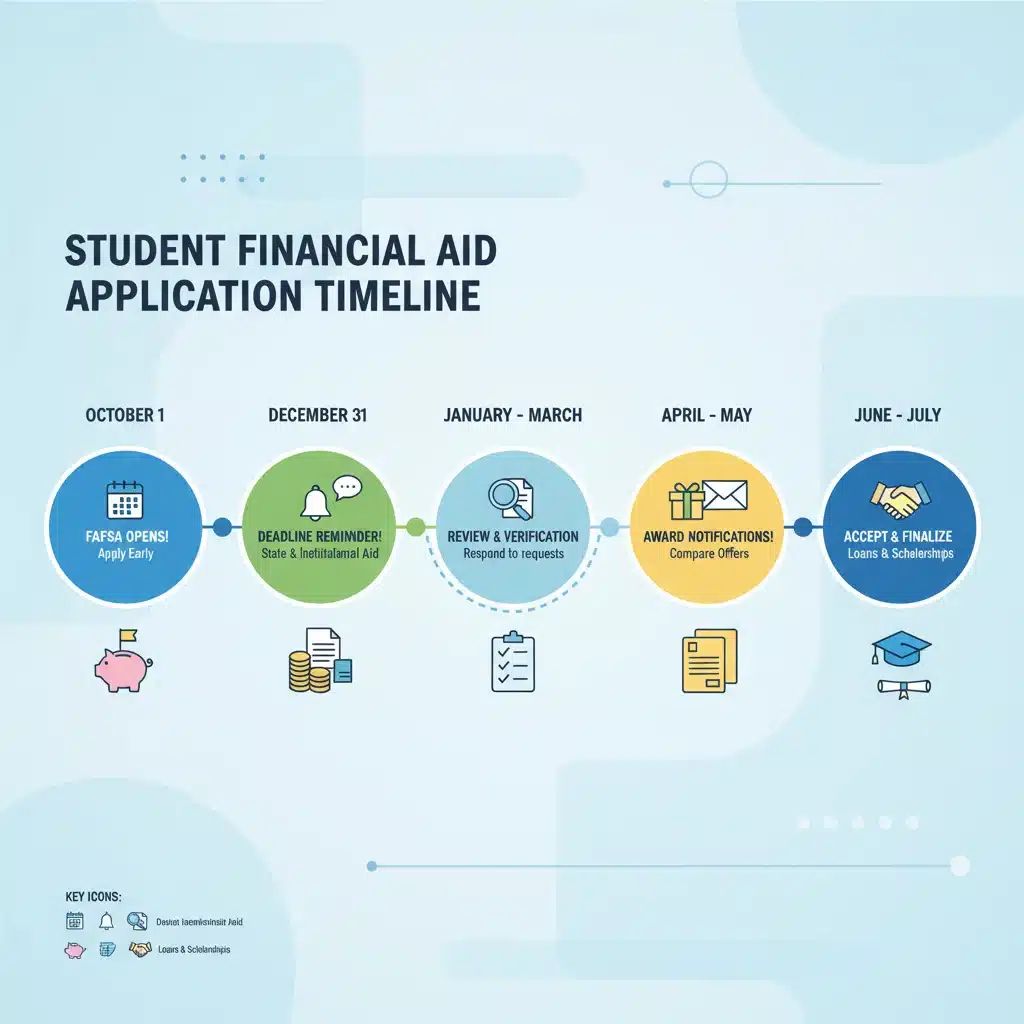
Understanding the changes is the first step; taking action is the next. To ensure you are fully prepared for the Federal Student Aid 2026 application cycle, consider these actionable steps:
1. Stay Informed and Monitor Official Sources:
- Regularly check the official Federal Student Aid website (StudentAid.gov) for the most up-to-date information, guides, and announcements.
- Follow educational news outlets and financial aid blogs for expert analysis and tips.
2. Gather Necessary Documentation Early:
- Even with direct IRS data exchange, you’ll still need access to your and your parents’ (if dependent) tax returns from two years prior (e.g., for the 2026-2027 academic year, you’ll need 2024 tax information).
- Collect records of untaxed income, assets (savings, investments, real estate equity if applicable), and other financial documents.
3. Create an FSA ID:
- Both the student and at least one parent (if the student is dependent) will need a Federal Student Aid (FSA) ID to access the FAFSA online. Create these well in advance, as it can take a few days for them to be processed and verified.
4. Understand Your Student Aid Index (SAI):
- Use online SAI estimators to get a preliminary idea of your financial need. This will help you anticipate your aid eligibility.
- Discuss with your family how the new SAI calculation might impact your financial contribution, especially if you have multiple children attending college.
5. Prioritize FAFSA Submission:
- Submit your FAFSA as soon as it becomes available (typically October 1st of the year prior to the academic year you’re applying for, though this date has seen changes). Many aid programs, especially state and institutional grants, are awarded on a first-come, first-served basis.
- Double-check all information before submitting to avoid delays.
6. Explore All Aid Avenues:
- Don’t limit yourself to federal aid. Research state aid programs, institutional scholarships from colleges, and private scholarships.
- Many scholarships have early deadlines, so start your search well in advance.
7. Engage with Financial Aid Offices:
- Once you receive aid offers, compare them carefully.
- If you have questions or believe your financial circumstances have changed significantly, reach out to the financial aid office at your prospective colleges. They can provide clarification and sometimes offer professional judgment reviews.
By proactively addressing these areas, you can significantly enhance your chances of securing the maximum possible Federal Student Aid 2026 and making your college dreams a reality.
Common Misconceptions About Federal Student Aid
Despite ongoing efforts to simplify and clarify the financial aid process, several common misconceptions persist among students and families. Dispelling these myths is crucial for effective planning for Federal Student Aid 2026.
Myth 1: My Family Makes Too Much Money for Aid.
Reality: This is perhaps the most prevalent misconception. Many families mistakenly believe their income is too high to qualify for any federal aid. However, eligibility is based on a complex formula (now the SAI) that considers income, assets, family size, and the number of family members in college. Even high-income families might qualify for unsubsidized federal loans, which are often more favorable than private loans. Furthermore, some institutional scholarships are merit-based, not solely need-based. Always complete the FAFSA; you might be surprised by what you qualify for.
Myth 2: FAFSA is Too Complicated and Time-Consuming.
Reality: While the FAFSA has historically been perceived as daunting, the ongoing simplification efforts, particularly the direct data exchange with the IRS and the reduced number of questions, have made it significantly easier and quicker to complete. For Federal Student Aid 2026, the process is more streamlined than ever. The time invested in completing the FAFSA is minimal compared to the potential financial benefits.
Myth 3: Only the Smartest Students Get Scholarships and Grants.
Reality: While academic merit scholarships exist, a vast array of grants and scholarships are available based on financial need (like the Pell Grant), extracurricular activities, community service, specific talents, ethnicity, religion, intended major, or even unique hobbies. The key is diligent research and application. Don’t limit your search based on academic performance alone when seeking aid for Federal Student Aid 2026.
Myth 4: Applying for Aid Means Taking on Debt.
Reality: The FAFSA is the gateway to all types of federal student aid, including grants (which do not need to be repaid) and work-study programs (where you earn money through a job). While federal loans are a component of financial aid, you are never obligated to accept the full amount, or any amount, offered. You can accept only what you need. The FAFSA simply determines your eligibility for the full spectrum of federal programs.
Myth 5: It’s Too Late to Apply for Aid.
Reality: While early application is always recommended due to priority deadlines and limited funds, it’s rarely “too late” to apply for some form of federal aid. Federal student loans, for instance, often have later deadlines than grants. Even if you miss a priority deadline, it’s still worth completing the FAFSA to see what aid you might be eligible for. For Federal Student Aid 2026, be aware of both federal and institutional deadlines.
By understanding and debunking these common myths, students and families can approach the financial aid process with a clearer perspective and make more informed decisions about funding their education.