Inclusive Education Technology: Best Practices for US Schools in 2026
Anúncios
The landscape of education is constantly evolving, driven by pedagogical advancements, societal changes, and, perhaps most significantly, technological innovation. As we look towards 2026, the imperative to create truly inclusive learning environments within US schools is more critical than ever. Inclusive education aims to ensure that all students, regardless of their abilities, backgrounds, or learning styles, have equitable access to high-quality education and the support they need to thrive. Technology stands as a powerful enabler in this mission, offering unprecedented opportunities to personalize learning, remove barriers, and foster a sense of belonging for every student. This comprehensive guide will delve into the best practices for leveraging inclusive education technology in US schools by 2026, outlining strategies, tools, and considerations for creating truly accessible and engaging learning experiences.
Anúncios
The Vision for Inclusive Education in 2026
By 2026, the ideal inclusive classroom will be characterized by flexible learning environments, differentiated instruction, and a seamless integration of technology that adapts to individual student needs. This isn’t just about providing tools for students with disabilities; it’s about designing learning experiences that are inherently accessible and beneficial for all. The focus shifts from retrofitting solutions to proactively integrating Universal Design for Learning (UDL) principles, using technology to offer multiple means of engagement, representation, and action & expression. The goal is to move beyond mere compliance with accessibility standards towards a culture of true equity and empowerment.
Understanding the Core Principles of Inclusive Education Technology
At its heart, inclusive education technology is about breaking down barriers to learning. This involves several key principles:
- Accessibility: Ensuring that all digital content, platforms, and devices can be accessed and used by students with diverse needs, including those with visual, auditory, cognitive, and motor impairments.
- Personalization: Tailoring learning experiences to individual student paces, preferences, and strengths, allowing for differentiated instruction at scale.
- Engagement: Utilizing technology to make learning more interactive, motivating, and relevant, fostering deeper connections with content.
- Empowerment: Giving students greater control over their learning journey, promoting independence and self-advocacy.
- Collaboration: Facilitating communication and teamwork among students and between students and educators, fostering a supportive learning community.
Key Technological Pillars for Inclusive Education
1. Assistive Technologies (AT) and Adaptive Tools
Assistive Technology (AT) remains a cornerstone of inclusive education technology. These tools are specifically designed to help individuals with disabilities perform tasks that might otherwise be difficult or impossible. By 2026, the integration of AT will be more seamless and personalized than ever.
Advanced Text-to-Speech (TTS) and Speech-to-Text (STT)
TTS and STT technologies have advanced significantly, offering more natural-sounding voices and highly accurate transcription. For students with reading difficulties (like dyslexia) or visual impairments, TTS can make digital texts accessible. STT, conversely, empowers students with motor impairments or those who struggle with writing to articulate their thoughts verbally, transforming spoken words into written assignments.
- Best Practices:
- Integrated Solutions: Schools should prioritize platforms with built-in TTS/STT capabilities rather than relying solely on external, often clunky, add-ons.
- Personalized Voices: Allowing students to choose voices and speeds that suit their preferences enhances comfort and comprehension.
- Training: Comprehensive training for both students and educators on effective use of these tools is crucial.
Screen Readers and Magnifiers
For students with visual impairments, screen readers (which vocalize on-screen content) and screen magnifiers are indispensable. Advances in AI are making these tools more intelligent, capable of describing images and complex layouts with greater accuracy.
- Best Practices:
- Compatible Content: All digital learning materials (documents, websites, presentations) must be designed to be compatible with screen readers (e.g., proper heading structures, alt text for images).
- High-Contrast Modes: Offering high-contrast display options within software and operating systems benefits students with low vision.
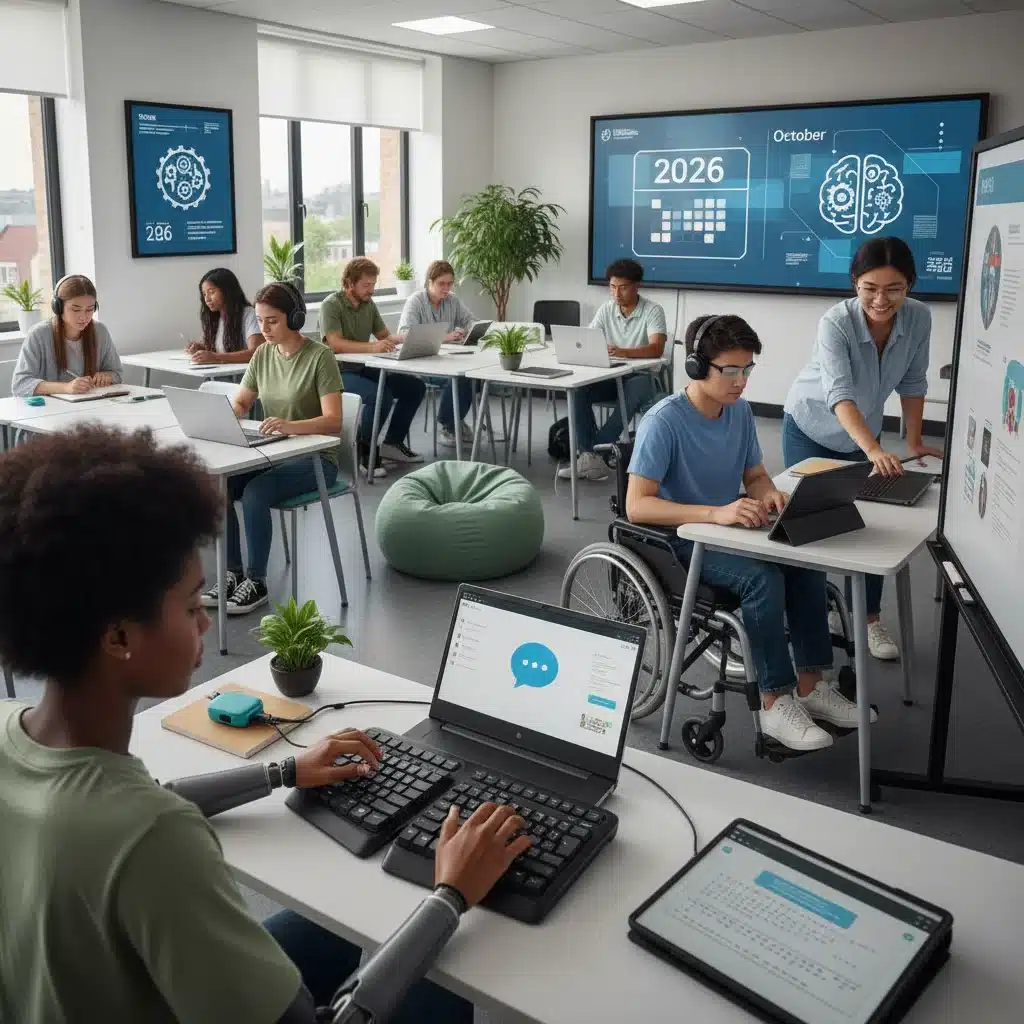
Alternative Input Devices
Students with physical disabilities may struggle with standard keyboards and mice. Inclusive education technology includes a range of alternative input devices:
- Adaptive Keyboards: Larger keys, different layouts, or on-screen keyboards.
- Eye-Tracking Devices: Allowing users to control computers with their gaze.
- Switch Access: Enabling control through single buttons or switches for students with limited motor control.
- Voice Control: Advanced voice recognition systems that allow full computer navigation and input using voice commands.
- Best Practices:
- Individual Assessment: Regular assessments to match students with the most appropriate input devices.
- Device Integration: Ensuring these devices seamlessly integrate with school-provided hardware and software.
Augmentative and Alternative Communication (AAC) Devices
For students with complex communication needs, AAC devices provide a means to express themselves. These can range from simple picture boards to sophisticated speech-generating devices.
- Best Practices:
- Early Intervention: Introducing AAC early to support language development.
- Family Involvement: Training families to use AAC at home to reinforce communication skills.
- Personalized Vocabulary: Customizing AAC devices with relevant vocabulary for each student.
2. Personalized Learning Platforms and Adaptive Software
Personalized learning is a pedagogical approach that tailors instruction to meet individual student needs, interests, and learning styles. Technology makes this approach scalable and effective, forming a crucial part of inclusive education technology.
AI-Driven Adaptive Learning Systems
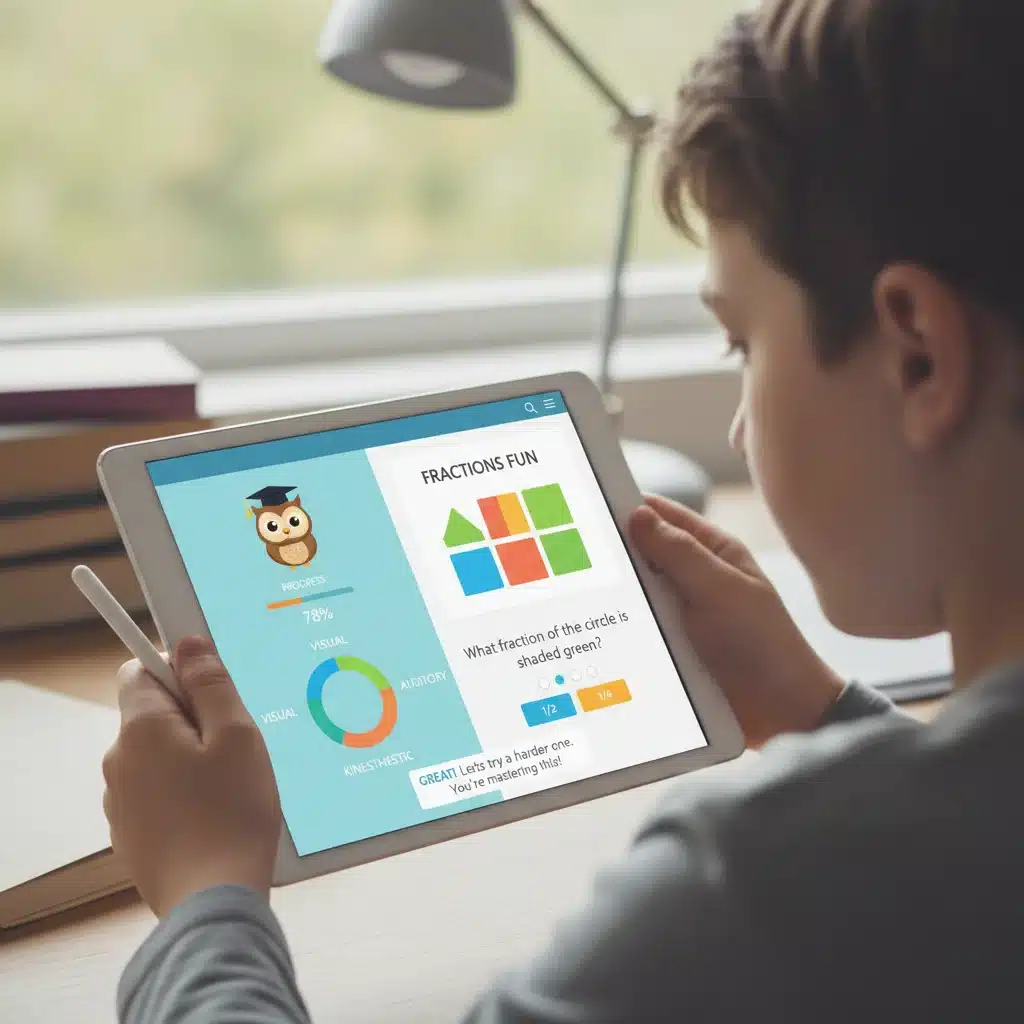
By 2026, AI will play an even more significant role in adaptive learning. These systems analyze student performance in real-time, identify areas of struggle or mastery, and then adjust the content, pace, and instructional strategies accordingly. This ensures students are always challenged appropriately, preventing boredom for advanced learners and providing necessary support for those who need more time.
- Best Practices:
- Data Privacy: Implement robust data privacy protocols to protect student information.
- Teacher Oversight: AI should augment, not replace, teachers. Educators need tools to monitor student progress and intervene when necessary.
- Curriculum Alignment: Ensure adaptive systems align with state and national curriculum standards.
Differentiated Content Delivery
Technology allows for the easy differentiation of content. Teachers can provide multiple formats for information (e.g., video, audio, text, interactive simulations) and varying levels of complexity, ensuring all students can access and understand core concepts.
- Best Practices:
- Curated Resources: Teachers should be trained to curate and create diverse digital resources.
- Student Choice: Empower students to choose how they want to learn and demonstrate their understanding.
Gamification for Engagement
Educational games and gamified learning platforms can significantly boost student engagement, especially for those who struggle with traditional learning methods. These platforms often provide immediate feedback, clear goals, and rewards, fostering a sense of achievement.
- Best Practices:
- Purposeful Design: Ensure games are designed with clear learning objectives, not just entertainment.
- Accessibility in Games: Games themselves must be accessible, with customizable controls, captions, and clear visual/auditory cues.
3. Universal Design for Learning (UDL) Integration
UDL is a framework that guides the design of learning environments and instructional activities to make them accessible and engaging for all. Technology is a key enabler of UDL, allowing educators to provide multiple means of engagement, representation, and action & expression.
Multiple Means of Representation
Technology allows information to be presented in various formats:
- Multimedia Content: Videos, animations, interactive diagrams, and virtual field trips cater to different learning styles and sensory preferences.
- Flexible Text Formats: Adjustable font sizes, colors, spacing, and the option for text-to-speech or translation.
- Conceptual Tools: Digital graphic organizers, mind-mapping software, and concept mapping tools help students organize and understand complex information.
Multiple Means of Action & Expression
Students can demonstrate their learning in diverse ways using technology:
- Digital Creation Tools: Students can create presentations, podcasts, videos, digital art, or interactive stories instead of traditional essays.
- Speech-to-Text and Dictation: As mentioned, these tools allow students to express ideas verbally.
- Adaptive Assessments: Offering assessments in various formats (e.g., oral, multiple-choice with read-aloud, project-based) to accurately measure understanding.
Multiple Means of Engagement
Technology can foster motivation and sustained effort:
- Interactive Simulations: Virtual labs and simulations allow students to experiment and learn from mistakes without real-world consequences.
- Collaborative Platforms: Online discussion forums, shared documents, and project management tools promote peer interaction and group work.
- Personalized Feedback: Digital tools can provide immediate, constructive feedback, helping students understand their progress and areas for improvement.
4. Immersive Technologies: VR and AR
Virtual Reality (VR) and Augmented Reality (AR) are emerging as powerful tools for inclusive education technology, offering immersive and engaging learning experiences.
Virtual Field Trips and Simulations
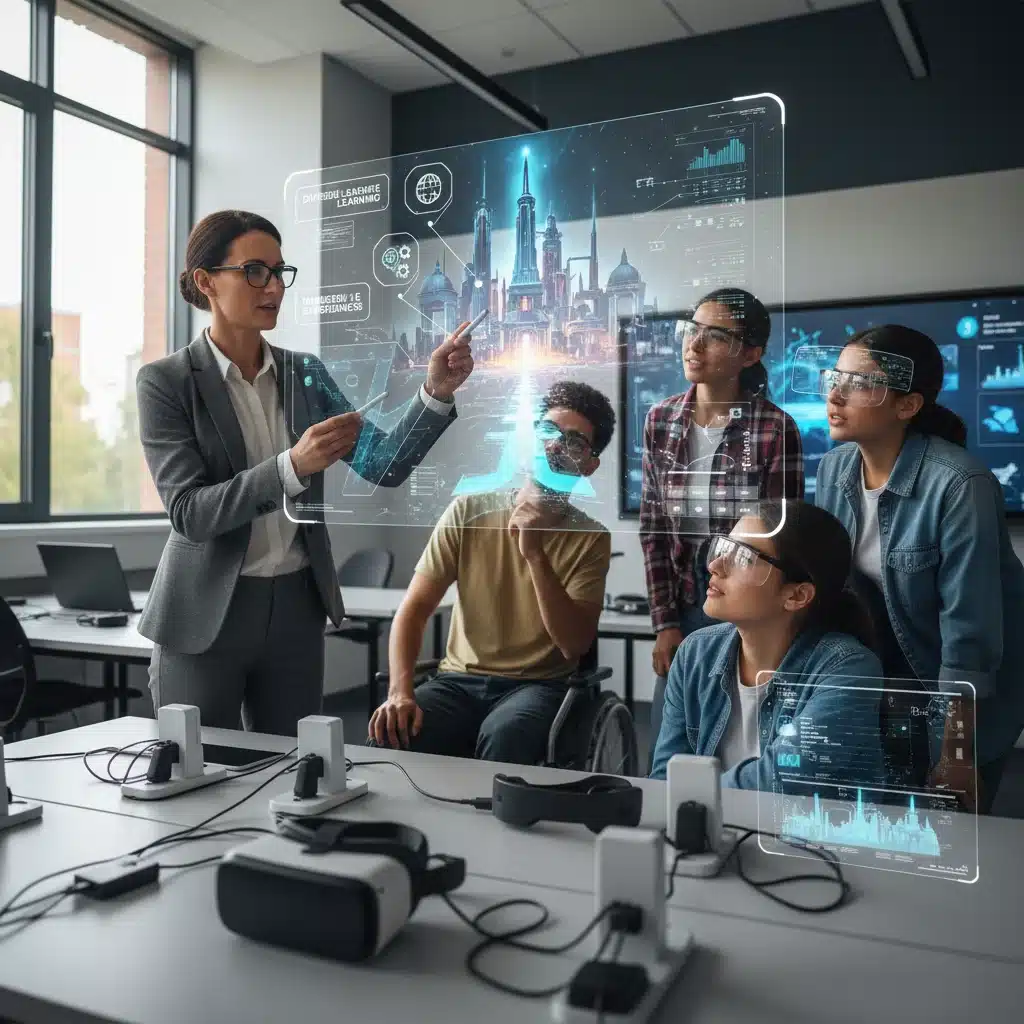
VR can transport students to historical sites, distant lands, or inside the human body, providing experiences that might otherwise be inaccessible due to physical limitations, cost, or safety concerns. This is particularly beneficial for students with mobility issues or those who thrive in experiential learning.
- Best Practices:
- Curriculum Integration: Ensure VR experiences are directly tied to learning objectives.
- Motion Sickness Mitigation: Be mindful of potential motion sickness and offer alternative viewing options.
AR for Enhanced Learning
AR overlays digital information onto the real world, enriching existing learning materials. For example, students can use AR apps to view 3D models of organs on a textbook page or interact with virtual elements in their physical classroom. This can make abstract concepts more concrete and engaging for diverse learners.
- Best Practices:
- Device Availability: Ensure adequate access to AR-compatible devices (smartphones, tablets).
- Teacher Training: Equip educators with the skills to design and implement AR-enhanced lessons.
Strategic Implementation of Inclusive Education Technology in US Schools by 2026
Implementing inclusive education technology effectively requires a multi-faceted approach, extending beyond merely purchasing devices.
1. Robust Infrastructure and Equitable Access
The foundation of any successful technology integration is a reliable and accessible infrastructure. By 2026, every US school must ensure:
- High-Speed Internet: Ubiquitous, reliable, and high-speed internet access across all school facilities and, ideally, support for home access where needed.
- Device Availability: A sufficient number of devices (laptops, tablets, specialized AT) to meet student needs, with mechanisms for maintenance and replacement.
- Assistive Technology Support: Dedicated IT support and specialists for assistive technologies, ensuring devices are configured correctly and issues are resolved promptly.
- Digital Equity Initiatives: Programs to address the digital divide, providing devices and internet access to students from low-income households.
2. Comprehensive Professional Development for Educators
Technology is only as effective as the educators who wield it. By 2026, professional development must be ongoing, relevant, and focused on pedagogical integration.
- UDL-Focused Training: Training that emphasizes how to apply UDL principles through technology to design universally accessible lessons.
- Assistive Technology Proficiency: Educators, especially special education teachers, paraprofessionals, and general education teachers, need to be proficient in identifying, implementing, and troubleshooting common AT tools.
- Data-Driven Instruction: Training on how to use data from personalized learning platforms to inform instructional decisions and provide targeted support.
- Continuous Learning: A culture of continuous learning where educators can explore new tools, share best practices, and collaborate on technology integration strategies.
3. Curriculum and Content Development
The content itself must be designed with inclusivity in mind from the outset.
- Digital-First Approach: Prioritize the creation or adoption of digital learning materials that are inherently accessible (e.g., properly tagged PDFs, HTML-based content, captioned videos).
- Open Educational Resources (OER): Leverage OER that can be easily adapted and customized to meet diverse student needs, often more flexibly than commercial textbooks.
- Accessible Authoring Tools: Provide educators with accessible content creation tools that guide them in producing inclusive materials (e.g., prompting for alt text, captioning options).
4. Student and Family Engagement
Inclusive education is a collaborative effort involving students, families, and school staff.
- Student Voice: Involve students in the selection and evaluation of technology tools. Their insights into what works best for their learning are invaluable.
- Family Training and Support: Offer workshops and resources for families on how to use and support inclusive education technology at home, fostering consistency between school and home environments.
- Digital Citizenship: Educate students and families on responsible and safe use of technology, including online etiquette and privacy.
5. Policy and Funding
Supportive policies and adequate funding are critical enablers for widespread adoption of inclusive education technology.
- State and Federal Initiatives: Advocate for and leverage state and federal funding specifically allocated for AT, digital infrastructure, and professional development in inclusive technology.
- Procurement Policies: Implement procurement policies that prioritize accessible technology solutions and require vendors to demonstrate adherence to accessibility standards (e.g., WCAG 2.1 AA).
- Clear Guidelines: Develop clear district-wide guidelines for technology usage, data privacy, and the provision of assistive technologies.
Challenges and Considerations for 2026
While the potential of inclusive education technology is immense, several challenges must be addressed to ensure successful implementation:
- Funding Disparities: Ensuring equitable access to technology across all districts, especially those in underserved areas, remains a significant challenge.
- Rapid Technological Change: The pace of technological advancement means schools must have strategies for continuous evaluation, upgrading, and integration of new tools.
- Teacher Burnout: Overburdening teachers with new technology without adequate training and support can lead to burnout. Phased implementation and dedicated support are essential.
- Data Security and Privacy: Protecting student data in an increasingly digital environment is paramount and requires robust security measures and clear policies.
- Digital Divide: Bridging the gap for students who lack reliable internet access or devices at home is crucial for equitable learning opportunities.
- Vendor Lock-in and Interoperability: Schools must navigate a complex ecosystem of vendors, ensuring that chosen technologies can integrate and communicate effectively to avoid fragmented solutions.
Measuring Success in Inclusive Education Technology
To ensure that investments in inclusive education technology are yielding positive results, schools must establish clear metrics for success. These can include:
- Student Achievement: Improved academic outcomes for all students, particularly those with disabilities, as measured by standardized tests, classroom performance, and graduation rates.
- Engagement and Participation: Increased student engagement, attendance, and active participation in learning activities.
- Self-Advocacy and Independence: Enhanced self-advocacy skills and greater independence among students using assistive technologies.
- Teacher Efficacy: Increased teacher confidence and competence in using technology to support diverse learners.
- Accessibility Audits: Regular audits of digital content and platforms to ensure ongoing compliance with accessibility standards.
- Student and Family Satisfaction: Feedback from students and families indicating satisfaction with technological supports and inclusive practices.
Conclusion: A Future of Equitable Learning
By 2026, inclusive education technology will not merely be an add-on but an integral, invisible thread woven throughout the fabric of US education. It holds the promise of transforming classrooms into dynamic, responsive, and equitable spaces where every student can learn, grow, and reach their full potential. Achieving this vision requires a concerted effort from policymakers, administrators, educators, families, and technology providers. By focusing on robust infrastructure, comprehensive professional development, UDL principles, and a commitment to equitable access, US schools can truly harness the power of technology to build a future where inclusive education is not just an aspiration, but a lived reality for every learner.