Maximize Health Benefits 2026: Unlock 15% More Value for Your Company

In the dynamic landscape of corporate benefits, the quest to provide robust health coverage while simultaneously managing costs is a perpetual challenge for HR leaders and executives. As we look ahead to 2026, the imperative to optimize your company’s health benefits program is more critical than ever. This comprehensive guide, ‘Unlocking 15% More Value from Your Company’s Health Benefits: An Insider’s Guide for 2026,’ delves into actionable strategies designed to achieve significant cost savings, enhance employee well-being, and ultimately, bolster your organization’s bottom line. We’ll explore innovative approaches, best practices, and foresight into upcoming trends that will empower you to not just maintain, but substantially improve your health benefits offerings.
The goal isn’t merely to cut expenses but to strategically reallocate resources, ensuring every dollar spent on health benefits contributes meaningfully to employee satisfaction, productivity, and retention. By focusing on smart investments and proactive management, companies can unlock a remarkable 15% or more in value, transforming their benefits package from a necessary expenditure into a powerful strategic asset. This article provides a roadmap to navigate the complexities of modern healthcare, offering insights that will prepare your organization for the challenges and opportunities of 2026.
The Evolving Landscape of Health Benefits in 2026
Understanding the current and future state of health benefits is the first step toward optimization. The year 2026 promises a continuation of several key trends, alongside the emergence of new considerations. Escalating healthcare costs remain a primary concern, driven by inflation, pharmaceutical advancements, and an aging workforce. However, legislative changes, technological innovations, and a heightened focus on employee mental health and well-being are also reshaping how companies approach their benefits strategies. Employers must be agile, adapting their plans to meet both financial objectives and the evolving needs of their diverse workforce.
One significant shift is the increasing demand for personalized and flexible benefit options. A one-size-fits-all approach is rapidly becoming obsolete. Employees, especially younger generations, expect benefits that cater to their individual circumstances, whether it’s robust mental health support, family planning resources, or flexible spending accounts. Companies that fail to adapt risk losing top talent to competitors offering more tailored and responsive health benefits. Furthermore, the rise of telehealth and digital health platforms continues to revolutionize access to care, offering both convenience and potential cost efficiencies. Integrating these services effectively will be crucial for any forward-thinking health benefits optimization strategy.
Another critical element is the growing emphasis on preventive care and holistic wellness. Shifting from a reactive model of treating illness to a proactive one of preventing it can yield substantial long-term savings and a healthier, more productive workforce. This involves investing in wellness programs that go beyond basic physical health, encompassing mental, emotional, and financial well-being. By understanding these overarching trends, companies can begin to formulate a robust strategy to maximize health benefits in 2026.
Strategic Cost Containment: Beyond Simple Premium Reductions
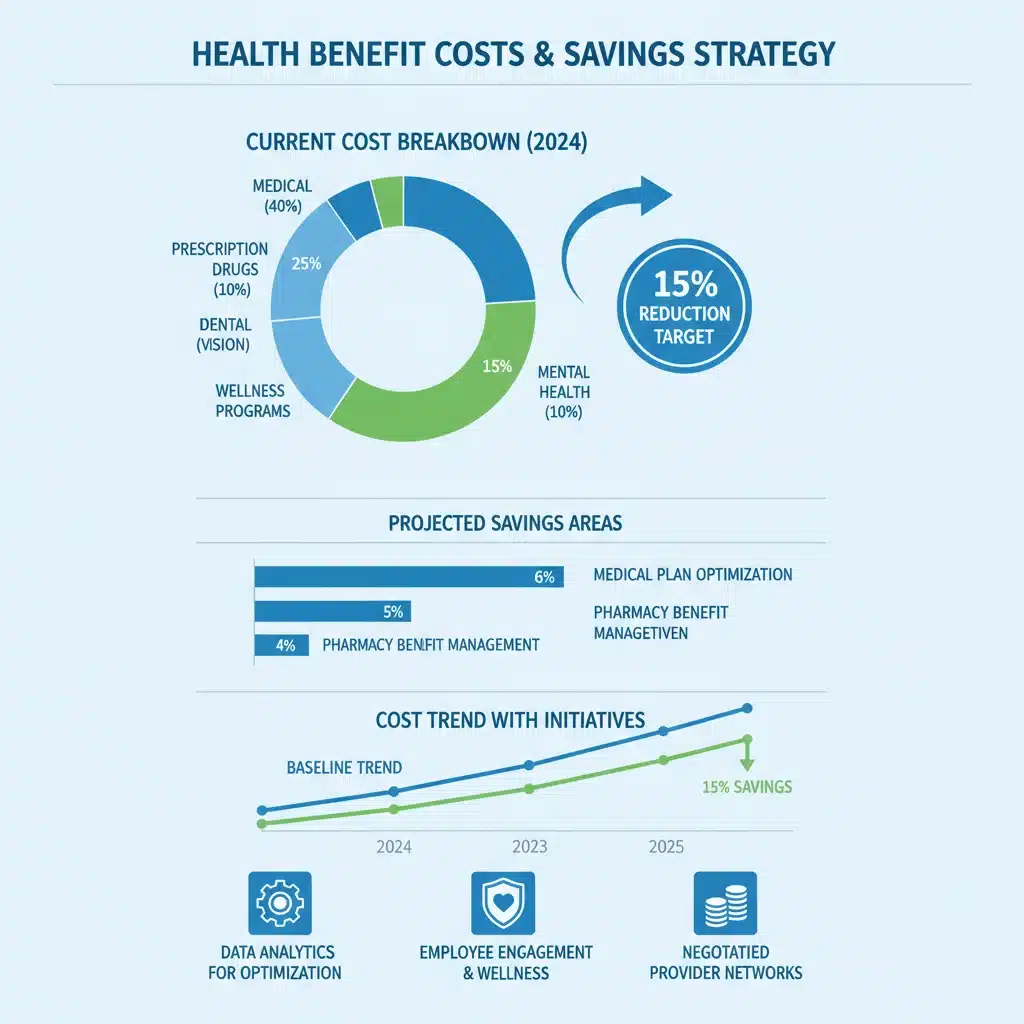
Achieving 15% more value from your health benefits requires a sophisticated approach to cost containment that looks beyond simply negotiating lower premiums. While premium negotiation is important, sustainable savings come from addressing the root causes of rising healthcare expenditures. This involves a multi-faceted strategy that includes plan design adjustments, robust vendor management, and a deep dive into claims data analysis. The goal is to reduce unnecessary spending without compromising the quality or accessibility of care for your employees.
Optimizing Plan Design and Contribution Strategies
Reviewing and refining your plan design is a powerful lever for cost control. Consider high-deductible health plans (HDHPs) paired with Health Savings Accounts (HSAs). While these can initially seem less appealing, when properly communicated and supported, they can empower employees to become more active consumers of healthcare, leading to more mindful utilization. Employer contributions to HSAs can sweeten the deal, making HDHPs an attractive option that encourages savings and responsible spending. Additionally, explore tiered network designs that incentivize employees to use cost-effective providers, such as Accountable Care Organizations (ACOs) or preferred provider networks.
Another area for strategic adjustment is your employee contribution strategy. While shifting too much cost to employees can negatively impact morale, a carefully balanced approach can encourage greater engagement and shared responsibility. Consider a percentage-based contribution model rather than a fixed dollar amount, which can help mitigate the impact of rising premiums over time. Transparency in explaining the value of the benefits and the reasons behind contribution structures is paramount to maintaining employee trust and satisfaction. Remember, the objective is to optimize the overall value of your health benefits, not just reduce the employer’s direct spend.
Leveraging Data Analytics for Informed Decisions
Data is your most powerful ally in the pursuit of health benefits optimization. Comprehensive claims data analysis can reveal patterns of utilization, identify high-cost drivers, and pinpoint areas where interventions could yield significant savings. Are certain chronic conditions prevalent in your workforce? Is there an over-reliance on emergency room visits for non-urgent care? Understanding these trends allows you to implement targeted solutions, such as chronic disease management programs or telehealth initiatives, that address specific needs and reduce avoidable costs. Partner with your broker or a benefits consultant who can provide sophisticated analytics and help you interpret the data effectively.
Furthermore, data analytics can help you evaluate the effectiveness of existing wellness programs. By tracking participation rates, health outcomes, and associated cost reductions, you can demonstrate the ROI of these initiatives and make data-driven decisions about where to invest further. This proactive use of data transforms your health benefits strategy from reactive to predictive, enabling you to anticipate future costs and implement preventative measures. This is a core component of maximizing your health benefits in 2026.
Enhancing Employee Engagement and Well-being for Maximum Impact
Cost containment alone won’t unlock 15% more value; true optimization comes from a healthier, more engaged workforce. Investing in employee well-being not only reduces long-term healthcare costs but also boosts productivity, morale, and retention. This holistic approach to health benefits extends beyond medical coverage to encompass mental, emotional, and financial health.
Implementing Robust Wellness Programs with Measurable Outcomes
Effective wellness programs are no longer a perk; they are a strategic necessity. For 2026, focus on programs that are evidence-based, personalized, and actively promoted. Consider initiatives such as:
- Chronic Disease Management: Programs for diabetes, hypertension, and asthma can significantly reduce complications and associated costs.
- Mental Health Support: Expand access to therapy, counseling, and stress management resources. The stigma around mental health is decreasing, and employees expect comprehensive support.
- Preventive Screenings and Vaccinations: Encourage regular check-ups and screenings to catch health issues early.
- Financial Wellness Programs: Financial stress directly impacts mental and physical health. Offering resources on budgeting, debt management, and retirement planning can alleviate this burden.
- Physical Activity Challenges and Resources: Promote healthy lifestyles through company-wide challenges, subsidized gym memberships, or on-site fitness classes.
Crucially, these programs must be well-communicated and easily accessible. Measure participation rates and, where possible, track health outcomes to demonstrate their impact. Employee feedback is invaluable for refining programs and ensuring they meet actual needs. An engaged workforce is a healthier workforce, directly contributing to the overall value of your health benefits.
Leveraging Technology for Personalized Health Support
Technology plays a pivotal role in delivering personalized health support and maximizing health benefits. Telehealth services have moved from a niche offering to a mainstream component of healthcare, providing convenient and often more affordable access to medical consultations. Encourage their use for non-emergency conditions to reduce ER visits and provide immediate care.
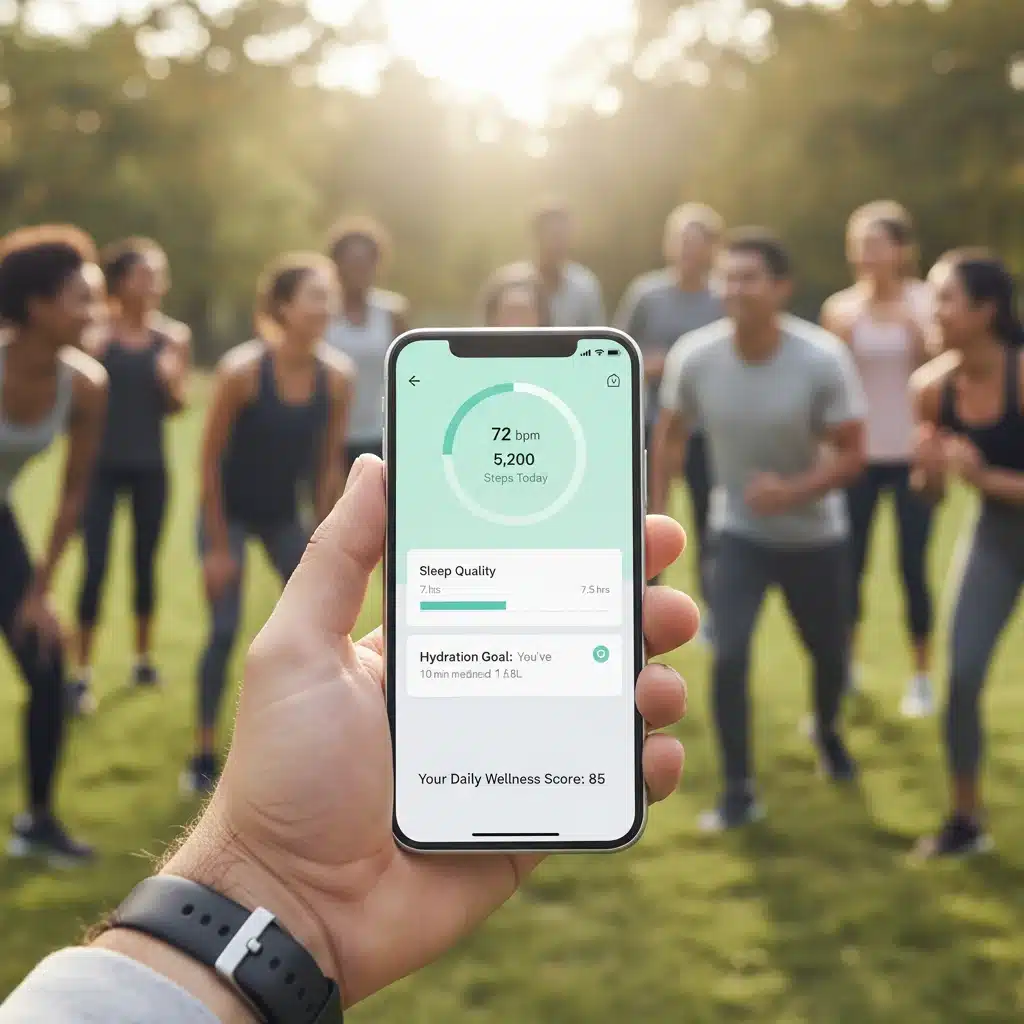
Digital wellness platforms and apps can also be highly effective. These tools can offer personalized health coaching, track fitness goals, provide meditation exercises, and connect employees with mental health resources. Look for platforms that integrate seamlessly with your existing benefits package and offer a user-friendly experience. The aim is to make healthy choices and access to care as easy and intuitive as possible for your employees.
Furthermore, consider how AI and machine learning could be integrated into your benefits communication. Personalized nudges, reminders for preventive screenings, or tailored information about specific benefits can significantly increase utilization and engagement. The more employees actively use and benefit from their health coverage, the greater the return on your investment in health benefits optimization.
Navigating Vendor Relationships and Pharmacy Benefits
Your relationships with benefits vendors, particularly pharmacy benefit managers (PBMs), are critical to unlocking value. These relationships can be complex, but active management and strategic negotiation can yield substantial savings and improved service. For 2026, a proactive approach to vendor management is non-negotiable.
Strategic PBM Negotiations and Transparency
Pharmacy costs represent a significant and often opaque portion of healthcare spending. Your Pharmacy Benefit Manager (PBM) plays a crucial role in managing these costs, but their contracts can be notoriously complex. For 2026, prioritize transparency and aggressive negotiation with your PBM. Demand clear reporting on drug pricing, rebates, and administrative fees. Understand the different pricing models (e.g., pass-through vs. spread pricing) and choose the one that offers the most direct savings to your organization and employees.
Consider conducting a regular PBM audit or engaging an independent consultant to review your PBM contract and performance. Look for opportunities to implement step therapy programs, formulary management strategies, and generic drug utilization initiatives. Educate employees on the cost-saving benefits of generic alternatives and mail-order pharmacies. Even small shifts in pharmacy utilization can lead to substantial savings, directly contributing to your goal of maximizing health benefits.
Evaluating and Managing Other Benefits Vendors
Beyond PBMs, critically evaluate all your benefits vendors, including medical carriers, dental, vision, and wellness program providers. Are they delivering on their promises? Are their services truly impacting employee health and engagement? Regularly review their performance metrics, customer service, and innovation. Don’t be afraid to solicit competitive bids periodically to ensure you are getting the best value for your investment. A strong vendor relationship is a partnership built on trust and mutual benefit, but it also requires accountability.
Consider consolidating vendors where it makes sense to streamline administration and potentially gain leverage in negotiations. However, be wary of sacrificing quality or specialized services for the sake of consolidation. The key is to find the right balance that optimizes both cost and service delivery, ensuring your health benefits program is both efficient and effective. This continuous evaluation is a key strategy for health benefits optimization in 2026.
Compliance and Regulatory Foresight for 2026
Staying compliant with ever-evolving healthcare regulations is not just about avoiding penalties; it’s about building a robust and sustainable health benefits program. For 2026, anticipate potential legislative changes and ensure your benefits strategy is adaptable and resilient. Non-compliance can lead to significant financial repercussions and reputational damage, undermining all efforts to maximize health benefits.
Anticipating Legislative and Regulatory Changes
The healthcare regulatory landscape is in constant flux. While specific changes for 2026 are still developing, employers should monitor legislative activity related to the Affordable Care Act (ACA), mental health parity, prescription drug pricing, and transparency requirements. Engage with industry associations and legal counsel to stay informed about potential impacts on your benefits plans. Proactive planning allows you to adapt your strategy before new regulations become mandatory, preventing last-minute scrambles and ensuring continuous compliance.
For example, new transparency rules requiring hospitals and insurers to disclose negotiated rates are already in effect and likely to be expanded. Leveraging this increased transparency can empower your employees to make more informed healthcare decisions, potentially steering them towards more cost-effective providers and services. Staying ahead of these changes is a critical aspect of effective health benefits optimization.
Ensuring Data Privacy and Security
With the increasing digitization of health information, data privacy and security (HIPAA compliance) are paramount. Breaches can lead to severe fines, loss of trust, and legal challenges. Ensure all your benefits vendors have robust security protocols in place and are fully compliant with HIPAA and other relevant data protection laws. Regularly audit your own internal processes for handling employee health data. A secure benefits environment protects both your employees and your organization, contributing to the overall integrity and value of your health benefits program.
Communication and Education: The Cornerstone of Value Realization
Even the most strategically designed health benefits program will fail to deliver its full value if employees don’t understand it or how to use it effectively. Clear, consistent, and compelling communication is the bedrock of successful health benefits optimization. For 2026, prioritize an employee-centric communication strategy.
Crafting a Comprehensive Benefits Communication Strategy
Your communication strategy should go beyond simply distributing benefits booklets once a year. It needs to be an ongoing dialogue that educates, informs, and empowers employees to make the best choices for their health and financial well-being. Consider a multi-channel approach:
- Personalized Benefits Statements: Show employees the true cost and value of their benefits package, including employer contributions.
- Interactive Tools and Platforms: Utilize benefits portals, decision-support tools, and mobile apps that allow employees to easily compare plans, understand coverage, and access resources.
- Regular Educational Workshops: Offer webinars or in-person sessions on topics like navigating healthcare, understanding HDHPs, or maximizing wellness program participation.
- Targeted Campaigns: Launch specific campaigns throughout the year to promote preventive care, mental health resources, or specific wellness challenges.
- Clear Language: Avoid jargon. Explain complex concepts in simple, understandable terms.
Effective communication ensures employees appreciate the investment your company makes in their health. When employees understand and utilize their benefits wisely, it leads to better health outcomes, reduced absenteeism, and increased satisfaction, all contributing to the 15% value unlock.
Empowering Employees to Be Informed Healthcare Consumers
A significant portion of healthcare costs is driven by uninformed consumer choices. Empowering employees to be savvier healthcare consumers can lead to substantial savings for both them and the company. Educate them on how to:
- Compare Costs: Teach them how to use price transparency tools to compare costs for procedures, medications, and doctors.
- Choose the Right Care Setting: Help them understand when to use an urgent care center versus an emergency room, or when telehealth is appropriate.
- Understand Their Coverage: Ensure they know their deductibles, co-pays, out-of-pocket maximums, and what services are covered.
- Utilize Preventive Care: Emphasize the importance of annual physicals and screenings to catch issues early.
By fostering a culture of informed healthcare consumption, you not only reduce costs but also improve employee health literacy, a valuable skill that benefits them personally and professionally. This proactive approach to employee education is a cornerstone of health benefits optimization.
Measuring Success and Continuous Improvement
Unlocking 15% more value from your company’s health benefits isn’t a one-time project; it’s an ongoing process of measurement, evaluation, and refinement. To ensure sustained success in 2026 and beyond, establish clear metrics and a framework for continuous improvement.
Key Performance Indicators (KPIs) for Health Benefits
To truly understand if you are achieving your 15% value target, you need to track relevant KPIs. These might include:
- Healthcare Cost Per Employee: Monitor trends in overall spending.
- Claims Utilization Rates: Track usage of various services (e.g., primary care, specialty care, ER visits).
- Preventive Care Utilization: Measure the percentage of employees receiving annual physicals, screenings, and vaccinations.
- Wellness Program Participation and Outcomes: Track engagement rates and, where possible, health improvements (e.g., reduction in biometric risks).
- Employee Satisfaction with Benefits: Conduct regular surveys to gauge perception and identify areas for improvement.
- Absenteeism and Presenteeism Rates: While harder to directly link, improvements in health benefits can positively impact these metrics.
- Retention Rates: Competitive and valuable benefits contribute to keeping top talent.
By regularly reviewing these KPIs, you can identify what’s working, what’s not, and where adjustments are needed. This data-driven approach is essential for demonstrating the ROI of your health benefits optimization efforts.
Establishing a Feedback Loop and Iterative Process
Create a mechanism for regular feedback from employees regarding their benefits experience. This could be through surveys, focus groups, or direct channels to HR. Use this feedback, combined with your KPI analysis, to make iterative improvements to your health benefits program. The landscape of healthcare and employee needs is constantly changing, so your benefits strategy must be agile enough to evolve. Schedule annual or semi-annual reviews with your benefits team, broker, and key stakeholders to assess performance and plan for future adjustments. This commitment to continuous improvement ensures that your company consistently maximizes health benefits for its employees and its bottom line.
Conclusion: A Healthier Future for Your Company in 2026
Unlocking 15% more value from your company’s health benefits in 2026 is an ambitious yet achievable goal. It requires a strategic, multi-faceted approach that combines astute cost containment with a genuine commitment to employee well-being. By focusing on optimized plan design, leveraging data analytics, fostering robust wellness programs, strategically managing vendor relationships, ensuring regulatory compliance, and prioritizing clear communication, your organization can transform its health benefits from a significant expense into a powerful driver of success.
The benefits extend far beyond financial savings. A well-designed and effectively managed health benefits program contributes to a healthier, more engaged, and more productive workforce. It enhances your employer brand, aids in talent acquisition and retention, and ultimately, strengthens your company’s overall resilience and competitive edge. As you prepare for 2026, embrace these insights and strategies to build a health benefits program that truly delivers exceptional value for both your organization and its most valuable asset: its people.
The journey to health benefits optimization is continuous, but with a clear roadmap and a commitment to innovation, your company can achieve remarkable results. Start planning today to ensure a healthier, more prosperous future for your organization.