Mortgage Rate Shift: Impact on Real Estate Investors
Anúncios
The Current State of the Housing Market: What a 5% Mortgage Rate Shift Means for Real Estate Investors
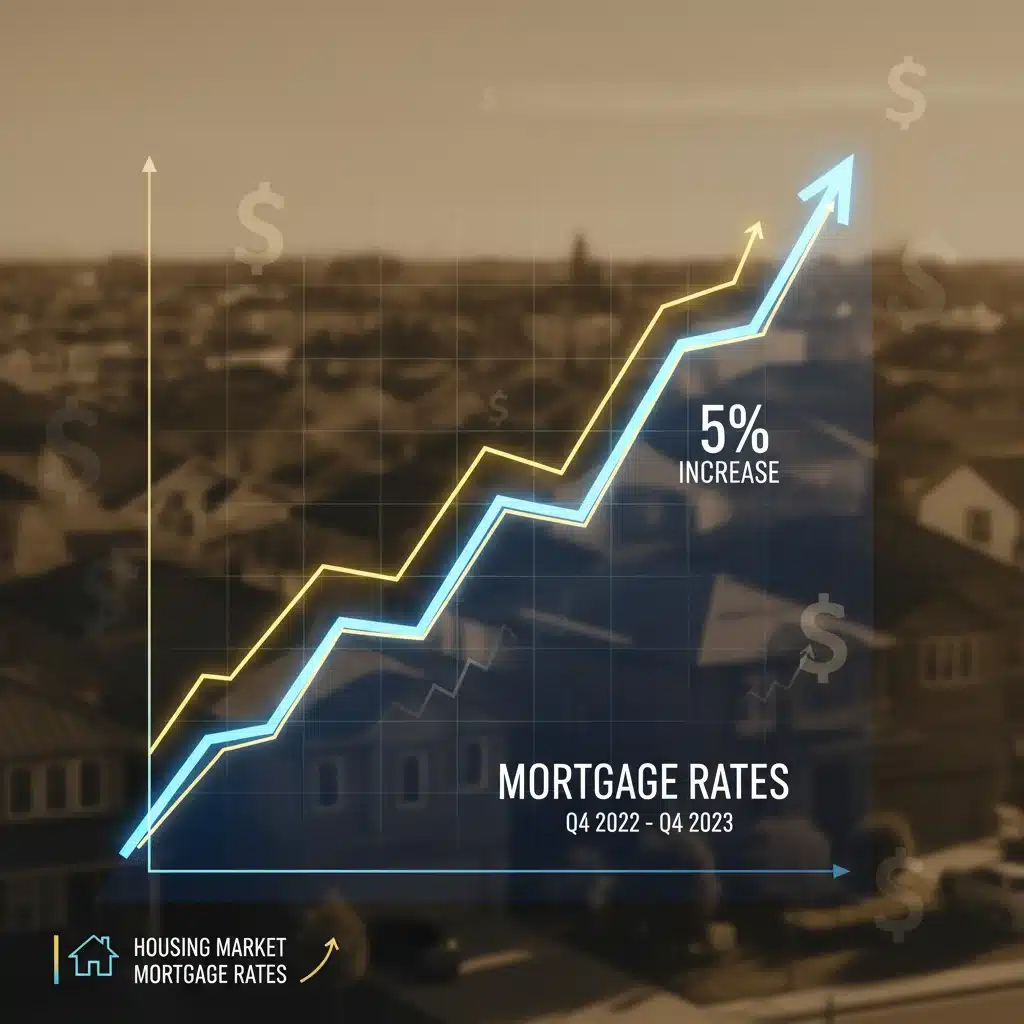
The real estate market is a dynamic entity, constantly influenced by a myriad of economic factors. Among these, mortgage rates stand out as a particularly potent force, capable of reshaping the landscape for both homebuyers and, critically, real estate investors. A significant mortgage rate shift – say, a 5% increase – doesn’t just tweak the market; it fundamentally reorients it, demanding a complete re-evaluation of strategies, risks, and opportunities. This comprehensive guide will delve into the profound implications of such a shift, offering insights and actionable advice for real estate investors navigating these turbulent waters.
Understanding the full scope of this change requires a deep dive into various interconnected aspects of the housing market. From the immediate impact on affordability and demand to the long-term effects on property values and rental markets, every facet warrants scrutiny. For investors, this isn’t merely an academic exercise; it’s about safeguarding existing portfolios and identifying new avenues for profitable ventures in an altered economic climate. The goal is not just to survive a mortgage rate shift but to thrive within it, by adapting proactively and intelligently.
Anúncios
The Immediate Ripple Effect: Affordability and Buyer Demand
A 5% increase in mortgage rates has an immediate and dramatic effect on affordability. For prospective homeowners, this translates to significantly higher monthly payments for the same loan amount. Consider a hypothetical scenario: a $400,000 mortgage at 3% interest over 30 years results in a principal and interest payment of approximately $1,686. If that rate jumps to 8%, the payment surges to roughly $2,935 – an increase of over $1,200 per month. This substantial increase can price a significant portion of potential buyers out of the market entirely.
This reduction in purchasing power directly impacts buyer demand. Fewer qualified buyers mean less competition for available properties, which historically leads to a cooling – or even a contraction – in the housing market. Investors who rely on a robust buyer pool for their exit strategies, such as "fix and flip" projects, will find themselves facing a much tougher environment. The days of multiple offers and bidding wars might become a distant memory, replaced by longer listing times and more cautious negotiations. The sensitivity of demand to a mortgage rate shift cannot be overstated.
Moreover, the psychological impact of such a shift is equally significant. Uncertainty about future rate movements, coupled with the immediate financial strain, often causes buyers to pause or delay their homeownership plans. This "wait and see" approach further dampens demand, creating a buyer’s market where sellers, including investors, may need to adjust their expectations significantly. Understanding this immediate ripple effect is the first step for any real estate investor in formulating a responsive strategy.
Impact on Property Values and Appreciation Rates
The relationship between mortgage rates and property values is inverse: as rates rise, property values typically face downward pressure. This is a direct consequence of reduced affordability and demand. A 5% mortgage rate shift is substantial enough to trigger a noticeable correction in property values.
For investors, this means a potential decrease in the equity of their existing portfolio. Properties purchased during periods of low interest rates and high appreciation might see their values stabilize or even decline. This can complicate refinancing efforts, impact loan-to-value ratios, and potentially trigger margin calls for highly leveraged investors. The expectation of continuous, rapid appreciation – a hallmark of recent low-rate environments – must be recalibrated.
New acquisitions also become more challenging. While lower property prices might seem appealing, the higher cost of borrowing can quickly erode any perceived savings. Investors must perform meticulous due diligence, factoring in higher carrying costs and a potentially slower appreciation trajectory. The focus shifts from rapid capital gains to sustainable cash flow and long-term value, with a keen eye on the debt service coverage ratio. The impact of a mortgage rate shift on property values necessitates a conservative approach to valuation.
Shifting Dynamics in the Rental Market
While rising mortgage rates can cool the sales market, they often heat up the rental market. As homeownership becomes less accessible, more individuals and families are forced to rent, increasing demand for rental properties. This surge in demand can lead to higher rental rates and lower vacancy rates, presenting a silver lining for buy-and-hold investors.
However, this isn’t a universally positive outcome. The increased demand for rentals also means increased competition among renters, which can sometimes lead to an oversupply of rental units if too many investors pivot to this strategy. Furthermore, while rental income might increase, the higher cost of financing new acquisitions – due to the mortgage rate shift – can eat into profit margins, making it harder to achieve attractive cash-on-cash returns.
Investors must carefully analyze their local rental markets. Factors such as local job growth, population trends, and the existing supply of rental housing will determine the extent to which rental rates can realistically increase. A balanced approach involves assessing the potential for rental income growth against the increased financing costs and the overall economic health of the area. For those with existing rental portfolios, a 5% mortgage rate increase might strengthen their position, but new entrants must be cautious.

Refinancing and Existing Debt: A Critical Review
For real estate investors with existing properties financed at lower rates, a 5% mortgage rate shift presents both challenges and potential opportunities. The primary challenge is the increased cost of refinancing. If a loan needs to be refinanced, perhaps due to a balloon payment or a desire to extract equity, the new, higher rates will significantly increase monthly payments and reduce cash flow.
This makes it imperative for investors to review their current debt structures. Are there any adjustable-rate mortgages (ARMs) that are about to reset? What are the terms of existing fixed-rate loans? Understanding the specifics of their debt portfolio allows investors to anticipate potential increases in their debt service costs and plan accordingly. Proactive communication with lenders can also be beneficial in exploring options.
Conversely, investors who have significant equity in their properties might consider using that equity strategically before rates climb even higher, if they believe the trend will continue. However, this must be done with extreme caution, as extracting equity now means taking on new debt at higher rates. The decision to refinance or not is complex and depends heavily on individual circumstances, risk tolerance, and future market outlook. The prudent investor will conduct thorough financial modeling to understand the full implications of any debt restructuring in light of the mortgage rate shift.
Strategic Adjustments for Real Estate Investors
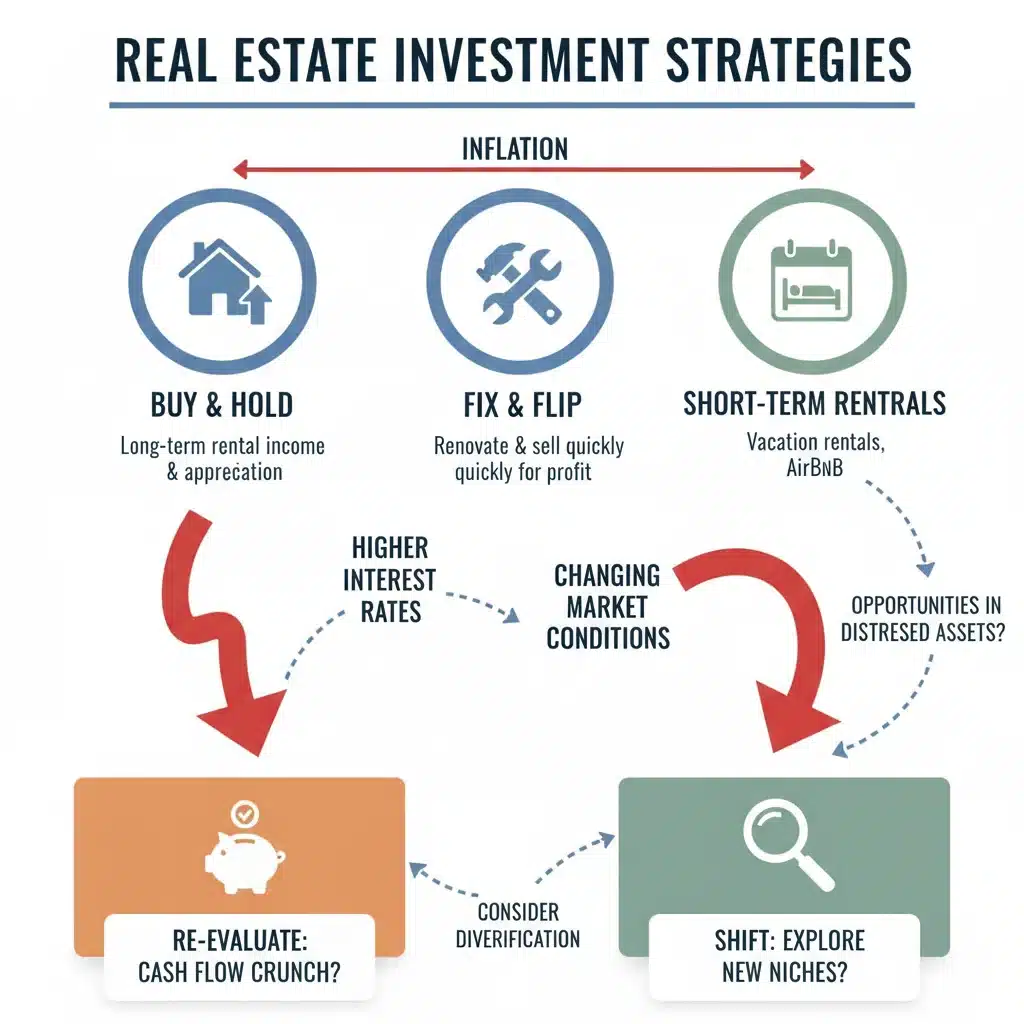
Navigating a market defined by a significant mortgage rate shift requires a fundamental re-evaluation of investment strategies. What worked in a low-interest-rate environment may no longer be viable or profitable. Here are several strategic adjustments investors should consider:
1. Focus on Cash Flow over Appreciation
In a rising rate environment, the speculative play of rapid appreciation becomes riskier. Investors should pivot towards properties that generate strong, consistent cash flow through rental income. This means a renewed focus on cap rates, expense management, and tenant retention. Properties in areas with stable job markets and high rental demand will be more attractive than those relying on speculative growth.
2. Re-evaluate "Fix and Flip" Strategies
The "fix and flip" model thrives on a hot buyer’s market and quick sales. With reduced buyer demand and potentially stagnating or declining property values, the profit margins for flips can shrink considerably. Longer holding periods mean higher carrying costs, and the risk of over-improving a property that won’t fetch the desired price increases. Investors in this space must be more selective, focusing on properties that require minimal, high-impact renovations and can be sold quickly, even in a slower market. They should also factor in the higher cost of financing the renovation itself.
3. Explore Alternative Investment Niches
A mortgage rate shift can open up opportunities in less rate-sensitive or counter-cyclical niches. This could include:
- Commercial Real Estate: Depending on the sector (e.g., industrial, multi-family, self-storage), commercial properties might offer more stable returns, though they also come with their own set of risks and require different expertise.
- Seller Financing: As traditional financing becomes more expensive, sellers might be more open to offering financing themselves, creating opportunities for creative deal structures.
- Distressed Properties: A cooling market, coupled with higher rates, can lead to an increase in foreclosures and distressed sales, offering opportunities for savvy investors to acquire properties at a discount.
- Short-Term Rentals: While subject to local regulations and tourism trends, short-term rentals can sometimes generate higher revenue than traditional long-term leases, potentially offsetting higher financing costs.
4. Deepen Due Diligence and Market Analysis
The days of "any property will do" are over. Investors must conduct more rigorous due diligence, scrutinizing every aspect of a potential investment. This includes:
- Location Analysis: Focus on areas with strong economic fundamentals, population growth, and diversified job markets.
- Property Condition: Avoid properties that require extensive, costly repairs unless the acquisition price is exceptionally low.
- Financial Projections: Run conservative financial models, stress-testing against higher interest rates, longer vacancy periods, and potential dips in rental income.
- Exit Strategy: Have a clear, realistic exit strategy for every investment, understanding that the market might be less forgiving.
5. Build and Nurture Relationships with Lenders
In a volatile market, strong relationships with lenders become invaluable. Lenders who understand your investment philosophy and track record may be more willing to work with you on creative financing solutions or offer more favorable terms when possible. Staying informed about new loan products and lender criteria is also crucial.
Long-Term Outlook and Future Considerations
While a 5% mortgage rate shift can create immediate upheaval, it’s important for investors to consider the long-term outlook. Historically, real estate has proven to be a resilient asset class, appreciating over time despite economic cycles. The current shift might be a necessary market correction, paving the way for more sustainable growth in the future.
Investors should view this period not just as a challenge, but as an opportunity to acquire assets at potentially more reasonable valuations. Those with dry powder and a long-term perspective can position themselves to benefit when rates eventually stabilize or decline, and the market recovers. Patience and a robust financial position are key during these times.
Furthermore, the broader economic context plays a crucial role. Inflation, employment rates, and global economic stability all influence interest rates and the real estate market. Staying informed about macroeconomic trends will enable investors to anticipate further shifts and adjust their strategies accordingly. Diversification – both within real estate (across different property types and locations) and across other asset classes – can also mitigate risk during periods of uncertainty.
The housing market is cyclical, and a 5% mortgage rate shift, while significant, is part of that cycle. Smart investors will use this period to refine their skills, strengthen their networks, and position themselves for future success by understanding and adapting to the evolving market dynamics. The ability to pivot quickly and make informed decisions based on real-time data will be the hallmark of successful real estate investors in this new environment.
Conclusion: Adapting to the New Normal
A 5% mortgage rate shift is more than just a number; it’s a seismic event that reverberates throughout the entire real estate ecosystem. For investors, it signals a transition from a seller’s market characterized by rapid appreciation and cheap money to a more balanced, or even buyer-favored, environment where prudence, strategic thinking, and strong financial fundamentals are paramount. The days of simply riding the wave of rising prices are over; now, success hinges on meticulous analysis, creative deal-making, and a deep understanding of market dynamics.
The immediate impacts on affordability and buyer demand necessitate a recalibration of property valuations and appreciation expectations. The rental market, while potentially benefiting from increased demand, also faces its own set of challenges related to financing costs. Existing debt portfolios require careful review, with a focus on mitigating the risks associated with higher refinancing rates.
Most importantly, investors must adapt their strategies. This means prioritizing cash flow, re-evaluating "fix and flip" models, exploring alternative investment niches, and conducting more rigorous due diligence than ever before. Building strong relationships with lenders and staying informed about macroeconomic trends will provide a competitive edge.
Ultimately, a significant mortgage rate shift is not an insurmountable obstacle but rather a filter that separates opportunistic, adaptable investors from those who rely solely on favorable market conditions. By embracing the "new normal" with informed decision-making and strategic agility, real estate investors can continue to find profitable opportunities and build resilient portfolios, even in the face of significant economic headwinds. The future of real estate investing belongs to those who can master the art of adaptation.