NIH Report: 8% Surge in Chronic Disease Diagnoses – What it Means for You

NIH Report Reveals Alarming 8% Surge in Chronic Disease Diagnoses: What You Need to Know Now
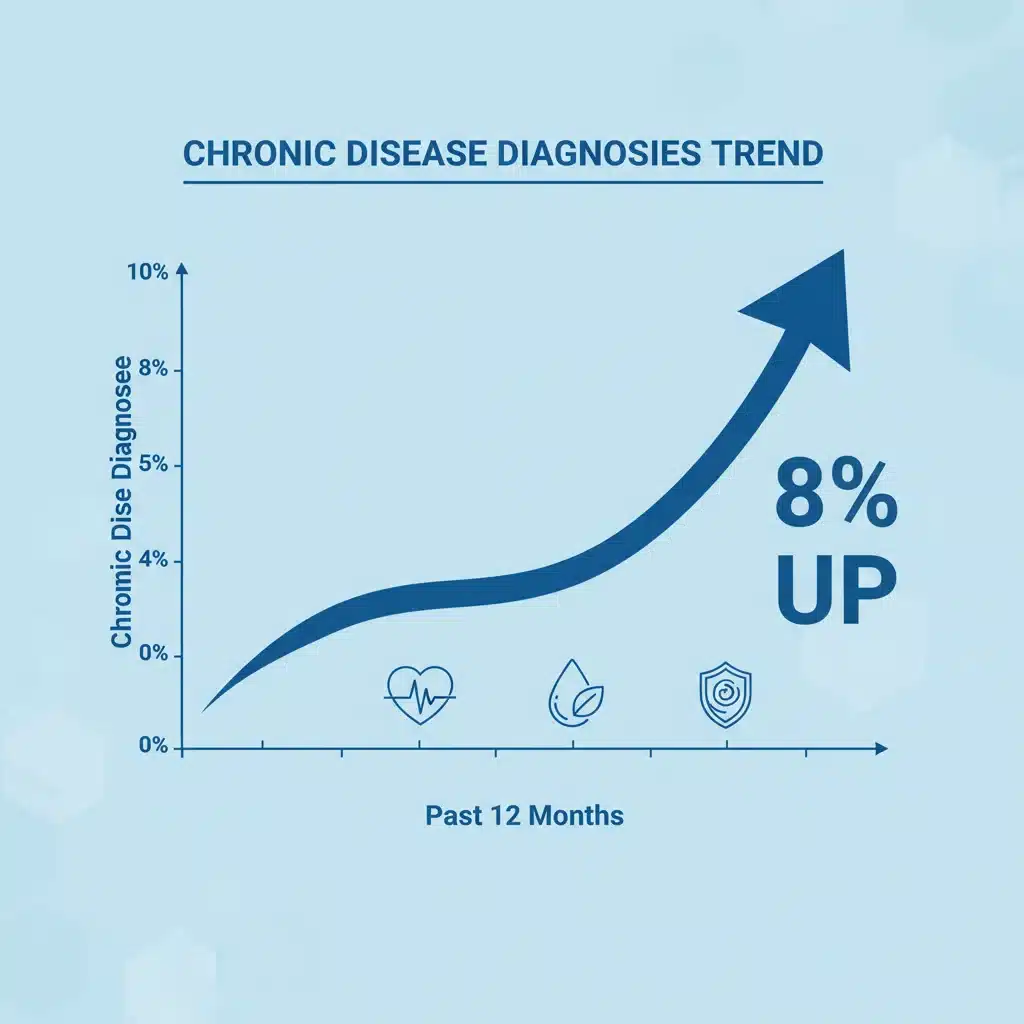
The National Institutes of Health (NIH) has just released a critical report that demands immediate attention from healthcare professionals, policymakers, and the general public alike. The data paints a concerning picture: an 8% rise in chronic disease diagnoses over the past 12 months. This significant increase in chronic disease diagnoses is not just a statistic; it represents a growing public health crisis that could have profound implications for individuals, families, and healthcare systems worldwide. Understanding the nuances of this report, its potential causes, and actionable steps for prevention and management is paramount.
Chronic diseases, encompassing conditions such as heart disease, diabetes, cancer, autoimmune disorders, and chronic respiratory illnesses, are long-lasting conditions that often require ongoing medical care and can limit daily activities. Their escalating prevalence places an immense burden on individuals, leading to decreased quality of life, increased healthcare costs, and often, premature mortality. The NIH’s findings serve as a stark reminder that despite advancements in medical science, the battle against chronic illnesses is far from over, and in some aspects, appears to be worsening.
Decoding the Data: Key Insights from the NIH Report on Chronic Disease Diagnoses
The NIH report meticulously details the landscape of chronic disease diagnoses across various demographics and geographical regions. While the overall 8% increase is startling, a deeper dive into the report reveals specific areas of concern. For instance, certain chronic conditions, such as Type 2 Diabetes and hypertension, show an even more pronounced upward trend in specific age groups, particularly among younger adults. This suggests that the traditional understanding of these diseases as primarily affecting older populations may need to be revised.
The report attributes the rise to a complex interplay of factors, including but not limited to:
- Lifestyle Changes: Sedentary lifestyles, poor dietary habits characterized by high consumption of processed foods, and insufficient physical activity are consistently cited as major contributors. The COVID-19 pandemic, with its associated lockdowns and shifts in daily routines, may have exacerbated these trends.
- Environmental Factors: Exposure to pollutants, changes in climate, and access to clean water and healthy food options play a significant role in the development and progression of chronic diseases. The report touches upon regional disparities in these environmental exposures.
- Socioeconomic Determinants of Health: Disparities in income, education, and access to quality healthcare services disproportionately affect vulnerable populations, leading to higher rates of chronic disease diagnoses and poorer health outcomes. The report highlights how these disparities are widening.
- Improved Diagnostic Capabilities: While seemingly a positive development, enhanced diagnostic tools and increased awareness may also contribute to a higher number of recorded diagnoses. However, experts agree that this factor alone cannot account for such a significant 8% increase.
- Aging Population: As the global population ages, the prevalence of age-related chronic diseases naturally increases. However, the report indicates that the rise is not solely attributable to demographic shifts, as younger populations are also seeing an uptick in certain conditions.
The report emphasizes the need for a multi-faceted approach to address this growing crisis, advocating for targeted interventions that consider the unique challenges faced by different communities. It calls for a renewed focus on preventative strategies, early detection, and comprehensive management programs to mitigate the impact of these rising chronic disease diagnoses.
The Ripple Effect: Impact of Increased Chronic Disease Diagnoses on Individuals and Healthcare Systems
An 8% surge in chronic disease diagnoses carries far-reaching consequences that extend beyond individual health. For those newly diagnosed, it often means a significant shift in lifestyle, ongoing medical treatments, and a potential reduction in quality of life. The emotional and psychological toll can be substantial, leading to increased rates of depression and anxiety among patients and their caregivers.
From a healthcare system perspective, the implications are equally profound:
- Increased Healthcare Expenditure: Chronic diseases are notoriously expensive to manage, requiring long-term medication, frequent doctor visits, specialized treatments, and potentially hospitalizations. An 8% increase translates into billions of dollars in additional healthcare costs, straining already overburdened budgets.
- Strain on Healthcare Infrastructure: The rise in diagnoses puts immense pressure on hospitals, clinics, and healthcare professionals. Longer waiting times for appointments, shortages of specialists, and burnout among healthcare workers are likely outcomes.
- Reduced Productivity and Economic Impact: Individuals living with chronic diseases may experience limitations in their ability to work, leading to decreased productivity and economic losses for both individuals and the wider economy. Caregivers, too, often face career disruptions.
- Public Health Challenges: The growing prevalence of chronic diseases can divert resources from other public health initiatives, making it harder to address emerging health threats and maintain overall community well-being.
The NIH report underscores the urgency of addressing these challenges proactively. It suggests that without significant interventions, the current trajectory of chronic disease diagnoses is unsustainable, both economically and socially.
Understanding the Underlying Causes: Why Are Chronic Disease Diagnoses Rising?
While the NIH report highlights an 8% rise, it also pushes us to examine the deeper societal and individual factors contributing to this trend. It’s not simply a matter of individual choices but a complex web of interconnected elements.
The Role of Modern Lifestyles in Chronic Disease Diagnoses
Our modern way of life, while offering conveniences, often comes at a health cost. The report points to several key lifestyle factors:
- Dietary Shifts: The pervasive availability of ultra-processed foods, high in sugar, unhealthy fats, and sodium, has fundamentally altered eating habits. These diets contribute significantly to obesity, Type 2 Diabetes, and cardiovascular diseases. The lack of access to affordable, nutritious food in certain communities further exacerbates this issue.
- Sedentary Behavior: Technological advancements have led to a more sedentary existence. Many jobs are desk-bound, and leisure activities often involve screens rather than physical movement. This lack of physical activity is a major risk factor for numerous chronic conditions, including heart disease, diabetes, and certain cancers.
- Stress and Mental Health: Chronic stress, often a byproduct of modern life, can have profound physiological effects, contributing to inflammation, hormonal imbalances, and weakened immune function, all of which are implicated in the development of chronic diseases. The report notes a correlation between rising mental health issues and the increase in chronic disease diagnoses.
- Sleep Deprivation: Insufficient or poor-quality sleep is increasingly recognized as a significant risk factor for chronic diseases, impacting metabolic health, immune function, and cardiovascular health.
Environmental and Socioeconomic Disparities
Beyond individual choices, the environment in which people live, work, and play profoundly influences their health outcomes. The NIH report sheds light on:
- Environmental Pollutants: Exposure to air and water pollution, as well as chemicals in food and consumer products, can act as triggers or accelerators for various chronic diseases. The report suggests a need for stricter environmental regulations and public awareness campaigns.
- Access to Healthcare: Unequal access to preventive care, early diagnostic services, and ongoing treatment remains a critical barrier for many. Communities with limited healthcare infrastructure or a shortage of medical professionals often experience higher rates of undiagnosed or poorly managed chronic conditions, eventually leading to more severe diagnoses.
- Social Determinants of Health: Factors like income, education level, housing stability, and neighborhood safety are powerful predictors of health. The report emphasizes how systemic inequalities contribute to health disparities, making certain populations more vulnerable to chronic disease diagnoses. Addressing these root causes requires broad societal interventions, not just medical ones.
Strategies for Prevention and Mitigation: Turning the Tide Against Chronic Disease Diagnoses
The NIH report isn’t just a warning; it’s a call to action. Reversing the trend of rising chronic disease diagnoses requires a concerted effort from individuals, communities, and governments. Here are key strategies highlighted by the report and public health experts:
Individual Empowerment Through Lifestyle Changes
While systemic changes are crucial, individuals hold significant power in preventing and managing chronic diseases:
- Adopting a Healthy Diet: Prioritizing whole, unprocessed foods – fruits, vegetables, lean proteins, and whole grains – can dramatically reduce the risk of many chronic conditions. Limiting sugar, unhealthy fats, and sodium intake is equally important.
- Regular Physical Activity: Aim for at least 150 minutes of moderate-intensity aerobic activity or 75 minutes of vigorous-intensity activity per week, along with muscle-strengthening exercises. Even small increases in daily movement can make a difference.
- Stress Management: Incorporating stress-reducing practices such as mindfulness, meditation, yoga, or spending time in nature can mitigate the physiological effects of chronic stress.
- Adequate Sleep: Insufficient or poor-quality sleep is increasingly recognized as a significant risk factor for chronic diseases, impacting metabolic health, immune function, and cardiovascular health.
- Regular Health Screenings: Early detection is key. Regular check-ups and screenings for conditions like high blood pressure, high cholesterol, and diabetes can identify issues before they become severe, leading to better management and outcomes.
Community and Policy-Level Interventions
Individual efforts must be supported by broader community and policy initiatives:
- Public Health Campaigns: Launching effective public health campaigns to raise awareness about healthy lifestyles and the risks associated with chronic diseases can empower communities to make informed choices.
- Access to Healthy Food: Policies that support access to affordable, nutritious food in all communities, such as farmers’ markets initiatives and subsidies for healthy food options, can make a significant impact.
- Promoting Physical Activity: Creating safe and accessible environments for physical activity, including parks, walking trails, and bike lanes, encourages active lifestyles. Schools and workplaces can also implement programs to promote movement.
- Environmental Protections: Stricter regulations on air and water quality, and the reduction of harmful chemical exposures, are vital for preventing environmentally induced chronic diseases.
- Healthcare System Reforms: Investing in preventive care, expanding access to primary care physicians, and integrating mental health services into routine care can improve early detection and management of chronic conditions. Telemedicine also offers a promising avenue for expanding access, especially in underserved areas.
- Research and Innovation: Continued investment in research to understand the complex etiologies of chronic diseases, develop new treatments, and identify innovative prevention strategies is paramount. The NIH’s ongoing work in this area is more critical than ever given the rise in chronic disease diagnoses.

The Future Outlook: Addressing the Rise in Chronic Disease Diagnoses Head-On
The 8% rise in chronic disease diagnoses is a wake-up call that cannot be ignored. It highlights the urgent need for a paradigm shift in how we approach health and wellness – moving from a reactive model of treating illness to a proactive model of preventing it. The NIH report provides a robust foundation for understanding the scope of the problem and points towards potential solutions.
One of the critical takeaways is the importance of a holistic approach. Addressing chronic diseases is not just about medical interventions; it’s about fostering healthier environments, promoting equitable access to resources, and empowering individuals with the knowledge and tools to make health-conscious choices. This requires collaboration across various sectors – healthcare, education, urban planning, and government.
Furthermore, the report subtly suggests a need for increased health literacy. When individuals better understand the risks associated with certain lifestyle choices and the benefits of preventive measures, they are more likely to engage in behaviors that protect their health. Educational initiatives, starting from early childhood, can play a pivotal role in shaping healthier generations.
Technological advancements also offer promising avenues. Artificial intelligence and big data analytics can help identify populations at higher risk, personalize prevention strategies, and optimize treatment protocols. Wearable health technologies can empower individuals to monitor their health proactively and make real-time adjustments to their lifestyles. The integration of these technologies into public health strategies could significantly impact the trajectory of chronic disease diagnoses.
Conclusion: A Collective Responsibility to Tackle Chronic Disease Diagnoses
The NIH’s report on the 8% rise in chronic disease diagnoses over the past 12 months is a sobering but necessary revelation. It underscores the fragility of public health and the persistent challenges posed by chronic illnesses in an evolving world. This isn’t merely a medical problem; it’s a societal one that demands a collective, coordinated response.
From individual lifestyle adjustments to sweeping policy changes, every action counts. By investing in prevention, promoting health equity, and fostering a culture of well-being, we can hope to mitigate the impact of this alarming trend and build a healthier future for all. The time for action is now. Let this report serve as a catalyst for meaningful change, transforming the way we perceive and address chronic disease diagnoses, and ultimately, improving the lives of millions.