Special Education Funding 2026: Grants, Eligibility, and Future Outlook
Anúncios
Special Education Funding in the US: A 2026 Overview of Grants and Eligibility Changes
The landscape of education in the United States is constantly evolving, and perhaps no area is as critical and complex as special education funding. As we look towards 2026, understanding the grants, eligibility requirements, and projected changes is paramount for educators, administrators, parents, and policymakers alike. Ensuring that students with disabilities receive the support and resources they need to thrive is not just a moral imperative but a legal one, underpinned by federal and state funding mechanisms. This comprehensive guide will delve into the intricacies of special education funding, highlighting the key aspects that will define its trajectory in 2026.
Anúncios
The Foundation: IDEA and Federal Commitments to Special Education Funding
At the heart of special education funding in the US lies the Individuals with Disabilities Education Act (IDEA). This landmark legislation, first enacted in 1975, guarantees a free appropriate public education (FAPE) for children with disabilities. IDEA mandates that states provide special education and related services to eligible children and offers federal funding to assist states in meeting these obligations. However, the federal commitment to fund 40% of the average per-pupil cost of special education has historically fallen short, creating a significant financial burden on states and local districts.
For 2026, discussions around IDEA reauthorization and increased federal appropriations are ongoing. While a full 40% funding level remains an aspirational goal, advocates continue to push for incremental increases to bridge the funding gap. These federal funds are distributed to states primarily through Part B of IDEA, which supports programs for children aged 3 through 21, and Part C, which focuses on early intervention services for infants and toddlers with disabilities and their families.
Understanding the nuances of IDEA is crucial for navigating the special education funding landscape. It defines the categories of disabilities, outlines the individualized education program (IEP) process, and establishes procedural safeguards for parents. Any changes to IDEA, even minor ones, can have significant ripple effects on how special education services are delivered and funded across the nation.
Key Federal Grants for Special Education Funding in 2026
Beyond the direct allocations from IDEA Part B and C, several other federal grants contribute significantly to special education funding. These grants often target specific initiatives, research, or professional development, complementing the core funding streams.
1. IDEA Part D: National Activities to Improve Education of Children with Disabilities
Part D of IDEA supports national activities to improve the education of children with disabilities. This includes funding for:
- Personnel Preparation and Development: Grants to prepare personnel for careers in special education, including teachers, related services personnel, and leadership personnel. This is vital for addressing shortages of qualified special education staff.
- Technical Assistance and Dissemination: Funding for centers that provide technical assistance, disseminate information, and promote research-based practices. These centers help states and districts implement IDEA effectively.
- Research and Innovation: Support for research to improve services and results for children with disabilities, often leading to the development of new instructional strategies and technologies.
In 2026, expect a continued emphasis on evidence-based practices and addressing the mental health needs of students with disabilities within Part D initiatives.
2. Elementary and Secondary Education Act (ESEA) – Title I, Part A
While not exclusively for special education, Title I, Part A of the ESEA (reauthorized as the Every Student Succeeds Act or ESSA) provides financial assistance to local educational agencies (LEAs) and schools with high numbers or high percentages of children from low-income families. A significant portion of these funds often benefits students with disabilities who attend Title I schools, as they may be dual-eligible for services. These funds can be used to provide supplementary services, professional development for teachers, and parent engagement activities that support all students, including those with IEPs.
3. Medicaid and Schools
Medicaid plays a vital, albeit often overlooked, role in special education funding. Schools can seek reimbursement from Medicaid for certain health-related services provided to eligible students with disabilities, as outlined in their IEPs. These services can include speech therapy, occupational therapy, physical therapy, nursing services, and mental health counseling. As healthcare policy continues to evolve, the ability of schools to leverage Medicaid reimbursement for these critical services will remain a key component of their overall special education budget.
4. Other Federal Programs
Various other federal programs, such as those from the Department of Health and Human Services or the Department of Labor, may offer grants that indirectly benefit students with disabilities through vocational training, early childhood programs, or assistive technology initiatives. Staying informed about these diverse funding opportunities is crucial for maximizing resources.
Eligibility Criteria for Special Education Funding and Services in 2026
Eligibility for special education services, and consequently the funding that supports them, is primarily determined by IDEA. A child must meet two criteria to be eligible:
- Disability Definition: The child must have one of the 13 disabilities defined by IDEA. These include autism, deaf-blindness, deafness, developmental delay, emotional disturbance, hearing impairment, intellectual disability, multiple disabilities, orthopedic impairment, other health impairment, specific learning disability, speech or language impairment, traumatic brain injury, and visual impairment (including blindness).
- Need for Special Education: The disability must adversely affect the child’s educational performance and require special education and related services. This means the child needs specially designed instruction to access the general education curriculum.
The process of determining eligibility involves a comprehensive evaluation conducted by a multidisciplinary team. This team reviews existing data, conducts assessments, and gathers input from parents to determine if the child meets both criteria. For 2026, there is an increased focus on early identification and intervention, particularly for conditions like dyslexia and ADHD, which fall under specific learning disability or other health impairment categories.
Anticipated Changes in Eligibility and Identification in 2026
While the core eligibility criteria under IDEA are unlikely to undergo radical changes by 2026 without significant legislative action, several trends are influencing how these criteria are interpreted and applied:
- Response to Intervention (RTI) and Multi-Tiered Systems of Support (MTSS): These frameworks are increasingly used to identify students who may need special education services. Instead of a ‘wait to fail’ model, RTI/MTSS provides tiered interventions and monitors student progress, potentially leading to earlier identification and more appropriate support.
- Mental Health and Emotional Disturbance: There’s a growing recognition of the impact of mental health conditions on educational performance. Expect continued emphasis on improving identification and services for students with emotional disturbance and other mental health challenges.
- Culturally and Linguistically Diverse Students: Efforts to reduce disproportionality in special education identification, particularly among culturally and linguistically diverse student populations, will remain a priority. This involves ensuring evaluations are culturally and linguistically appropriate and that biases are minimized.
- Early Childhood Special Education: Part C of IDEA, focusing on infants and toddlers, is seeing increased attention. Early intervention is proven to have long-term benefits, and efforts to streamline identification and service delivery for this age group will likely continue.

Navigating the Application Process for Special Education Funding
Securing special education funding, especially competitive grants, requires a clear understanding of the application process. For school districts and educational agencies, this often involves:
1. Identifying Funding Opportunities
The first step is to stay informed about available grants. This includes regularly checking:
- Federal Register: The official daily publication for rules, proposed rules, and notices of federal agencies and organizations, including grant announcements.
- Department of Education Websites: The U.S. Department of Education and state education department websites are primary sources for grant information.
- Grant Databases: Platforms like Grants.gov provide a centralized location for federal grant opportunities.
- Professional Organizations: Special education advocacy groups and professional organizations often disseminate information about relevant grants.
2. Understanding Grant Requirements and Priorities
Each grant has specific requirements, eligibility criteria, and programmatic priorities. Applicants must carefully read the Notice of Funding Opportunity (NOFO) or Request for Proposals (RFP) to ensure their project aligns with the funder’s goals. For 2026, many grants are expected to prioritize:
- Inclusive practices and least restrictive environment (LRE) initiatives.
- Assistive technology integration.
- Transition services for post-secondary education and employment.
- Mental health supports.
- Professional development for special education personnel, particularly in high-need areas.
3. Developing a Strong Proposal
A successful grant proposal is well-written, data-driven, and clearly articulates the need, proposed activities, expected outcomes, and budget. Key components typically include:
- Executive Summary: A concise overview of the project.
- Statement of Need: Data supporting the problem the grant will address.
- Project Design: Detailed description of activities, timeline, and how goals will be achieved.
- Evaluation Plan: How the project’s effectiveness will be measured.
- Budget: A detailed and justified financial plan.
- Sustainability Plan: How the project will continue after grant funding ends.
Collaboration with stakeholders, including parents, general education teachers, and community organizations, can strengthen a proposal by demonstrating broad support and a comprehensive approach.
The Role of State and Local Funding in Special Education
While federal funding provides a crucial baseline, the majority of special education funding comes from state and local sources. States use various formulas to distribute funds to local districts, often based on student counts, poverty levels, or specific disability categories. These formulas can significantly impact the resources available to individual schools and districts.
In 2026, states are facing ongoing challenges in balancing their budgets while meeting the rising costs of special education. Factors such as increased enrollment of students with complex needs, rising personnel costs, and the demand for specialized technologies continue to strain state and local resources. Advocacy at the state level remains critical to ensure equitable and adequate funding for special education.
Innovative Funding Models and Best Practices
Some states and districts are exploring innovative funding models to optimize their special education funding. These include:
- Weighted Student Funding: Allocating funds to schools based on individual student needs, with higher weights for students with disabilities.
- Results-Based Funding: Tying a portion of funding to student outcomes and progress.
- Inter-Agency Collaboration: Partnering with state health departments, social services, and other agencies to share costs and resources for students with complex needs.
- Private Philanthropy and Partnerships: Seeking support from foundations and community organizations to supplement public funding.
Sharing best practices across states and districts will be essential for developing sustainable funding solutions for special education in 2026 and beyond.
Addressing Challenges and Future Outlook for Special Education Funding
Despite the legal mandates and funding streams, significant challenges persist in special education funding. These include:
- Underfunding: The persistent gap between federal commitments and actual appropriations leaves states and districts to shoulder a disproportionate share of the costs.
- Personnel Shortages: A critical shortage of qualified special education teachers, related services personnel (e.g., speech-language pathologists, occupational therapists), and school psychologists continues to impact service delivery. Funding is needed for recruitment, retention, and professional development.
- Rising Costs: The cost of providing specialized services, assistive technology, and low student-to-staff ratios continues to rise, outpacing general education cost increases.
- Equity and Access: Ensuring equitable access to high-quality special education services across all demographic groups and geographic regions remains a challenge, particularly in rural areas or under-resourced communities.
The 2026 Outlook: What to Expect
As we approach 2026, several trends are likely to shape the future of special education funding:
- Increased Focus on Mental Health: The growing awareness of student mental health needs will likely lead to more funding initiatives and mandates for mental health supports within special education.
- Technology Integration: Assistive technology and educational technology will continue to play a larger role in special education, requiring ongoing investment in devices, software, and training.
- Inclusive Practices: A continued push towards inclusive education models, where students with disabilities spend more time in general education settings with appropriate supports, will influence how funds are allocated for staffing, professional development, and classroom modifications.
- Data-Driven Decision Making: The use of data to inform funding decisions and demonstrate the effectiveness of special education programs will become even more critical for accountability and advocating for increased resources.
- Workforce Development: Expect renewed efforts and funding to address the special education personnel shortage through scholarships, loan forgiveness programs, and innovative training models.
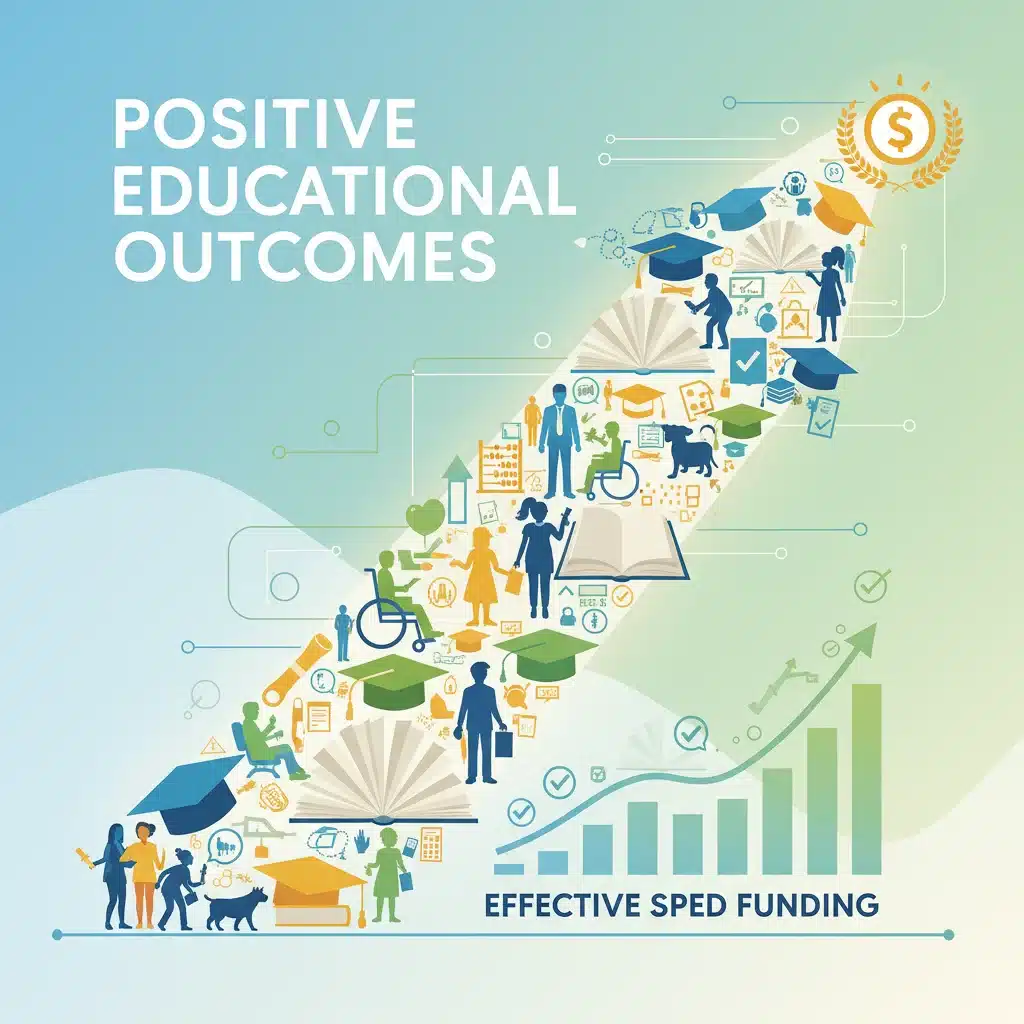
Strategies for Maximizing Special Education Funding
For school districts and administrators, effectively managing and maximizing special education funding is paramount. Here are some strategies:
- Strategic Planning: Develop a comprehensive long-term plan for special education services that aligns with available funding and anticipates future needs.
- Grant Writing Expertise: Invest in or outsource grant writing to secure competitive federal and private grants.
- Effective Budget Management: Implement robust financial tracking and reporting systems to ensure funds are used efficiently and compliantly.
- Collaboration: Foster strong partnerships with state agencies, community organizations, and healthcare providers to leverage additional resources and avoid duplication of services.
- Advocacy: Engage in ongoing advocacy at local, state, and federal levels to highlight the needs of students with disabilities and advocate for increased special education funding.
- Professional Development: Invest in high-quality professional development for all staff to ensure they are equipped to meet the diverse needs of students with disabilities, which can also improve outcomes and potentially reduce more costly intensive interventions.
- Technology Assessment: Regularly assess and integrate appropriate assistive technologies that can enhance learning and independence for students with disabilities, often a target area for specific grant funding.
- Data Collection and Analysis: Systematically collect and analyze data on student outcomes, program effectiveness, and resource utilization to demonstrate impact and inform future funding requests.
Conclusion
The provision of special education services is a cornerstone of an equitable education system. As we navigate the complexities of special education funding in 2026, a multifaceted approach involving strong federal commitments, robust state and local support, innovative funding models, and diligent advocacy will be essential. By understanding the available grants, evolving eligibility criteria, and the persistent challenges, stakeholders can work collaboratively to ensure that every student with a disability receives the individualized support necessary to achieve their full potential. The future of special education relies on sustained investment and a collective commitment to inclusion and equity for all learners.