Boosting Student Engagement: 3 Innovative Pedagogical Approaches for 2026 Classrooms
Anúncios
Boosting Student Engagement: 3 Innovative Pedagogical Approaches for 2026 Classrooms
The landscape of education is in constant flux, and as we approach 2026, the need for dynamic and effective student engagement strategies has never been more critical. Traditional teaching methods, while foundational, often fall short in capturing the attention and fostering the deep learning required in our rapidly evolving world. Today’s students, digital natives with a thirst for interactivity and relevance, demand an educational experience that goes beyond rote memorization and passive reception of information. This comprehensive article delves into three innovative pedagogical approaches that are poised to revolutionize student engagement in the classrooms of 2026: personalized learning, gamification, and project-based learning. Each of these strategies offers unique benefits, empowering educators to create more inclusive, stimulating, and ultimately, more effective learning environments.
Anúncios
The imperative to boost student engagement stems from a fundamental understanding that active participation is directly correlated with improved learning outcomes. When students are engaged, they are more motivated, retain information more effectively, develop critical thinking skills, and cultivate a lifelong love for learning. Disengaged students, on the other hand, often struggle academically, leading to frustration for both students and educators. Therefore, identifying and implementing cutting-edge pedagogical approaches is not merely a trend; it’s a necessity for preparing the next generation for the challenges and opportunities of the future.
In the following sections, we will explore each of these innovative approaches in detail, examining their core principles, practical applications, and the transformative impact they can have on student engagement. We will also consider how technology can be leveraged to maximize their effectiveness, ensuring that educators are equipped with the tools and knowledge to foster a truly engaging and enriching learning experience for every student.
The Foundation of Future Learning: Understanding Student Engagement Strategies
Before diving into specific pedagogical approaches, it’s crucial to establish a clear understanding of what constitutes effective student engagement. Beyond simply being present in the classroom, engaged students are intellectually curious, emotionally invested, and actively participate in their learning journey. They ask questions, collaborate with peers, take ownership of their learning, and connect classroom content to real-world applications. This deep level of involvement is what educators strive for, and it is the ultimate goal of any innovative teaching strategy.
The shift towards more active learning models is driven by research in cognitive psychology and educational neuroscience, which consistently demonstrates that students learn best when they are actively constructing knowledge rather than passively receiving it. This understanding forms the bedrock of the innovative pedagogical approaches we will discuss. By moving away from teacher-centric models towards student-centric ones, educators can unlock a greater potential for learning and foster a more dynamic classroom environment.
Furthermore, the digital age has profoundly influenced how students interact with information and learn. Today’s learners are accustomed to personalized experiences, instant feedback, and interactive content. They expect their educational environments to reflect these realities. Therefore, effective student engagement strategies for 2026 must integrate technology thoughtfully and creatively, leveraging its power to enhance, not replace, the human element of teaching and learning.
The challenge for educators is to move beyond simply incorporating technology for technology’s sake. The goal is to use digital tools as a means to an end: to facilitate deeper learning, encourage collaboration, and personalize the educational experience. This requires a thoughtful integration of technology within a sound pedagogical framework. The three approaches we will explore – personalized learning, gamification, and project-based learning – offer robust frameworks for achieving this integration and significantly boosting student engagement.
Ultimately, the success of any student engagement strategy hinges on its ability to create a sense of purpose and relevance for the learners. When students understand why they are learning something and how it connects to their lives and aspirations, their intrinsic motivation soars. This intrinsic motivation is the most powerful driver of engagement and is a key outcome of the innovative pedagogical approaches discussed in this article. By focusing on relevance, autonomy, and mastery, educators can cultivate an environment where students are not just learning, but thriving.
1. Personalized Learning: Tailoring Education to Every Student
In an ideal world, every student would receive an education perfectly molded to their individual needs, strengths, weaknesses, and learning pace. This is the promise of personalized learning, a powerful pedagogical approach that is gaining significant traction and will be a cornerstone of student engagement strategies in 2026. Personalized learning is not a one-size-fits-all solution; instead, it recognizes the unique learning profiles of each student and adapts the educational experience accordingly.
At its core, personalized learning involves customizing the learning journey for each student. This can manifest in various ways: allowing students to progress at their own speed, offering choices in how they demonstrate their understanding, providing targeted interventions based on real-time data, and tailoring content to individual interests. The goal is to move away from a standardized curriculum delivered uniformly to all students, towards a flexible and responsive system that empowers students to take ownership of their learning.
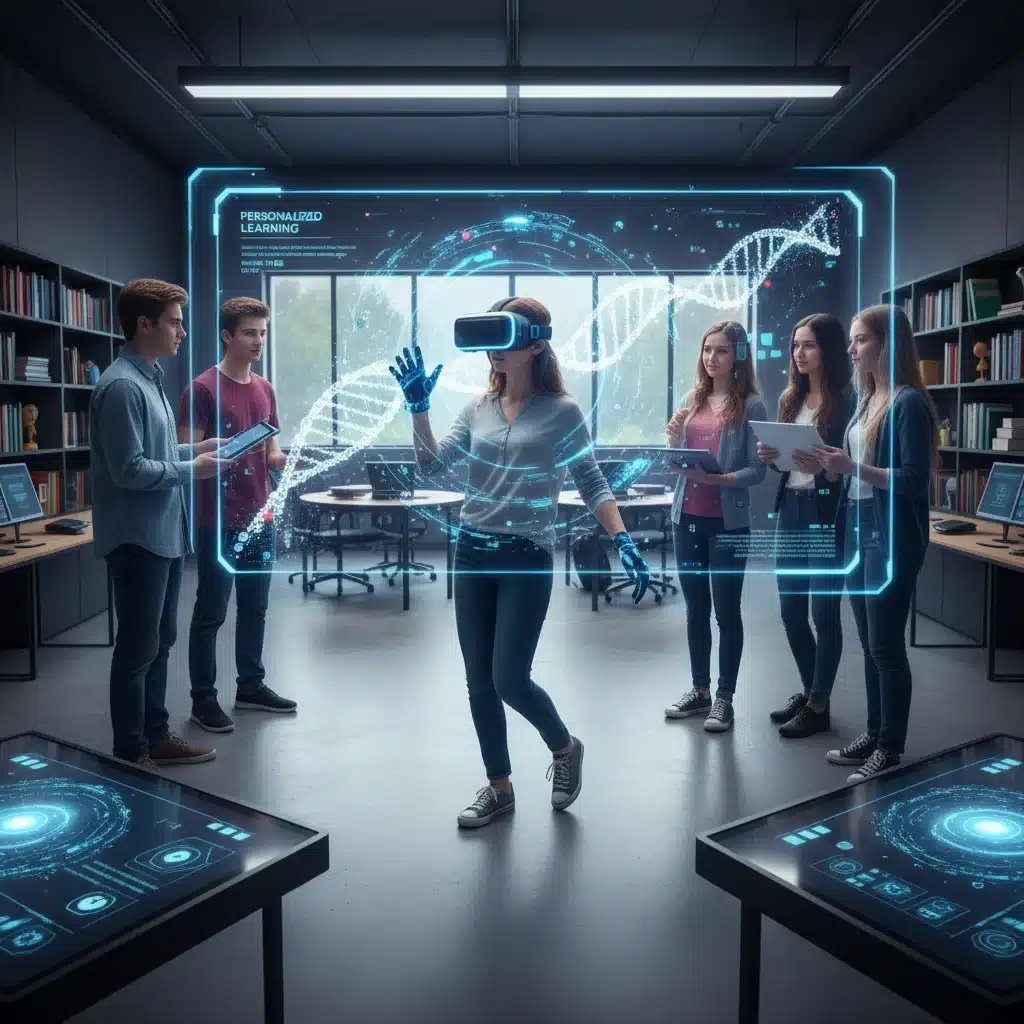
Technology plays a crucial role in enabling personalized learning at scale. Adaptive learning platforms, AI-powered tutoring systems, and data analytics tools can provide educators with invaluable insights into student progress and learning styles. These tools can identify areas where students are struggling, suggest relevant resources, and even create individualized learning paths. For instance, an adaptive math program can present problems of varying difficulty based on a student’s performance, ensuring they are always challenged but not overwhelmed.
The benefits of personalized learning for student engagement are profound. When students feel that their learning is relevant to them, that their voice is heard, and that they have agency over their educational path, their motivation and involvement skyrocket. They are more likely to persevere through challenges, delve deeper into topics that pique their interest, and develop a stronger sense of self-efficacy. This approach fosters a growth mindset, where mistakes are seen as opportunities for learning, and progress is celebrated.
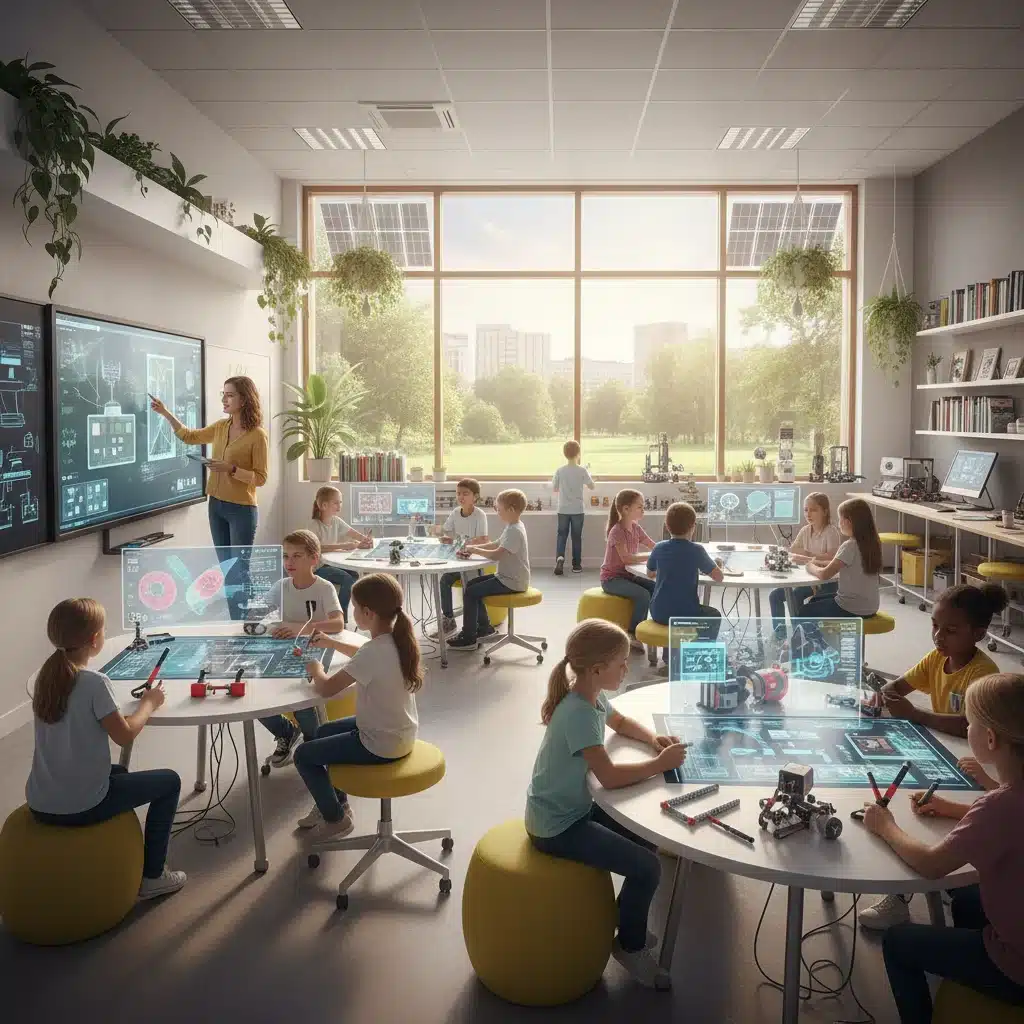
Implementing personalized learning requires a shift in the teacher’s role from a dispenser of information to a facilitator and guide. Educators become mentors who help students navigate their learning journeys, provide individualized feedback, and foster a supportive learning community. This also necessitates a flexible classroom structure, where students might be working on different tasks, collaborating in small groups, or engaging in independent study. The classroom becomes a dynamic hub of activity, rather than a static lecture hall.
One of the key elements of successful personalized learning is ongoing assessment and feedback. Rather than summative assessments at the end of a unit, personalized learning emphasizes formative assessments that provide real-time data on student understanding. This data allows educators to adjust instruction on the fly, providing timely support and enrichment. This continuous feedback loop ensures that students are always aware of their progress and areas for improvement, further boosting their engagement and self-regulation skills.
Furthermore, personalized learning often incorporates student choice and voice. Giving students options in how they learn, what resources they use, and how they demonstrate mastery can significantly increase their investment in the learning process. Whether it’s choosing a book for a literature project, selecting a topic for a research paper, or deciding between different modes of presentation, these choices empower students and make their learning experience more meaningful and engaging.
The future of education, particularly in 2026, will undoubtedly see personalized learning become more sophisticated and widespread. As AI and machine learning technologies advance, the ability to tailor educational experiences to an even finer degree will become a reality. This will lead to unprecedented levels of student engagement, as every learner receives an education that truly resonates with their unique potential.
2. Gamification: Turning Learning into an Engaging Adventure
The allure of games is undeniable. From competitive sports to intricate video games, the elements that make games so captivating – challenges, rewards, progress tracking, and social interaction – can be incredibly powerful tools when applied to education. Gamification, the integration of game-like elements and mechanics into non-game contexts, is an innovative pedagogical approach that is transforming student engagement strategies. By leveraging the inherent motivation that games evoke, educators can turn learning into an engaging adventure for students of all ages.
Gamification in the classroom goes beyond simply playing educational games. It involves strategically applying game design principles to the learning process itself. This can include earning points for completing assignments, unlocking badges for mastering skills, competing on leaderboards, progressing through levels, and receiving immediate feedback on performance. These elements create a sense of achievement and progress, which are strong motivators for learners.
One of the primary benefits of gamification is its ability to increase intrinsic motivation. When learning feels like a game, students are often more willing to take risks, persevere through challenges, and engage with complex material. The fear of failure is often reduced, as mistakes are viewed as opportunities to learn and try again, much like in a video game. This fosters a resilient mindset and encourages continuous effort.
Consider a history class where students embark on a ‘historical quest,’ earning points for correctly answering questions, discovering historical artifacts (digital or physical), and collaborating to solve historical mysteries. Or a science class where students design and test virtual experiments, earning ‘lab technician’ badges for successful outcomes and ‘innovator’ badges for creative solutions. These scenarios illustrate how gamification can make abstract concepts tangible and learning an active, participatory experience, significantly boosting student engagement.
Technology is a natural ally for gamification. Educational apps, online learning platforms with built-in game mechanics, and virtual reality simulations can provide rich and immersive gamified experiences. These tools can automate the tracking of points and badges, provide instant feedback, and create interactive environments that would be difficult to replicate in a traditional classroom setting. For example, a language learning app that awards points for correct answers and allows users to compete with friends can be highly effective in maintaining motivation.
However, successful gamification requires careful planning and thoughtful implementation. It’s not enough to simply add points to assignments; the game elements must be meaningful and aligned with learning objectives. The challenges should be appropriate for the students’ skill levels, and the rewards should be perceived as valuable. The focus should always remain on the learning outcomes, with gamification serving as a powerful vehicle to achieve them.
Another advantage of gamification is its potential to foster collaboration and social learning. Many games are inherently social, encouraging players to work together to achieve common goals. In a gamified classroom, students can form teams, share strategies, and support each other’s learning. This collaborative aspect not only enhances student engagement but also develops essential 21st-century skills such as teamwork, communication, and problem-solving.
The future of gamification in education is bright. As game design principles become more sophisticated and integrated into educational technology, we can expect even more immersive and personalized gamified learning experiences. These innovations will continue to transform how students perceive learning, turning it from a chore into an exciting and rewarding journey, thereby consistently elevating student engagement across all disciplines.
3. Project-Based Learning: Real-World Challenges for Deep Engagement
Imagine a classroom where students aren’t just memorizing facts but are actively designing solutions to real-world problems, collaborating with peers, and presenting their findings to an authentic audience. This is the essence of project-based learning (PBL), a highly effective pedagogical approach that empowers students to gain knowledge and skills by working for an extended period to investigate and respond to an authentic, engaging, and complex question, problem, or challenge. PBL is a cornerstone of effective student engagement strategies for 2026, as it inherently connects learning to relevance and purpose.
Unlike traditional assignments, which often involve short-term tasks with predetermined answers, PBL projects are open-ended, multidisciplinary, and require students to apply critical thinking, research, and problem-solving skills. Students might be tasked with designing a sustainable city, developing a marketing campaign for a local business, creating a documentary about a historical event, or engineering a device to solve a community issue. These projects move beyond the confines of a single subject, encouraging students to integrate knowledge from various disciplines.
The benefits of PBL for student engagement are numerous. When students work on projects that have real-world implications, they become deeply invested in the outcome. They see the direct relevance of what they are learning and understand how their knowledge can be applied to make a tangible difference. This sense of purpose is a powerful motivator, leading to increased effort, persistence, and a deeper understanding of the subject matter.
PBL also fosters the development of essential 21st-century skills. Students engaged in projects learn to collaborate effectively, communicate their ideas clearly, think critically to solve complex problems, manage their time, and adapt to unforeseen challenges. These skills are not only vital for academic success but are also highly sought after in the professional world. By engaging in PBL, students are not just learning content; they are developing the competencies they will need to thrive in a rapidly changing global society.
Consider a science class undertaking a project to design and build a small-scale renewable energy system for their school. Students would need to research different energy sources, understand engineering principles, calculate energy needs, and present their proposals to a panel of experts. This hands-on, authentic experience is far more engaging and memorable than simply reading about renewable energy in a textbook. It transforms passive learners into active creators and problem-solvers, significantly boosting student engagement.
While technology can support PBL, the core of this approach lies in the authentic nature of the project. Digital tools can facilitate research, collaboration (e.g., shared documents, video conferencing), data analysis, and the creation of compelling presentations. However, the emphasis remains on the students’ active construction of knowledge and their efforts to address a meaningful challenge. The teacher’s role in PBL is that of a facilitator, mentor, and guide, providing support and posing probing questions rather than delivering direct instruction.
Implementing effective PBL requires careful planning, clear learning objectives, and a structured scaffold to guide students through the process. Educators need to design projects that are challenging yet achievable, provide opportunities for student voice and choice, and offer regular feedback. The assessment in PBL often involves evaluating not only the final product but also the process, including collaboration, research skills, and critical thinking.
As we look to 2026, project-based learning will continue to grow in prominence as an indispensable student engagement strategy. Its ability to cultivate deep learning, foster critical skills, and connect education to real-world relevance makes it an ideal approach for preparing students for an increasingly complex and interconnected future. By embracing PBL, educators can create classrooms where learning is not just about acquiring information, but about making a difference.
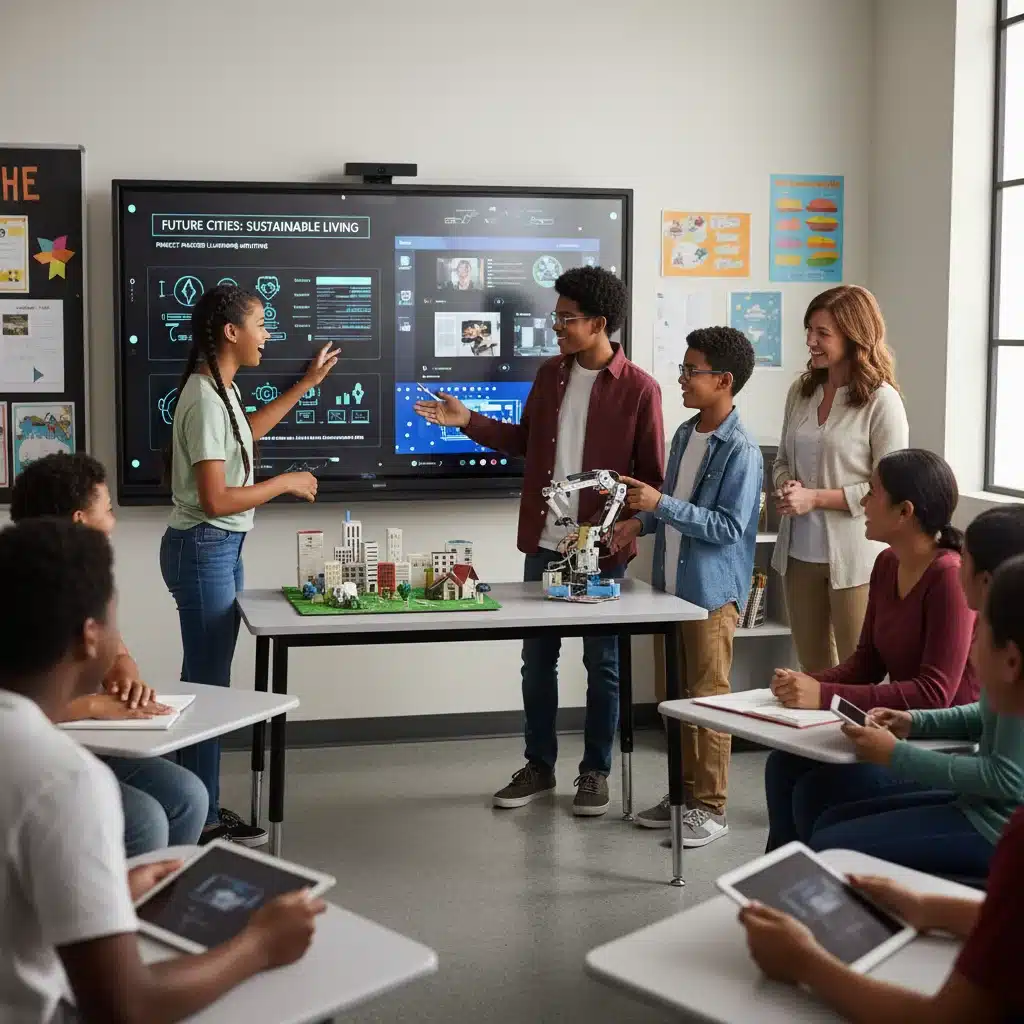
Integrating Innovative Pedagogical Approaches for Maximum Impact on Student Engagement
While personalized learning, gamification, and project-based learning each offer distinct advantages, their true power lies in their potential for integration. Imagine a classroom where students work on a long-term, real-world project (PBL), with their individual learning paths and resources tailored to their needs (personalized learning), and their progress and achievements tracked through a system of points, badges, and leaderboards (gamification). This synergistic approach can create an incredibly rich, dynamic, and highly engaging learning environment.
For instance, in a history class, students might choose a historical event to research and present (PBL). The research phase could be personalized, with students accessing different digital archives or engaging in virtual tours based on their interests and prior knowledge. As they complete research tasks, they earn points and unlock ‘historian’ badges (gamification). The final presentation could be a collaborative project, culminating in a public exhibition or a digital museum, further enhancing their student engagement through authentic audience interaction.
The key to successful integration is thoughtful design and a clear understanding of learning objectives. Educators should consider how each approach can complement the others to create a holistic and coherent learning experience. This often involves a flexible curriculum, adaptable classroom spaces, and a willingness to experiment with different tools and strategies.
Furthermore, the role of the educator evolves significantly when these innovative approaches are integrated. Teachers become orchestrators of learning, designing challenging experiences, providing individualized support, facilitating collaboration, and offering meaningful feedback. This shift requires ongoing professional development and a commitment to continuous improvement, ensuring that educators are equipped with the skills to leverage these powerful pedagogical tools effectively.
The technological advancements expected by 2026 will further enable this integration. More sophisticated AI-powered platforms will be able to manage personalized learning paths, track gamified progress, and provide real-time data for project-based assessments. Virtual and augmented reality will offer immersive experiences for both personalized learning and project exploration, making abstract concepts concrete and engaging. The seamless integration of these technologies will amplify the impact of these pedagogical approaches on student engagement.
It’s also important to acknowledge that not all students will respond to every approach in the same way. The beauty of integrating these strategies is that it offers multiple entry points for student engagement. Some students might thrive on the competitive aspect of gamification, while others might prefer the autonomy of personalized learning or the collaborative nature of project-based work. By offering a blend of these approaches, educators can cater to a wider range of learning preferences and maximize the overall engagement of their diverse student population.
The ultimate goal is to cultivate a learning environment where students are not just consumers of information but active participants, creators, and critical thinkers. By strategically combining personalized learning, gamification, and project-based learning, educators can create classrooms that are not only effective but also incredibly inspiring and deeply engaging. This holistic approach to student engagement will be instrumental in preparing students for a future that demands adaptability, creativity, and a lifelong passion for learning.
Challenges and Considerations for Implementation
While the benefits of these innovative pedagogical approaches for student engagement are clear, their successful implementation is not without challenges. Educators and institutions must consider several key factors to ensure these strategies are effective and sustainable in 2026 and beyond.
Firstly, professional development for teachers is paramount. Shifting from traditional teaching methods to personalized learning, gamification, and project-based learning requires a new set of skills and a different mindset. Teachers need training in designing engaging projects, utilizing adaptive technologies, interpreting data for personalized instruction, and facilitating student-led learning. Without adequate support and training, even the most promising strategies can fall short.
Secondly, access to appropriate technology and infrastructure is crucial. Personalized learning often relies on digital platforms and data analytics, while gamification can be significantly enhanced by educational apps and virtual environments. Project-based learning can benefit from digital tools for research, collaboration, and presentation. Schools must ensure they have the necessary hardware, software, and reliable internet connectivity to support these approaches. Equity in access is also a major consideration, as digital divides can exacerbate existing educational disparities.
Thirdly, curriculum design needs to be flexible and adaptable. Traditional, rigid curricula can be a barrier to implementing personalized and project-based learning. Educators need the autonomy to design learning experiences that are responsive to student interests and real-world contexts. This might involve moving away from strict pacing guides and towards competency-based progression, where students advance once they have demonstrated mastery of specific skills and knowledge.
Fourthly, assessment methods must evolve. Standardized tests, while having their place, often do not adequately capture the breadth of learning that occurs in personalized, gamified, or project-based environments. Educators need to incorporate a variety of formative and summative assessments, including portfolios, presentations, rubrics for project evaluation, and performance-based tasks. These assessments should provide meaningful feedback and reflect the complex skills students are developing.
Finally, fostering a supportive school culture is essential. Implementing innovative student engagement strategies requires a shift in mindset not just for teachers, but for administrators, parents, and even students themselves. Encouraging experimentation, celebrating successes, and learning from challenges are all part of creating an environment where innovation can thrive. Open communication and collaboration among all stakeholders are key to navigating the transition to these future-focused pedagogical approaches.
Despite these challenges, the potential rewards of boosting student engagement through these innovative methods far outweigh the difficulties. By proactively addressing these considerations, educational institutions can pave the way for a transformative learning experience that prepares students for success in 2026 and beyond.
Conclusion: Shaping the Future of Student Engagement in 2026
As we look towards 2026, the imperative to foster deep and meaningful student engagement remains at the forefront of educational innovation. The traditional models of education, while foundational, are increasingly insufficient for preparing students for a rapidly changing world. Personalized learning, gamification, and project-based learning stand out as three powerful pedagogical approaches that offer transformative solutions to this challenge.
Personalized learning empowers students by tailoring the educational experience to their unique needs and interests, fostering autonomy and a deeper connection to the material. Gamification harnesses the inherent human desire for challenge, progress, and reward, transforming learning into an exciting and motivating adventure. Project-based learning connects classroom content to real-world problems, cultivating critical thinking, collaboration, and a profound sense of purpose. When thoughtfully integrated, these strategies create a synergistic effect, leading to unparalleled levels of student engagement.
The classrooms of 2026 will be dynamic, interactive spaces where technology serves as an enabler, not a replacement, for human connection and meaningful learning. Educators will evolve into facilitators, mentors, and designers of rich learning experiences, guiding students on personalized journeys of discovery and creation. The focus will shift from content delivery to skill development, critical thinking, and the cultivation of lifelong learners who are adaptable, resilient, and intrinsically motivated.
Embracing these innovative pedagogical approaches requires a commitment to continuous improvement, ongoing professional development for educators, and a willingness to reimagine the traditional classroom structure. However, the investment in these strategies will yield immense returns: a generation of students who are not only academically proficient but also passionately engaged, creatively fulfilled, and well-equipped to navigate the complexities of the 21st century. By focusing on personalized learning, gamification, and project-based learning, we can truly boost student engagement and shape a brighter future for education.