Breaking News: Supreme Court Ruling on Healthcare Data Privacy Expected Within 3 Months
The legal landscape surrounding healthcare data privacy is on the cusp of a seismic shift. In a development that has the entire healthcare industry, technology sector, and patient advocacy groups holding their breath, the Supreme Court is poised to deliver a monumental ruling on healthcare data privacy within the next three months. This decision is not merely a legal formality; it promises to redefine the boundaries of personal health information, impact the operational frameworks of healthcare providers, and reshape the future of digital health technologies. Understanding the potential ramifications of this impending ruling is crucial for every stakeholder involved.
Anúncios
For years, the debate over healthcare data privacy has intensified, fueled by rapid advancements in health technology, the proliferation of electronic health records (EHRs), and the increasing integration of artificial intelligence (AI) in diagnostics and treatment. The current legal framework, primarily anchored by the Health Insurance Portability and Accountability Act (HIPAA) of 1996, has struggled to keep pace with these innovations. While HIPAA established foundational rules for protecting sensitive patient information, its applicability to emerging technologies and non-traditional data holders has been a continuous point of contention. The Supreme Court’s intervention signifies a critical juncture, offering the potential for clarity, or conversely, introducing new complexities to an already intricate domain.
The Core of the Dispute: What’s at Stake for Healthcare Data Privacy?
At the heart of the Supreme Court’s deliberation lies a fundamental question: how far does the right to healthcare data privacy extend in the digital age? The specific case (or cases, if consolidated) before the Court likely touches upon several critical areas. These could include the definition of protected health information (PHI) in the context of de-identified or aggregated data, the rights of individuals to control their health data beyond HIPAA’s scope, the responsibilities of third-party app developers and wellness companies that collect health-related data but are not always covered by HIPAA, and the balance between individual privacy rights and the public interest in health data for research and public health initiatives.
One primary concern revolves around the increasing collection of health-related data by non-HIPAA entities. Wearable devices, fitness trackers, mental wellness apps, and even smart home devices can gather incredibly intimate details about an individual’s health, lifestyle, and well-being. Unlike traditional healthcare providers, many of these companies are not subject to the stringent privacy and security rules of HIPAA. This creates a significant loophole where highly sensitive information can be collected, used, and potentially shared without the same level of legal protection that patients expect from their doctors or hospitals. The Supreme Court’s ruling could address this regulatory gap, potentially extending privacy protections to a broader range of data custodians.
Another crucial aspect is the tension between data utility and data privacy. Researchers, public health officials, and innovators argue that access to large, diverse datasets is essential for advancing medical science, developing new treatments, and predicting disease outbreaks. However, ensuring that such access does not compromise individual healthcare data privacy is paramount. The Court’s decision could influence how data de-identification and aggregation are legally defined and regulated, potentially setting new standards for how health data can be used for secondary purposes while safeguarding individual identities.
Potential Impacts on Patients: Empowering or Eroding Healthcare Data Privacy?
For patients, the Supreme Court’s decision on healthcare data privacy carries profound implications. A ruling that strengthens individual privacy rights could empower patients with greater control over their health information. This might translate into enhanced consent requirements for data sharing, clearer mechanisms for opting out of data collection by third parties, and stronger legal recourse in cases of data breaches or misuse. Patients might feel more confident sharing their data with trusted providers, knowing that their information is robustly protected, which could, in turn, lead to better healthcare outcomes through more comprehensive record-keeping and personalized care.
Conversely, a ruling that loosens existing protections or fails to address the gaps in current regulations could leave patients more vulnerable. It might allow for broader commercial use of health-related data without explicit consent, potentially leading to targeted advertising based on sensitive health conditions, or even discrimination. The erosion of trust in the healthcare system and related technologies could have detrimental effects, causing patients to withhold crucial information or avoid using beneficial digital health tools out of fear for their privacy. The balance struck by the Court will dictate whether patients feel more secure or more exposed in their digital health journey.
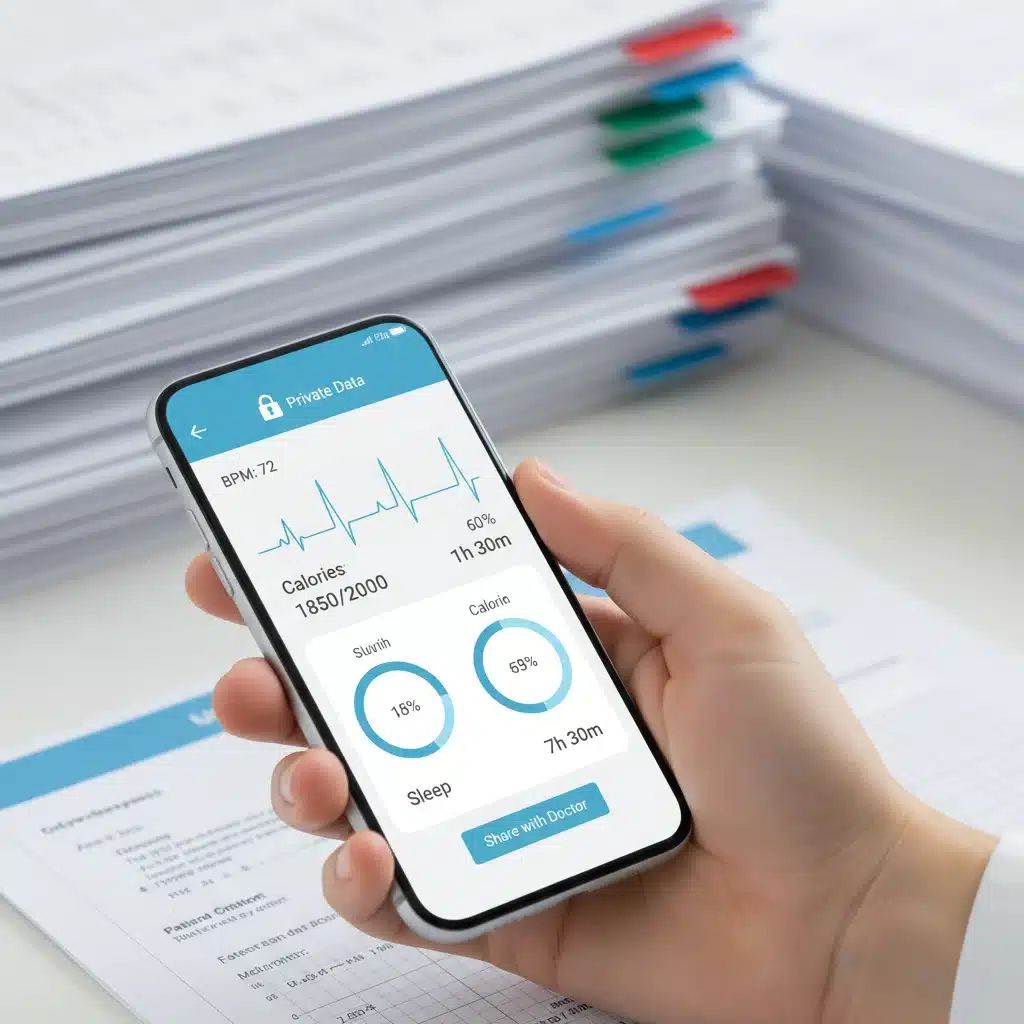
Beyond the direct legal implications, the ruling could also influence public perception and behavior. A clear and strong stance on healthcare data privacy from the highest court could educate the public on the importance of protecting their health information and encourage more proactive steps in managing their digital footprint. It could also spur the development of user-friendly tools and platforms that give individuals more granular control over their data, fostering a more transparent and trustworthy digital health ecosystem.
Implications for Healthcare Providers and Institutions
Healthcare providers, hospitals, and other covered entities under HIPAA stand to be significantly affected by this ruling. Depending on the Court’s decision, they might face new compliance burdens, requiring substantial updates to their data handling policies, technology infrastructure, and training programs. If the scope of protected health information or the definition of covered entities expands, organizations might need to re-evaluate their entire data governance strategies to ensure adherence to the new legal standards for healthcare data privacy.
For example, if the Court mandates stricter rules for data sharing with third-party vendors, providers might need to renegotiate contracts, implement more rigorous vetting processes for technology partners, and invest in advanced data encryption and anonymization techniques. The administrative and financial costs associated with these changes could be considerable, especially for smaller practices or rural hospitals with limited resources. However, these investments could also lead to a more secure and resilient healthcare data environment, ultimately benefiting both providers and patients.
On the other hand, a ruling that provides greater flexibility for data use could potentially streamline certain operations, facilitate research collaborations, and accelerate the adoption of innovative technologies. However, even in such a scenario, providers would still need to navigate the ethical considerations and maintain patient trust. The Supreme Court’s stance on healthcare data privacy will undoubtedly set a precedent for how these organizations manage risk, ensure compliance, and continue to deliver high-quality care in an increasingly data-driven world.
The Technology Sector and Digital Health Innovation
The tech industry, particularly companies involved in digital health, health apps, wearables, and AI-driven medical solutions, has a vested interest in the outcome of this ruling. Many of these companies operate in a regulatory gray area, collecting vast amounts of health-related data without being directly subject to HIPAA. A Supreme Court decision that expands the definition of protected health information or extends privacy obligations to a broader range of entities could fundamentally alter their business models and product development strategies.
For tech innovators, the ruling on healthcare data privacy could present both challenges and opportunities. On the challenging side, increased regulatory scrutiny and compliance requirements might necessitate significant investments in legal counsel, privacy-by-design principles, and robust security infrastructures. This could slow down the pace of innovation for some, particularly smaller startups. There might also be a need to re-evaluate how data is collected, stored, processed, and shared, potentially leading to redesigns of existing products and services.
However, a clear and comprehensive legal framework for healthcare data privacy could also foster greater trust among consumers, leading to wider adoption of digital health technologies. If users feel confident that their data is protected by law, they may be more willing to engage with health apps and services, providing a larger market for innovative solutions. Furthermore, a defined regulatory landscape could create a level playing field, encouraging responsible innovation and differentiating companies that prioritize privacy from those that do not. The ruling could catalyze the development of new privacy-enhancing technologies and services, creating new market segments within the digital health space.
Comparing with International Standards: GDPR and Beyond
The United States’ approach to healthcare data privacy has often been compared to more stringent international standards, notably the General Data Protection Regulation (GDPR) in the European Union. GDPR adopts a broader definition of personal data and grants individuals extensive rights over their information, including the right to access, rectify, erase, and restrict processing. It also imposes strict requirements for consent and mandates data protection by design and default.
The Supreme Court’s ruling could potentially move U.S. healthcare data privacy laws closer to these international benchmarks, particularly if it emphasizes individual control and broadens the scope of protected data. Such a convergence could simplify compliance for multinational healthcare organizations and tech companies operating in both the U.S. and Europe. Conversely, a ruling that maintains or further entrenches a fragmented approach could exacerbate challenges for global entities, requiring them to manage disparate privacy standards across jurisdictions.
Understanding these international comparisons is vital because healthcare data often transcends national borders, especially with the rise of global research collaborations and telemedicine. The Court’s decision will not only shape domestic policy but also influence the U.S.’s standing in the global conversation about digital rights and data governance, particularly concerning sensitive health information.
Preparing for the Ruling: A Call to Action for Stakeholders
Given the imminent nature of the Supreme Court’s decision on healthcare data privacy, all stakeholders must begin preparing now. Proactive measures can mitigate risks and position organizations to adapt swiftly to the new legal environment.
- For Healthcare Providers: Conduct a comprehensive audit of current data handling practices, consent forms, and third-party vendor agreements. Review and update HIPAA compliance programs, focusing on potential expansions of PHI definitions or covered entities. Invest in employee training on new privacy protocols.
- For Technology Companies: Assess data collection, storage, and processing practices against potential stricter privacy standards. Prioritize privacy-by-design in product development. Engage with legal counsel experienced in data privacy to understand potential new regulatory obligations. Consider adopting industry best practices that align with broader privacy principles, even if not explicitly mandated.
- For Patients and Consumers: Stay informed about the ruling and its implications. Review the privacy policies of health apps and services they use. Be mindful of the data they share online and consider utilizing privacy-enhancing settings on their devices. Advocate for stronger privacy protections through consumer groups and legislative channels.
- For Policymakers and Legislators: Be prepared to interpret and potentially refine existing laws or introduce new legislation in response to the Court’s ruling. The decision could highlight areas where statutory clarity is needed, prompting legislative action to either reinforce or modify the Court’s directives on healthcare data privacy.

The period leading up to and immediately following the Supreme Court’s announcement will be critical. Organizations that have a robust understanding of their data flows, strong governance practices, and a culture of privacy will be better equipped to navigate the changes. Furthermore, transparent communication with patients and users about how their data is protected will be essential for maintaining trust and fostering continued engagement with digital health services.
The Future of Healthcare Data Privacy: Beyond the Ruling
Regardless of the specifics of the Supreme Court’s ruling, the conversation around healthcare data privacy is far from over. The rapid pace of technological innovation, particularly in areas like genomics, AI-driven diagnostics, and continuous remote monitoring, will continue to introduce new challenges and ethical dilemmas. The legal framework must evolve to keep pace with these advancements, ensuring that privacy protections remain robust without stifling beneficial innovation.
This ruling will serve as a foundational moment, setting the tone for future discussions and legislative efforts. It could catalyze a broader push for a comprehensive federal data privacy law in the United States, similar to GDPR, which would provide a more unified and predictable regulatory environment for all types of personal data, including health information. Such a law could address the fragmentation that currently exists and offer a more consistent level of protection across different sectors.
Ultimately, the goal is to strike a delicate balance: harnessing the immense potential of health data to improve patient care and public health, while rigorously upholding individual rights to privacy and autonomy. The Supreme Court’s impending decision on healthcare data privacy is not just a legal pronouncement; it is a critical step in defining this future, shaping how we interact with our health information, and determining the trust we place in the systems designed to care for us.
Conclusion: A Defining Moment for Healthcare Data Privacy
The countdown to the Supreme Court’s ruling on healthcare data privacy has begun, with a decision expected within the next three months. This will be a defining moment, impacting every facet of the healthcare ecosystem – from individual patients and their fundamental rights to privacy, to the operational complexities of healthcare providers, and the innovative trajectories of digital health companies. The implications are far-reaching, potentially reshaping legal precedents, technological development, and public trust in health information management.
As the legal community, industry leaders, and privacy advocates await this landmark decision, the imperative for preparedness cannot be overstated. Understanding the nuances of the current debate, anticipating potential outcomes, and proactively adapting strategies will be crucial for navigating the post-ruling landscape. The Supreme Court’s pronouncement will not only clarify existing ambiguities but also lay the groundwork for the future of healthcare data privacy in an increasingly digital world, ensuring that progress in health technology is met with commensurate advancements in data protection and ethical governance.