2026 Economic Forecast: Preparing Your Finances for 2.5% US GDP Growth

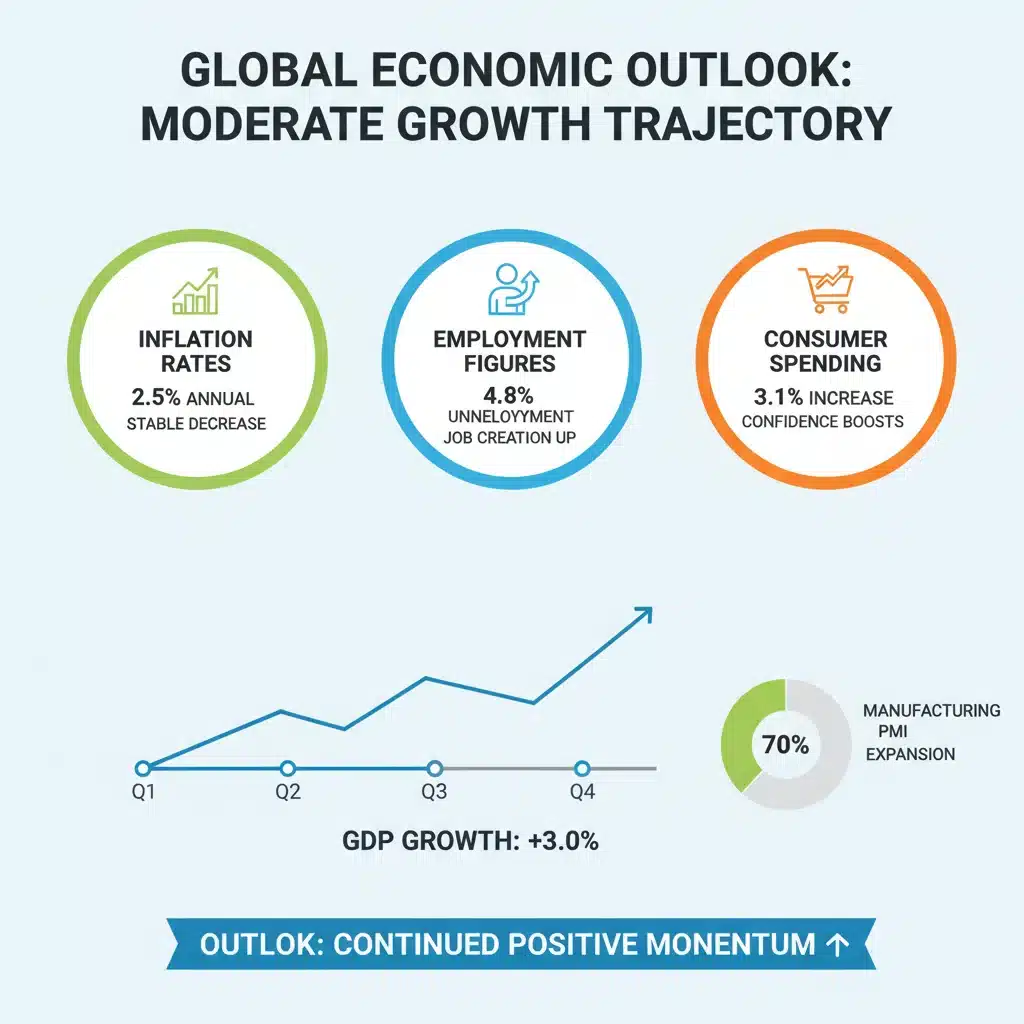
The economic landscape is a dynamic and ever-evolving entity, constantly shaped by a confluence of global events, technological advancements, and policy decisions. As we look ahead to 2026, the United States economy is projected to experience a steady 2.5% GDP growth. This 2026 economic forecast presents both opportunities and challenges for individuals, businesses, and investors alike. Understanding the nuances of this projection and its potential impacts is crucial for effective financial planning and strategic decision-making. In this comprehensive guide, we will delve into the factors influencing this forecast, explore its implications across various sectors, and provide actionable strategies to help you prepare your finances for a prosperous future.
Understanding the 2026 Economic Forecast: Key Drivers of Growth
The projected 2.5% GDP growth for the U.S. in 2026 is not an arbitrary number; it’s a carefully calculated estimate based on a multitude of economic indicators and expert analyses. Several key drivers are expected to underpin this growth:
- Consumer Spending Resilience: Despite periods of inflation and economic uncertainty, American consumers have consistently demonstrated resilience. A strong labor market, wage growth, and a gradual easing of inflationary pressures are anticipated to sustain robust consumer spending, which forms a significant portion of the U.S. GDP. Understanding how this consumer behavior will evolve is central to the 2026 economic forecast.
- Business Investment: Companies are expected to continue investing in technology, infrastructure, and innovation. This includes capital expenditures in areas like artificial intelligence, renewable energy, and advanced manufacturing. Increased business investment not only boosts productivity but also creates jobs and stimulates economic activity. This trend is a vital component of the positive 2026 economic forecast.
- Technological Innovation: Rapid advancements in technology, particularly in AI, automation, and biotechnology, are set to drive new industries and efficiencies. These innovations can lead to increased productivity, new products and services, and ultimately, economic expansion. The pace of technological adoption will significantly influence the overall 2026 economic forecast.
- Government Spending and Policy: Government policies related to infrastructure, clean energy initiatives, and fiscal stimulus can play a crucial role in economic growth. While the exact scope of future government spending remains subject to political developments, targeted investments are likely to contribute positively to GDP. The impact of these policies will be closely watched in the context of the 2026 economic forecast.
- Global Economic Stability: The U.S. economy does not operate in a vacuum. The health of the global economy, international trade relations, and geopolitical stability will also influence domestic growth. A more stable global environment generally bodes well for U.S. exports and international investment.
Implications of a 2.5% GDP Growth for Your Investments
A 2.5% GDP growth rate, while not exceptionally high, signifies a healthy and sustainable expansion. For investors, this moderate growth environment presents a unique set of opportunities and considerations. Your investment strategy should be tailored to capitalize on these conditions while mitigating potential risks.
Stock Market Performance
Historically, periods of moderate GDP growth are often associated with positive, albeit not explosive, stock market performance. Companies tend to see steady earnings growth, which can translate into appreciating stock prices. However, sector-specific performance can vary significantly.
- Technology Sector: Given the emphasis on technological innovation as a growth driver, the technology sector is likely to remain a strong performer. Companies at the forefront of AI, cloud computing, and cybersecurity could see substantial gains.
- Healthcare and Biotechnology: Demographic shifts and ongoing advancements in medical science will likely fuel continued growth in the healthcare and biotechnology sectors.
- Renewable Energy: Government incentives and increasing consumer demand for sustainable solutions could make renewable energy a lucrative investment area.
- Consumer Discretionary: As consumer spending remains resilient, sectors like retail, entertainment, and travel could also perform well.
Fixed Income and Bonds
In an environment of steady growth, interest rates may remain relatively stable or experience gradual increases. This could impact bond yields and prices. Investors should consider:
- Diversification: A diversified bond portfolio, including a mix of short-term and long-term bonds, as well as corporate and government bonds, can help manage interest rate risk.
- Inflation-Protected Securities: While inflation is expected to moderate, inflation-protected securities (TIPS) can offer a hedge against unexpected price increases.
Real Estate
The real estate market is highly sensitive to economic growth, interest rates, and population trends. A 2.5% GDP growth could lead to a stable, albeit competitive, real estate market. Key considerations include:
- Residential Real Estate: Continued job growth and consumer confidence could support demand for housing, but affordability remains a key concern.
- Commercial Real Estate: The performance of commercial real estate will depend on specific sectors, with industrial and data center properties likely to outperform traditional office spaces.
Personal Finance Strategies for the 2026 Economic Forecast
Beyond investments, the 2026 economic forecast also has significant implications for your personal finances. Proactive planning can help you maximize opportunities and build greater financial security.
Budgeting and Saving
A healthy economy encourages spending, but it’s crucial to maintain disciplined budgeting and saving habits. With potential wage growth, consider increasing your savings rate to build a stronger financial foundation.
- Emergency Fund: Ensure your emergency fund is robust enough to cover 3-6 months of living expenses. This provides a critical safety net against unexpected events.
- Automate Savings: Set up automatic transfers to your savings and investment accounts to ensure consistent contributions.
- Review Expenses: Regularly review your budget to identify areas where you can cut unnecessary expenses and reallocate funds towards savings or debt repayment.
Debt Management
Rising interest rates, even if gradual, can make debt more expensive. Prioritizing debt repayment, especially high-interest debt, should be a key focus.
- Pay Down High-Interest Debt: Focus on credit card debt and personal loans first, as these typically carry the highest interest rates.
- Refinance if Possible: If interest rates are favorable, consider refinancing mortgages or other loans to secure lower rates.
- Avoid New Unnecessary Debt: Be mindful of taking on new debt, especially for depreciating assets, during periods of economic growth.
Career and Skill Development
A growing economy often translates to a strong job market. Investing in your career and skill development can enhance your earning potential and job security.
- Upskill and Reskill: Identify in-demand skills in your industry and invest in courses or certifications to stay competitive.
- Networking: Expand your professional network to uncover new opportunities and gain insights into industry trends.
- Negotiate Your Salary: With a strong labor market, you may have more leverage to negotiate for higher salaries or better benefits.
Navigating Potential Risks and Challenges
While the 2026 economic forecast is generally positive, it’s essential to acknowledge potential risks and challenges that could impact the trajectory of growth. A well-rounded financial strategy always accounts for contingencies.
Inflationary Pressures
While inflation is expected to moderate, unforeseen supply chain disruptions or geopolitical events could reignite price pressures. This would impact purchasing power and investment returns. Monitoring inflation trends will be crucial for the 2026 economic forecast.
Geopolitical Instability
Global conflicts, trade disputes, or political uncertainties can introduce volatility into markets and disrupt economic activity. Staying informed about international developments is important for understanding potential impacts.
Interest Rate Fluctuations
Central bank policies regarding interest rates will continue to be a significant factor. Unexpected rate hikes could dampen economic growth and impact borrowing costs. The Federal Reserve’s decisions will heavily influence the actual 2026 economic forecast.
Technological Disruption
While technology is a growth driver, it can also lead to job displacement in certain sectors. Individuals and businesses need to adapt to these changes to remain competitive.
Sector-Specific Outlook in the 2026 Economic Forecast
A 2.5% GDP growth isn’t uniform across all sectors. Some industries are poised for significant expansion, while others may face headwinds. Understanding these dynamics is key to making informed decisions.
Manufacturing and Industrials
Reshoring initiatives and investments in advanced manufacturing technologies could provide a boost to the manufacturing sector. Automation and AI integration will be critical for enhancing productivity.
Service Sector
As the largest component of the U.S. economy, the service sector is expected to continue its growth trajectory, driven by consumer spending in areas like healthcare, hospitality, and professional services.
Energy Sector
The energy sector will likely see continued transition towards renewable sources, alongside ongoing demand for traditional energy. Investments in green technologies and energy efficiency will be prominent.
Agriculture
The agriculture sector will continue to face challenges related to climate change and global food demand, but technological advancements in precision agriculture and sustainable farming practices offer opportunities for growth and efficiency.
Long-Term Financial Planning Beyond 2026
While the 2026 economic forecast provides a valuable snapshot, effective financial planning extends far beyond a single year. It’s about building a resilient financial framework that can adapt to various economic cycles.
Diversification Remains Key
A well-diversified portfolio across different asset classes, geographies, and industries is the cornerstone of long-term financial success. This strategy helps mitigate risks and capture growth opportunities wherever they arise.
Regular Portfolio Review
Don’t set and forget your investments. Regularly review your portfolio to ensure it aligns with your financial goals, risk tolerance, and the prevailing economic conditions. Rebalance as necessary to maintain your desired asset allocation.
Continuous Learning
The financial world is constantly evolving. Stay informed about economic trends, market developments, and new investment opportunities. Continuous learning empowers you to make smarter financial decisions.
Professional Guidance
Consider working with a qualified financial advisor. They can provide personalized advice, help you navigate complex financial decisions, and ensure your strategy is optimized for your unique circumstances and the broader 2026 economic forecast.
Conclusion: Embracing the Future with Confidence
The projected 2.5% GDP growth for the U.S. in 2026 paints a picture of steady economic expansion. By understanding the underlying drivers, implications for investments, and necessary personal finance adjustments, you can position yourself to thrive in this environment. The 2026 economic forecast is not just a prediction; it’s a call to action for proactive financial planning. Embrace the opportunities, prepare for potential challenges, and build a robust financial future with confidence and informed decision-making.
Remember, while forecasts provide valuable guidance, the future is always subject to change. Agility, adaptability, and a commitment to continuous learning will be your greatest assets in navigating the economic landscape of 2026 and beyond. Start planning today to transform this economic outlook into your personal financial success story.