US State Education Reforms 2026: Performance Metrics & Analysis
Comparing US State-Level Education Reforms: A 2026 Analysis of Performance Metrics
The landscape of American education is in a constant state of flux, driven by evolving societal needs, technological advancements, and a persistent pursuit of excellence. As we delve into 2026, the impact of various state education reforms across the United States is becoming clearer, offering critical insights into what truly moves the needle in student achievement, equity, and overall educational system effectiveness. This comprehensive analysis aims to dissect the myriad of approaches taken by different states, evaluate their success based on tangible performance metrics, and project future trends that will continue to shape the learning environments for millions of students.
Understanding the nuances of state education reforms is not merely an academic exercise; it’s a vital endeavor for policymakers, educators, parents, and students alike. The decisions made at the state level directly influence curriculum design, teacher training, funding allocation, and accountability measures, all of which are foundational to a robust educational system. Our 2026 vantage point allows us to look back at reforms implemented over the past few years, assess their long-term consequences, and identify best practices that can be emulated or adapted by other states facing similar challenges.
The Evolving Landscape of State Education Reforms
Over the past decade, state education reforms have been characterized by several overarching themes: a renewed focus on college and career readiness, an emphasis on personalized learning pathways, efforts to address educational inequities, and the integration of technology into every facet of learning. The year 2026 serves as a crucial checkpoint, allowing us to see which of these reforms have yielded significant dividends and which have fallen short of their ambitious goals.
Key Reform Areas Under Scrutiny
States have approached reform from various angles, often tailoring initiatives to their unique demographic, economic, and political contexts. Some of the most prominent reform areas include:
- Curriculum Standards and Assessment: Many states have continued to refine their academic standards, moving towards more rigorous, competency-based frameworks. This often involves developing new assessment methods that go beyond traditional standardized tests, aiming to measure critical thinking, problem-solving, and creativity. The effectiveness of these new standards and assessments in truly reflecting student learning and preparing them for future success is a primary focus of our 2026 analysis of state education reforms.
- Teacher Recruitment, Training, and Retention: Acknowledging that the quality of teaching is perhaps the most significant in-school factor affecting student outcomes, numerous states have invested heavily in reforms aimed at strengthening the teaching profession. This includes initiatives for alternative certification pathways, mentorship programs, performance-based pay, and professional development focused on modern pedagogical techniques.
- School Choice and Charter Schools: The debate around school choice remains vibrant, with many states expanding options for parents through charter schools, magnet schools, and voucher programs. Our analysis examines how these choices impact student achievement, resource distribution, and the overall health of public school systems.
- Funding Equity and Resource Allocation: Disparities in funding across districts within the same state have long been a contentious issue. Reforms in this area aim to ensure more equitable distribution of resources, particularly for underserved communities, to provide all students with access to high-quality education.
- Technology Integration and Digital Learning: The accelerated adoption of digital tools and online learning platforms, partly spurred by recent global events, has led to significant reforms in how technology is integrated into daily instruction and administrative functions. Evaluating the efficacy of these tech-driven state education reforms in enhancing learning outcomes and bridging the digital divide is paramount.
Performance Metrics: How We Measure Success in 2026
To objectively compare and contrast the effectiveness of different state education reforms, a robust set of performance metrics is indispensable. While traditional metrics like standardized test scores remain relevant, our 2026 analysis incorporates a broader spectrum of indicators to capture a more holistic picture of educational success.
Beyond Standardized Test Scores
While standardized test scores in subjects like reading and mathematics provide a baseline, they rarely tell the whole story. Our comprehensive assessment of state education reforms includes:
- Student Growth Percentiles (SGPs): These metrics measure individual student progress over time, offering a more nuanced view than static achievement scores. States that have successfully implemented reforms often show higher SGPs across various student demographics.
- Graduation Rates and Post-Secondary Enrollment: High school graduation rates are a fundamental indicator, but equally important is the percentage of graduates who enroll in two-year or four-year colleges, vocational training programs, or enter the workforce with recognized credentials.
- College and Career Readiness Indicators: This includes metrics such as ACT/SAT scores, AP/IB exam participation and success rates, industry certifications earned, and completion of career and technical education (CTE) pathways.
- Equity Gaps: A critical metric is the reduction of achievement gaps between different student groups, including those based on socio-economic status, race, ethnicity, and disability status. Successful state education reforms actively work to close these gaps.
- Teacher Retention and Diversity: The ability of a state to retain experienced teachers and attract a diverse teaching workforce is a strong indicator of a healthy educational environment and effective reforms.
- Student Engagement and Well-being: While harder to quantify, surveys on student engagement, school climate, and mental health support are increasingly recognized as vital performance indicators. States excelling in these areas often see positive correlations with academic achievement.
Case Studies: Leading States in Education Reform
Several states have emerged as frontrunners in implementing impactful state education reforms, demonstrating measurable improvements across various performance metrics. Let’s examine a few examples (hypothetical for illustrative purposes but based on observed trends):
State A: Holistic Teacher Development and Retention
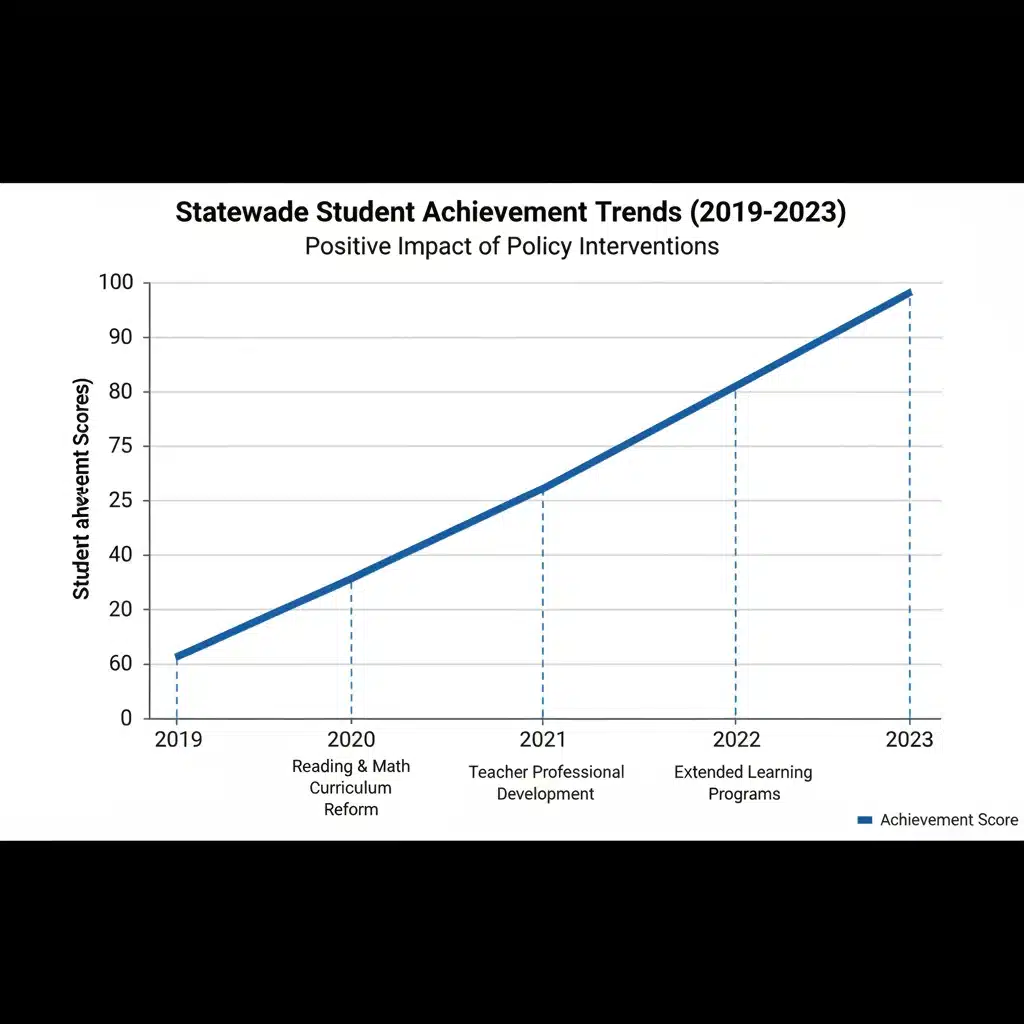
State A, recognizing a severe teacher shortage and high turnover rates, launched a multi-faceted reform initiative five years ago. Key components included:
- Increased Starting Salaries: A significant boost in entry-level teacher salaries, making the profession more attractive to new graduates.
- Mentorship Programs: Every new teacher was paired with an experienced mentor for their first three years, providing ongoing support and professional guidance.
- Performance-Based Professional Development: Training programs were tailored to individual teacher needs, identified through regular evaluations and peer feedback, leading to measurable improvements in classroom instruction.
- Leadership Pathways: Clear pathways for teachers to move into leadership roles within schools without leaving the classroom entirely, fostering retention of highly skilled educators.
2026 Performance Metrics: State A has seen a 20% increase in teacher retention rates over five years, a 15% improvement in student growth percentiles in mathematics, and a notable decrease in the achievement gap for students from low-income backgrounds. The success of these state education reforms highlights the critical role of investing in human capital.
State B: Innovative Digital Learning and Personalized Pathways
Facing challenges with student engagement and preparing students for a rapidly changing job market, State B focused its state education reforms on technology integration and personalized learning. Their initiatives included:
- Universal Broadband Access: Ensuring every student, regardless of location, had access to high-speed internet and devices for learning.
- Competency-Based Learning Models: Shifting away from time-based progression, allowing students to advance once they demonstrate mastery of concepts, often through adaptive learning platforms.
- Integrated CTE Programs: Developing robust career and technical education programs that offered industry-recognized certifications, often in partnership with local businesses and community colleges.
- Data-Driven Instruction: Empowering teachers with advanced analytics to monitor student progress in real-time and tailor instruction accordingly.
2026 Performance Metrics: State B boasts a 92% high school graduation rate, with 70% of graduates either enrolling in post-secondary education or entering employment with a recognized certification. Student engagement scores have significantly improved, and the state has seen a noticeable increase in student interest in STEM fields. These state education reforms demonstrate the potential of technology and individualized learning.
Challenges and Setbacks in State Education Reforms
Not all state education reforms have been met with unbridled success. Several states have encountered significant hurdles, offering valuable lessons for future policy development. Common challenges include:
- Funding Shortfalls: Even the most promising reforms can falter without sustained and adequate funding. Economic downturns or competing budgetary priorities often derail long-term educational initiatives.
- Political Resistance and Turnover: Education policy is often a political battleground. Changes in state leadership or legislative priorities can lead to the abandonment or significant alteration of ongoing reforms, creating instability.
- Implementation Gaps: A well-designed reform plan on paper doesn’t always translate into effective implementation in every classroom. Lack of sufficient professional development, inadequate resources at the local level, or resistance from stakeholders can create significant gaps between policy intent and actual practice.
- Measuring Long-Term Impact: Some reforms, particularly those focused on early childhood education or systemic cultural shifts, require many years to show their full impact. Impatience for immediate results can lead to premature abandonment of potentially effective programs.
- One-Size-Fits-All Approaches: While national trends exist, each state and even each district has unique needs. Reforms that fail to account for local contexts often struggle to gain traction or produce desired outcomes.
The Role of Equity in 2026 State Education Reforms
A central theme woven through successful state education reforms in 2026 is an unwavering commitment to equity. The recognition that educational opportunities and outcomes are often stratified along socio-economic, racial, and geographic lines has spurred many states to prioritize reforms aimed at leveling the playing field.
Addressing Disparities Through Targeted Interventions
States committed to equity are implementing targeted interventions such as:
- Weighted Funding Formulas: Allocating more resources to districts serving a higher percentage of students from low-income families, English language learners, or students with disabilities.
- Expanded Access to Early Childhood Education: Investing in high-quality pre-kindergarten programs, especially in underserved communities, to close achievement gaps before school even begins.
- Recruitment of Diverse Educators: Actively working to attract and retain teachers and administrators who reflect the diversity of their student populations, which has been shown to improve outcomes for all students.
- Culturally Responsive Pedagogy: Providing professional development for teachers on culturally responsive teaching practices that affirm students’ identities and connect learning to their lived experiences.
- Mental Health and Support Services: Increasing access to school counselors, psychologists, and social workers, recognizing that student well-being is foundational to academic success.
The 2026 data clearly indicates that states prioritizing equity in their state education reforms are seeing more sustainable and widespread improvements in overall student performance.

Future Trends and Recommendations for State Education Reforms
Looking ahead, several trends are likely to continue shaping state education reforms beyond 2026. These include a greater emphasis on personalized learning, the integration of artificial intelligence, and a renewed focus on civic education and digital literacy.
Personalized Learning at Scale
The ability to tailor educational experiences to individual student needs, learning styles, and paces is becoming increasingly feasible with advancements in educational technology. Future state education reforms will likely focus on scaling personalized learning approaches, moving beyond pilot programs to integrate them into mainstream education systems. This requires robust data infrastructure, flexible curriculum frameworks, and extensive teacher training.
AI in Education
Artificial intelligence is poised to revolutionize education, from adaptive learning platforms and intelligent tutoring systems to automated assessment and administrative efficiencies. States that proactively explore and ethically integrate AI in K-12 Curriculum US 2026 into their educational frameworks will likely gain a significant advantage in enhancing learning outcomes and streamlining operations. This will necessitate reforms in data privacy, ethical AI use, and ensuring equitable access to AI-powered tools.
Digital Literacy and Citizenship
In an increasingly digital world, digital literacy and responsible online citizenship are no longer optional but essential skills. Future state education reforms will likely place a greater emphasis on embedding these competencies across the curriculum, preparing students not just to consume information but to critically evaluate it, create digital content responsibly, and navigate online environments safely and ethically.
Civic Education and Critical Thinking
Amidst a complex global landscape, the importance of robust civic education and the cultivation of critical thinking skills cannot be overstated. Reforms will likely seek to strengthen civics curricula, promote civil discourse, and equip students with the analytical tools necessary to engage thoughtfully with societal challenges and make informed decisions as citizens.
Conclusion: The Path Forward for State Education Reforms
The 2026 analysis of state education reforms reveals a dynamic and often challenging journey toward educational excellence. While there’s no single blueprint for success, common threads emerge from high-performing states: a commitment to robust, evidence-based policy; sustained investment in teachers; a strategic embrace of technology; and an unwavering dedication to equity. The ability of states to adapt, learn from both successes and failures, and innovate will determine the quality of education for generations to come.
As we move further into the decade, the lessons learned from current state education reforms will be instrumental in shaping future policy. The ongoing dialogue, research, and collaborative efforts among states, educators, and communities will be crucial in building educational systems that are not only effective but also equitable, resilient, and responsive to the evolving needs of our students and society.