The Impact of AI on US K-12 Education: 3 Critical Trends for Educators by 2027
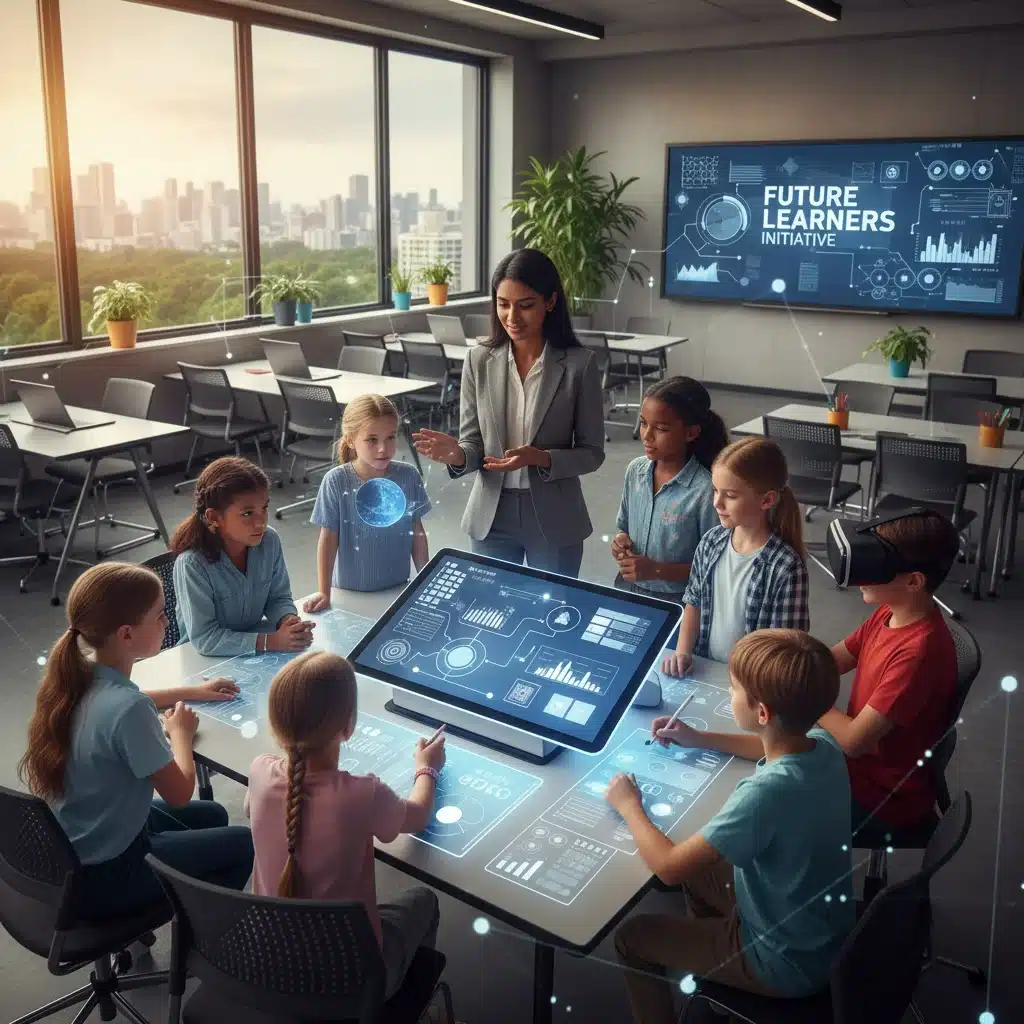
The dawn of artificial intelligence (AI) has ushered in an era of unprecedented transformation across nearly every sector, and education is no exception. Specifically, within US K-12 education, AI is not merely a futuristic concept but a present reality rapidly reshaping teaching, learning, and administrative practices. As we look towards 2027, the trajectory of AI integration points to several critical trends that educators, administrators, and policymakers must understand and proactively address. This comprehensive exploration delves into three pivotal AI K-12 Education Trends that are set to redefine the educational landscape, offering insights and strategies for navigating this exciting yet complex evolution.
Anúncios
The conversation around AI in education often evokes a mix of excitement and apprehension. On one hand, the potential for personalized learning, enhanced efficiency, and equitable access to resources is immense. On the other, concerns about job displacement, data privacy, algorithmic bias, and the fundamental nature of human interaction in learning loom large. Our goal here is not to shy away from these complexities but to provide a clear, actionable framework for understanding the most impactful AI K-12 Education Trends. By focusing on these key areas, educators can better prepare themselves and their students for a future where AI is an integral part of the learning ecosystem.
The rapid pace of technological advancement means that what seems cutting-edge today could be standard practice tomorrow. For K-12 educators, staying abreast of these changes is not just about adopting new tools; it’s about fundamentally rethinking pedagogical approaches, curriculum design, and the very structure of educational institutions. The year 2027 serves as a crucial benchmark, a point by which these trends will have matured significantly, demanding a strategic response from all stakeholders in US K-12 education. Let’s explore these transformative trends in detail.
Trend 1: Hyper-Personalized Learning Pathways and Adaptive Content Delivery
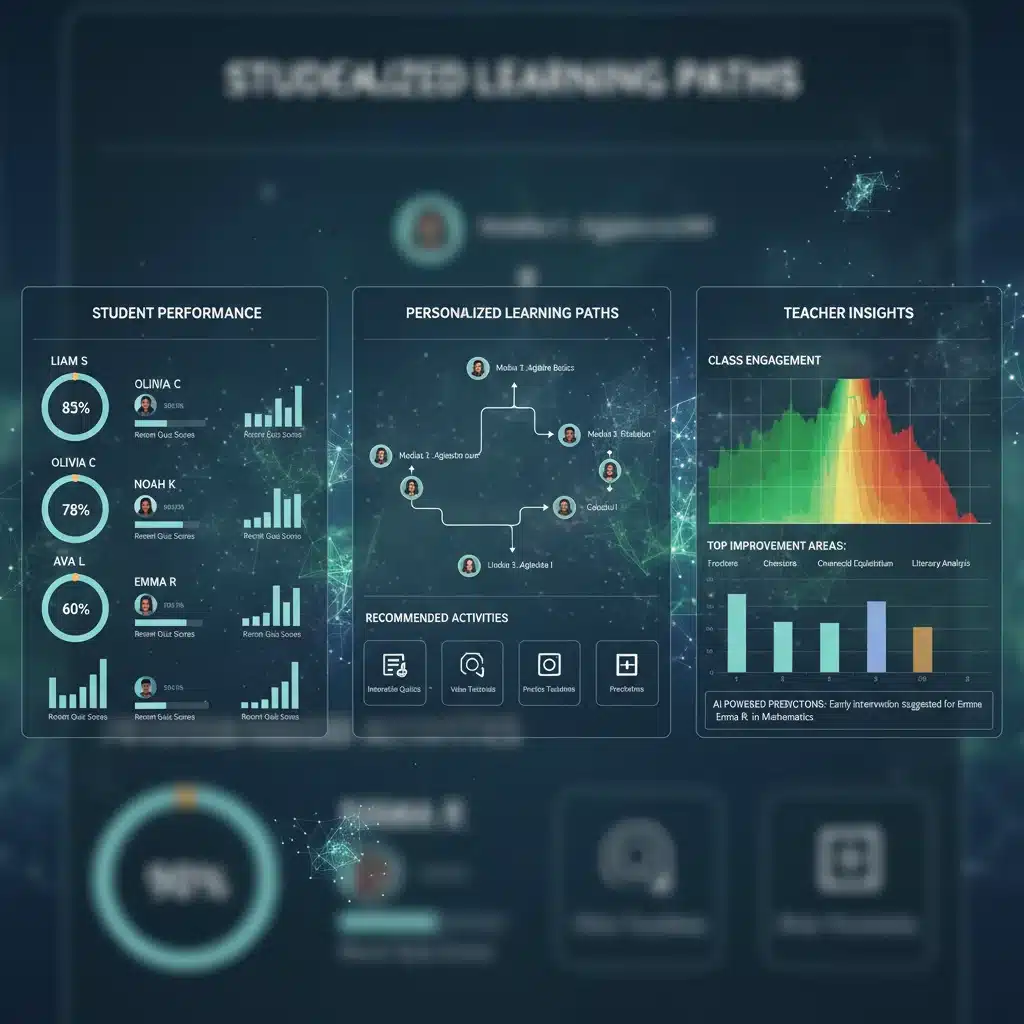
One of the most profound AI K-12 Education Trends emerging is the shift towards hyper-personalized learning pathways. For decades, educators have aspired to tailor instruction to individual student needs, but the sheer scale of this endeavor often made it impractical. AI, however, is changing this reality dramatically. AI-powered platforms can analyze vast amounts of student data – including learning styles, pace, strengths, weaknesses, and even emotional responses – to create dynamic, individualized learning journeys. This goes far beyond traditional differentiation, offering a truly bespoke educational experience for each student.
What Does Hyper-Personalization Entail?
- Adaptive Assessments: AI systems can continuously assess student understanding, adjusting the difficulty and type of questions in real-time. This ensures that students are always challenged appropriately, preventing boredom from easy tasks and frustration from overly difficult ones.
- Tailored Content Recommendations: Based on performance and learning preferences, AI can recommend specific articles, videos, interactive simulations, or practice problems. If a student struggles with a concept, the AI can provide alternative explanations or resources until mastery is achieved.
- Pace Customization: Students can progress through material at their own optimal pace. Advanced learners aren’t held back, and those needing more time receive it without feeling rushed or falling behind their peers in a traditional classroom setting.
- Identification of Learning Gaps: AI algorithms are exceptionally adept at identifying subtle patterns in student performance that might indicate foundational knowledge gaps. This allows for targeted interventions before minor issues become major obstacles.
- Automated Tutoring and Feedback: While not replacing human teachers, AI can offer instant, constructive feedback on assignments, essays, and problem-solving, acting as an always-available tutor.
Implications for Educators by 2027
For educators, this trend means a significant evolution of their role. Instead of being the sole purveyors of information, teachers will become facilitators, mentors, and diagnosticians. Their expertise will shift towards:
- Curating and Validating AI-Generated Content: Teachers will need to critically evaluate the quality and appropriateness of AI-recommended content, ensuring it aligns with curriculum goals and pedagogical best practices.
- Interpreting AI Data: Understanding the analytics provided by AI platforms will be crucial for making informed instructional decisions, identifying students who need human intervention, and designing targeted group activities.
- Fostering Social-Emotional Learning: As AI handles more of the content delivery, educators can focus more on developing students’ critical thinking, creativity, collaboration, and socio-emotional skills – areas where human interaction is irreplaceable.
- Designing Engaging Projects: With foundational content personalized by AI, teachers can dedicate more time to designing complex, interdisciplinary projects that encourage deeper learning and application of knowledge.
The promise of hyper-personalized learning is a more equitable and effective education system, where every student has the opportunity to reach their full potential. However, its successful implementation hinges on robust technological infrastructure, comprehensive teacher training, and a thoughtful approach to data privacy and security.
Trend 2: Enhanced Administrative Efficiency and Operational Streamlining
Beyond the classroom, another significant area where AI K-12 Education Trends are making a substantial impact is in administrative and operational efficiency. School districts and individual schools often grapple with mountains of paperwork, repetitive tasks, and complex logistical challenges. AI offers powerful solutions to automate these processes, freeing up valuable time and resources that can be redirected towards teaching and learning.
Key Areas of Administrative AI Application
- Automated Grading and Feedback for Routine Tasks: AI can efficiently grade multiple-choice questions, fill-in-the-blank assignments, and even provide preliminary feedback on essays based on rubrics, significantly reducing teacher workload.
- Resource Allocation and Scheduling Optimization: AI algorithms can optimize bus routes, classroom assignments, teacher schedules, and even cafeteria meal planning, leading to cost savings and improved operational flow. For instance, predictive analytics can forecast student enrollment more accurately, aiding in staffing decisions.
- Data Analysis for Strategic Planning: AI can sift through vast datasets related to student performance, attendance, demographics, and resource utilization to identify trends, predict future needs, and inform strategic decisions for school improvement. This moves beyond simple reporting to genuine predictive insights.
- Communication and Parent Engagement: AI-powered chatbots can handle routine inquiries from parents and students, providing instant answers to frequently asked questions about school policies, events, or assignments. This improves communication efficiency and reduces the burden on administrative staff.
- Security and Safety Systems: AI-driven surveillance systems can enhance campus security by identifying unusual activity or unauthorized individuals, while predictive models can help identify students at risk of truancy or academic decline, allowing for proactive intervention.
- Admissions and Enrollment Management: AI can streamline the application process, manage waitlists, and even assist in matching students with appropriate programs based on their profiles and school offerings.
Benefits and Challenges for Schools by 2027
The benefits of this trend are clear: reduced operational costs, increased efficiency, and more time for educators to focus on their core mission. However, implementing these AI solutions also presents challenges:
- Initial Investment: Adopting sophisticated AI systems requires significant upfront investment in technology, infrastructure, and training.
- Data Integration and Quality: AI systems are only as good as the data they process. Schools will need robust data collection practices and seamless integration across various platforms to maximize AI’s potential.
- Job Role Evolution: While AI automates tasks, it also necessitates new skills for staff to manage and interpret AI outputs. This may require professional development and, in some cases, a redefinition of administrative roles.
- Ensuring Transparency and Accountability: Decisions made by AI, especially those affecting students or staff, must be transparent and accountable. Understanding how algorithms arrive at conclusions is critical.
By 2027, schools that strategically embrace AI for administrative streamlining will likely operate more efficiently, allowing them to allocate more resources directly to student success and teacher support. This will necessitate a cultural shift towards data-driven decision-making and a willingness to embrace new operational paradigms.
Trend 3: Ethical AI Integration and Digital Citizenship
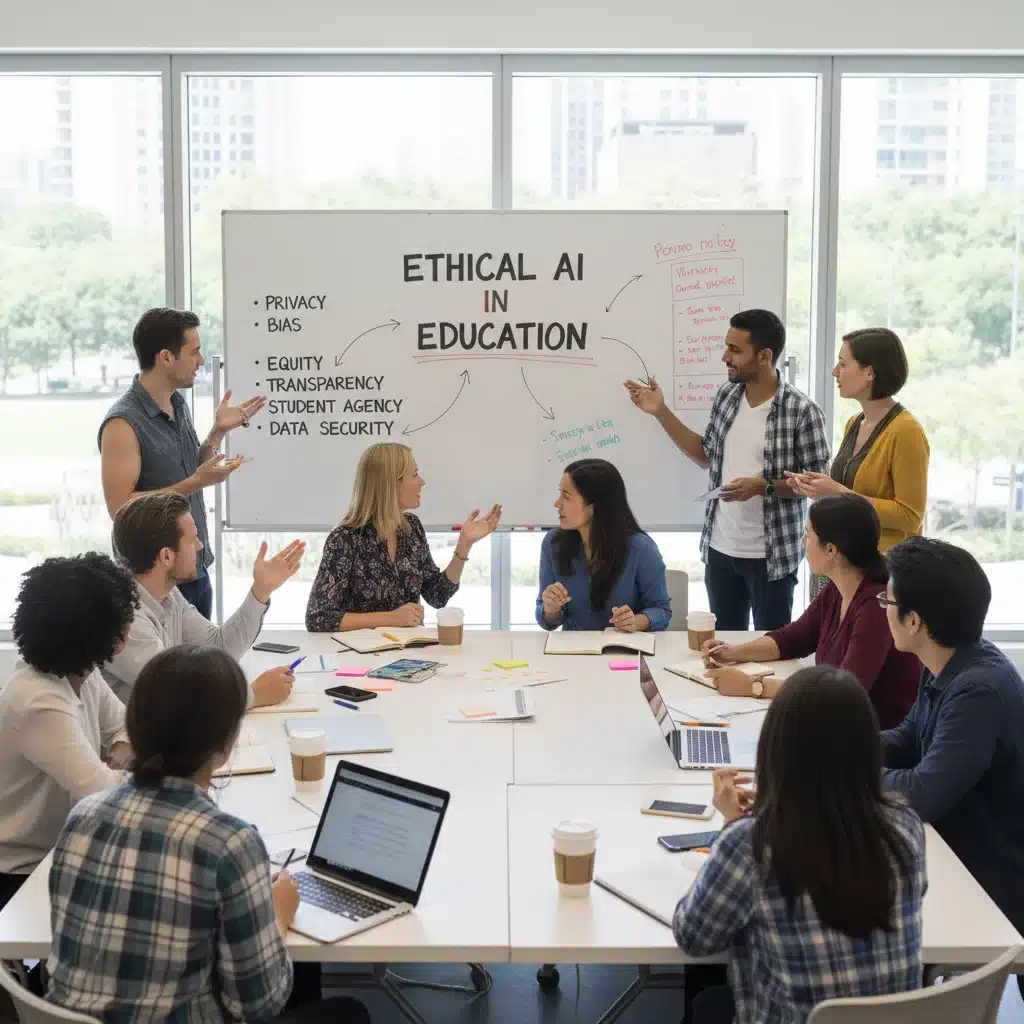
As AI becomes more embedded in US K-12 education, the third critical AI K-12 Education Trends is the paramount importance of ethical AI integration and the cultivation of robust digital citizenship among students and educators. The power of AI brings with it significant responsibilities, and addressing potential pitfalls related to privacy, bias, equity, and the nature of human learning is crucial for ensuring that AI serves, rather than hinders, educational goals.
Core Ethical Considerations in AI Education
- Data Privacy and Security: AI systems rely on vast amounts of student data. Protecting this sensitive information from breaches, misuse, and unauthorized access is non-negotiable. Schools must implement stringent data governance policies and ensure compliance with regulations like FERPA.
- Algorithmic Bias: AI algorithms are trained on data, and if that data reflects existing societal biases (e.g., racial, gender, socioeconomic), the AI can perpetuate or even amplify those biases. This could lead to unfair outcomes in assessments, resource allocation, or even disciplinary actions. Educators must be aware of this potential and advocate for equitable AI design and implementation.
- Equity and Access: The ‘digital divide’ could widen if AI tools are only available to affluent districts or students with reliable internet access and devices. Ensuring equitable access to AI-powered learning tools and the necessary infrastructure is a critical challenge.
- Transparency and Explainability: It’s important to understand how AI systems make decisions. ‘Black box’ algorithms that lack transparency can erode trust and make it difficult to address errors or biases. Educators and students should have a basic understanding of how AI works.
- Impact on Human Connection and Critical Thinking: Over-reliance on AI could potentially diminish the importance of human interaction in learning or reduce students’ capacity for independent critical thinking if they become too reliant on AI for answers. Maintaining a balance is key.
Preparing for Ethical AI Integration by 2027
To navigate these ethical complexities, K-12 education systems must prioritize:
- Developing Comprehensive AI Policies: Schools and districts need clear guidelines regarding AI tool selection, data usage, student privacy, and acceptable AI use for both students and staff.
- Educator Professional Development: Training programs must equip teachers with the knowledge to understand AI’s capabilities and limitations, identify potential biases, and teach digital citizenship effectively. This includes understanding how to critically evaluate AI-generated content.
- Curriculum Integration of Digital Citizenship: Students need to be explicitly taught how to interact responsibly and ethically with AI. This includes understanding AI’s presence in their daily lives, recognizing deepfakes, critically evaluating AI-generated information, and understanding their digital footprint.
- Student Voice in AI Development: Involving students in discussions about AI’s role in their education can foster a sense of ownership and help identify potential issues from their perspective.
- Partnerships with AI Developers: Schools should work with AI developers to advocate for ethical design, transparency, and robust security features in educational AI tools.
By 2027, schools that prioritize ethical AI integration will not only protect their students but also empower them to become responsible, informed citizens in an increasingly AI-driven world. This trend underscores that technology is a tool, and its impact is ultimately shaped by human values and decisions.
The Evolving Role of the Educator in an AI-Enhanced K-12 Landscape
As these AI K-12 Education Trends solidify by 2027, the role of the educator will undergo a significant, yet ultimately enriching, transformation. Far from being replaced, teachers will find their expertise redirected towards higher-order tasks that AI cannot replicate. The future educator will be a master of pedagogical strategy, an astute interpreter of data, and a compassionate mentor.
Teachers will increasingly focus on:
- Facilitating Deeper Learning: With AI handling routine content delivery and assessment, teachers can design and facilitate more complex, project-based learning experiences that foster critical thinking, creativity, and problem-solving.
- Nurturing Social-Emotional Development: The human element of teaching—building relationships, fostering empathy, and supporting students’ emotional well-being—becomes even more central.
- Personalized Mentorship: Teachers will leverage AI insights to provide targeted, human-centric support, guiding students through challenges and celebrating successes in a way that goes beyond algorithmic feedback.
- Curriculum Innovation: Collaborating with AI tools, educators can design more dynamic and responsive curricula that adapt to real-world changes and student interests.
- Advocating for Equitable and Ethical AI Use: Teachers will be on the front lines, ensuring that AI tools are used responsibly and that all students benefit from these advancements without exacerbating existing inequalities.
The transition will require ongoing professional development, a willingness to experiment, and a collaborative spirit among educators, administrators, and tech developers. It is a journey of continuous learning, where the integration of AI is seen not as an end in itself, but as a powerful means to achieve more effective, equitable, and engaging educational outcomes.
Conclusion: Embracing the Future of AI in K-12 Education
The three critical AI K-12 Education Trends – hyper-personalized learning pathways, enhanced administrative efficiency, and the imperative of ethical AI integration – are not isolated phenomena but interconnected forces shaping the future of US K-12 education. By 2027, schools and districts that proactively engage with these trends will be better positioned to provide an education that is relevant, responsive, and equitable for all students.
For educators, this means moving beyond a reactive stance to one of proactive engagement and leadership. It involves understanding AI’s potential, critically evaluating its applications, and advocating for its responsible and beneficial use. The future of education is not one where AI replaces human teachers, but one where AI empowers them to do what they do best: inspire, guide, and educate the next generation.
The journey ahead is complex, requiring thoughtful planning, significant investment, and continuous adaptation. However, by focusing on these key AI K-12 Education Trends, stakeholders can work collaboratively to harness the transformative power of AI, ensuring that US K-12 education remains at the forefront of innovation and prepares students for a world profoundly influenced by artificial intelligence. The time to prepare is now, to ensure that the promise of AI in education is realized for every learner.